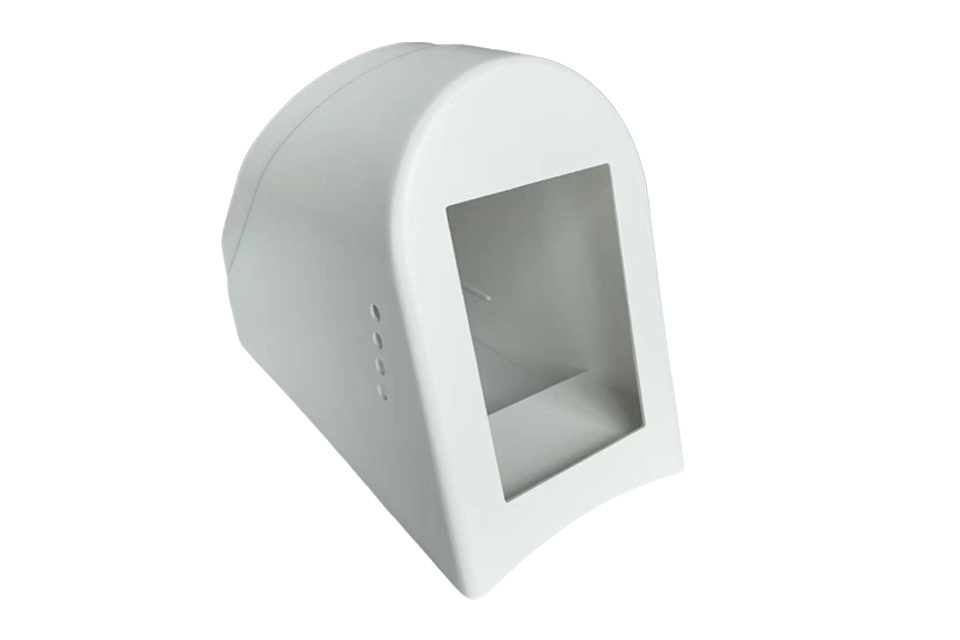
Introduction The healthcare sector is evolving rapidly, demanding more advanced, compact, and reliable equipment. For product designers and mechanical engineers, bringing a new diagnostic or therapeutic tool to market involves overcoming significant regulatory and design hurdles. One of the most critical aspects of this development cycle is medical device enclosure machining. The outer housing of a medical device does much more than just protect internal electronics; it ensures patient safety, enables rigorous sterilization, and provides an ergonomic interface for healthcare professionals.
At Hubei Zhongrongda Intelligent Technology Co., Ltd., we have witnessed firsthand the complex needs of clients ranging from innovative medical startups to established industrial equipment manufacturers. The common thread is the absolute requirement for flawless execution, from initial concept validation to final production. Whether you are developing handheld diagnostic tools or large-scale laboratory systems, choosing the right manufacturing partner is essential. This comprehensive guide will walk you through everything you need to know about designing, prototyping, and machining high-quality enclosures for the medical industry to ensure successful deployment across the USA, Europe, and global markets.
Why Medical Device Enclosure Machining is Critical
When developing Medical & Laboratory Equipment, the enclosure serves as the first line of defense against environmental factors, electromagnetic interference (EMI), and biological contaminants. The process of medical device enclosure machining requires a deep understanding of standard manufacturing practices combined with the stringent requirements dictated by global regulatory bodies such as the FDA and ISO.
- Regulatory Compliance and Traceability: In the medical field, every component must be fully traceable. Machining partners must maintain rigorous documentation and quality control systems to ensure that every batch meets the exact specifications approved during the engineering and design phase.
- Biocompatibility and Sterilization: Medical enclosures often come into contact with patients or harsh sterilization chemicals. The machining process must not introduce harmful contaminants, and the selected materials must withstand autoclaving, UV sterilization, or chemical wipe-downs without degrading over time.
- Aesthetic and Ergonomic Requirements: A well-machined enclosure instills immediate confidence. Smooth transitions, flush joints, and high-quality surface finishes are non-negotiable for premium medical devices, ensuring they are safe to handle and easy to clean.
Material Selection: The Foundation of Quality
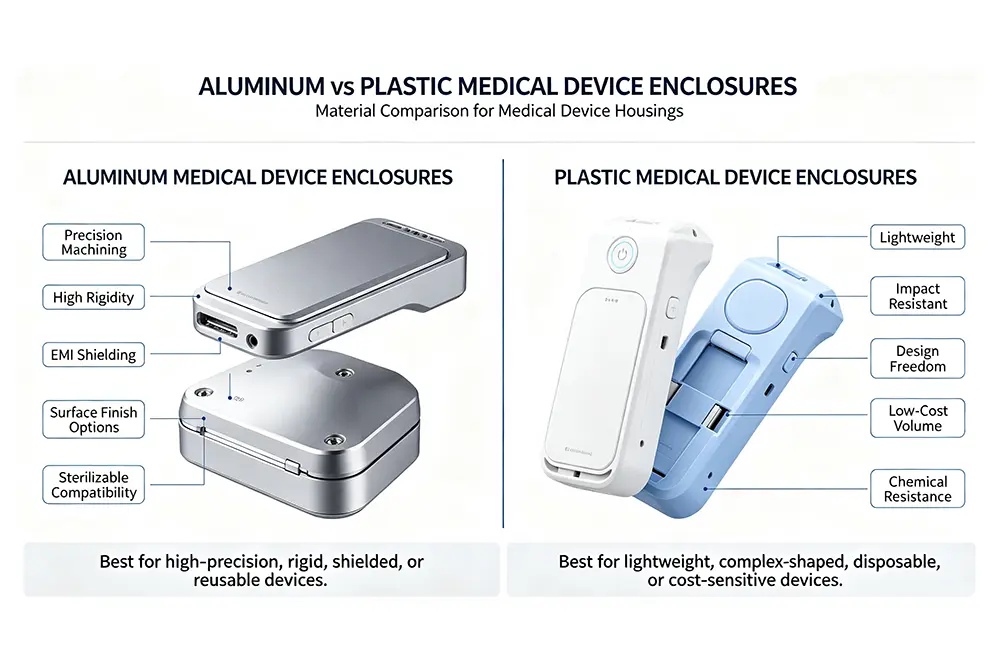
Choosing the right CNC Machining Material is arguably the most important decision a mechanical engineer will make when designing an enclosure. The material choice impacts the device’s overall weight, durability, thermal management, and production cost.
High-Performance Metals
For structural rigidity and excellent EMI shielding, metals are incredibly reliable.
- Aluminum: Highly popular for its excellent strength-to-weight ratio and incredible machinability. Anodized aluminum offers great corrosion resistance, making it ideal for medical carts, monitors, and stationary clinical equipment.
- Stainless Steel (304 or 316L): Utilized when maximum corrosion resistance and structural durability are required, particularly for surgical environments and cleanrooms.
- Titanium: While often used in internal implants, it is occasionally utilized in specialized, high-end external enclosures where absolute strength and extremely low weight are mission-critical.
Medical-Grade Plastics
When weight reduction, electrical insulation, and complex ergonomic shapes are required, plastics take the lead.
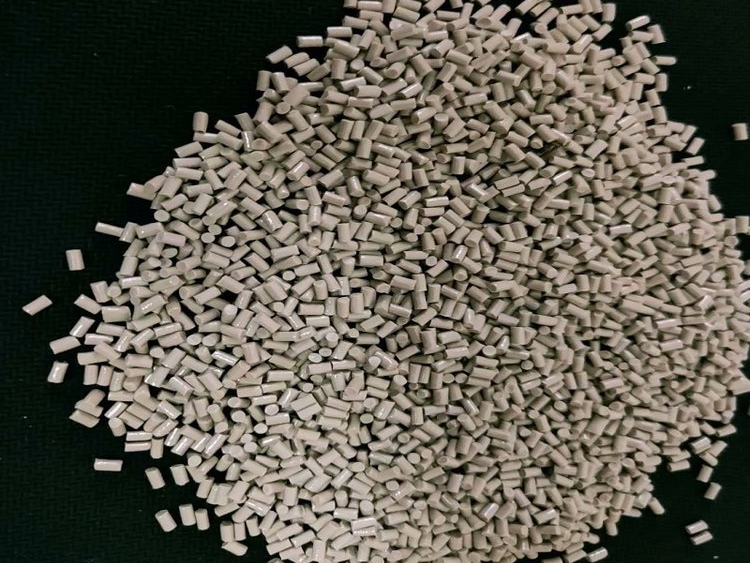
- PEEK: An ultra-high-performance engineering plastic that withstands repeated autoclaving and harsh chemicals. It is a staple in high-end medical machining.
- Polycarbonate (PC): Known for its high impact resistance and optical clarity, it is frequently used in device displays or transparent housing sections.
- ABS & Delrin (POM): These are incredibly stable and easy to machine, making them frequently used during the Rapid Prototyping phase for functional testing before moving to more expensive final production materials.
[Image 3 Placement]
- Image File Name: rapid-prototyping-medical-enclosures.jpg
- Image ALT Text: Product designer inspecting a rapid prototype of a medical diagnostic device housing.
- Image Title: Rapid Prototyping for Medical Devices
- Image Caption: Rapid prototyping allows product designers to test ergonomics, fitment, and functionality before committing to full-scale manufacturing.
Navigating the Manufacturing Processes
Transforming a digital CAD file into a physical enclosure involves a strategic choice of manufacturing technologies. At Hubei Zhongrongda Intelligent Technology Co., Ltd., we leverage a variety of advanced techniques to suit different project stages.
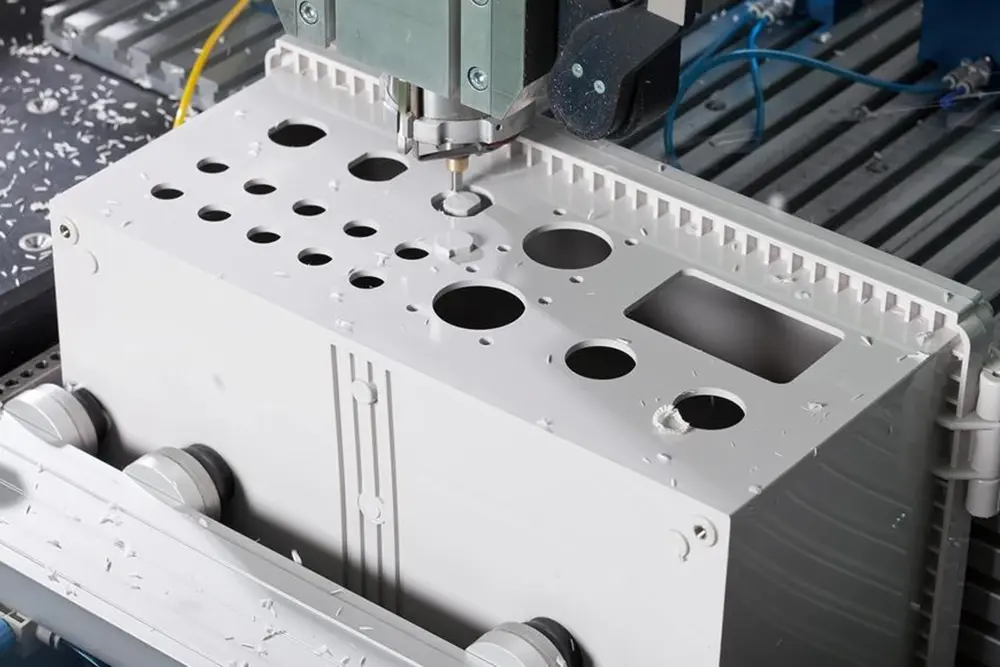
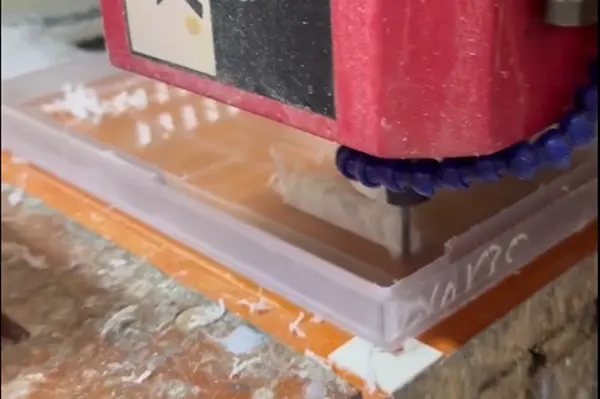
- CNC Machining: This is the gold standard for high-precision, low-to-medium volume production. CNC Machining offers unparalleled accuracy, capable of hitting tight tolerances required for interlocking enclosure halves, push-buttons, and display mounts. Because of its premium output, it is heavily utilized not only for medical devices but also for Beauty Device Enclosures where flawless consumer aesthetics are vital.
- Rapid Prototyping: Time-to-market is a critical factor for startups and established brands alike. We use rapid prototyping techniques (including rapid CNC milling and 3D printing) to provide designers with physical, functional models in a matter of days. This allows for iterative testing of ergonomics and internal component fitment.
- Small Batch Manufacturing: Bridging the gap between prototyping and mass production, Small Batch Manufacturing allows companies to produce 50 to 500 units for clinical trials, beta testing, or localized market launches without the heavy upfront tooling costs and lead times associated with plastic injection molding.
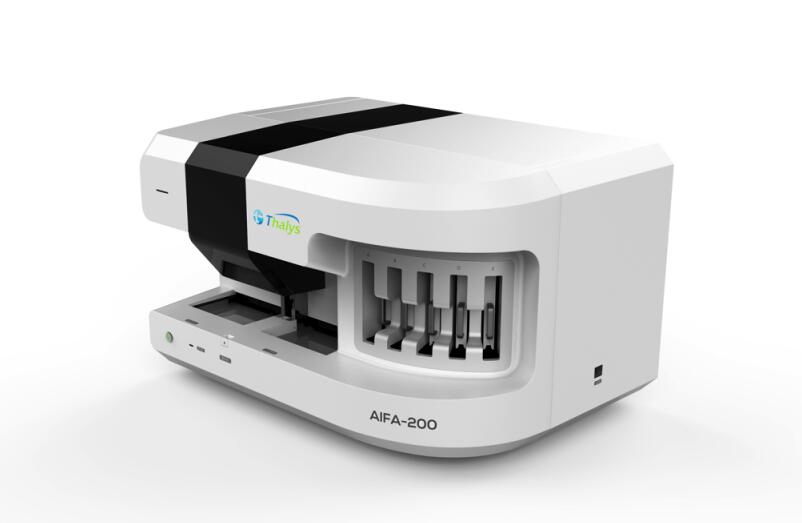
To optimize your enclosure for manufacturability (DFM) and keep production costs under control, product designers and mechanical engineers should keep several best practices in mind:
Expert Design Considerations for Engineers (DFM)
- Maintain Uniform Wall Thickness: While CNC machining handles varying thicknesses better than injection molding, maintaining a relatively uniform wall thickness prevents material warping and ensures long-term structural integrity.
- Avoid Deep, Narrow Pockets: Deep pockets require specialized, long-reach end mills which are prone to vibration (chatter) and slow down machining time. As a general rule of thumb: try to keep pocket depth to less than 4 times the tool’s diameter.
- Incorporate Radii on Internal Corners: Perfectly sharp internal corners are impossible to machine with a standard rotating round end mill. Designing your enclosure with internal radii that match standard tool sizes significantly speeds up the machining process and lowers your costs.
- Plan for Sealing and IP Ratings: Medical devices often require IP65 or IP67 ratings to protect sensitive internal electronics against fluid ingress. Design robust O-ring grooves and gasket channels with precise tolerances to ensure a reliable, watertight seal.
Quality Control and Precision Validation
In the medical sector, “good enough” is never acceptable. Whether we are producing a single prototype Medical Device Enclosure or hundreds of units for a market rollout, rigorous quality assurance is mandatory.
Quality control begins at the material intake stage, ensuring all raw stock comes with appropriate material certifications and tracing. During the machining process, in-process inspections guarantee that tight tolerances are continuously maintained. Finally, finished enclosures undergo comprehensive validation using advanced Coordinate Measuring Machines (CMM) to verify dimensional accuracy down to the micron.
Beyond the healthcare sector, this uncompromising level of precision is exactly why clients also trust us with mission-critical components for Automation & Robotics, Aerospace Components, and Defense & Military applications.
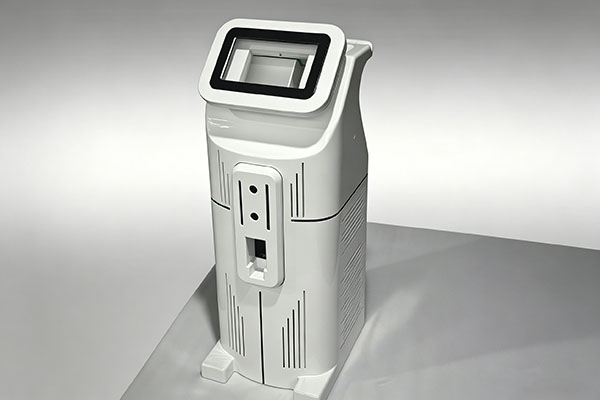
Surface Finishing for Medical & Beauty Devices
The surface finish of an enclosure serves two distinct purposes: functional protection and premium aesthetic appeal.
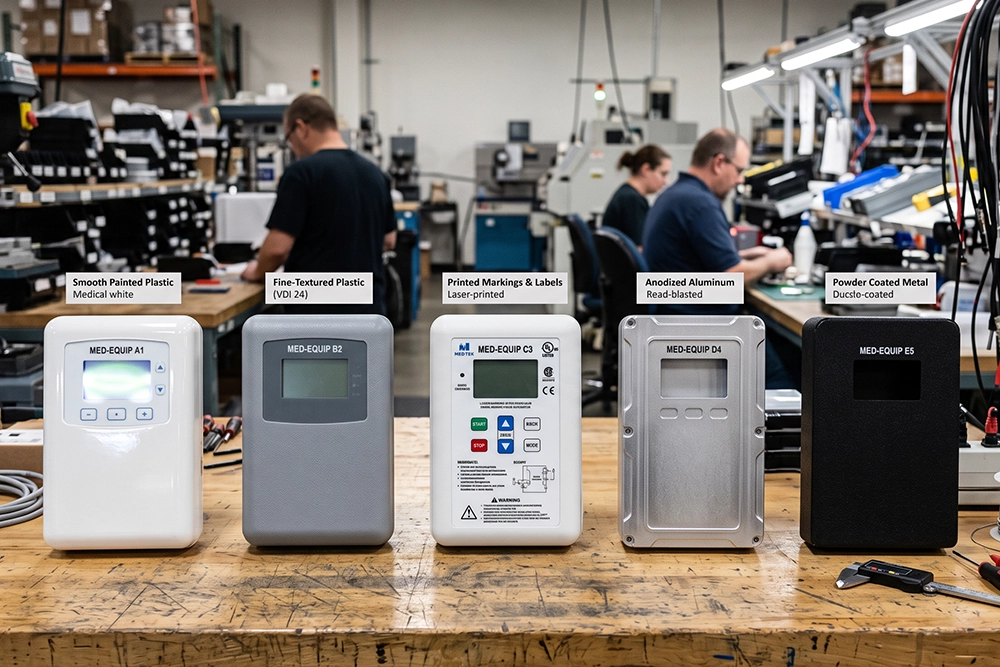
- Bead Blasting and Anodizing: Commonly used for aluminum enclosures, this combination provides a durable, matte, scratch-resistant surface that is easy to wipe down, clean, and visually appealing. It is particularly popular for both clinical medical equipment and high-end consumer beauty devices.
- Electropolishing: Used primarily for stainless steel parts to create a microscopically smooth surface. This finishing process removes surface imperfections and prevents bacteria from adhering to the metal, making it an essential finish for surgical tools and cleanroom equipment.
- Custom Painting and Powder Coating: For specific brand colors or added chemical resistance, specialized medical-grade paints and coatings can be applied to both metal and plastic enclosures to ensure they match your corporate identity while remaining highly functional.
Partner with Hubei Zhongrongda Intelligent Technology Co., Ltd.
As a purchasing manager or lead engineer, your supply chain decisions dictate the success and profitability of your product. Hubei Zhongrongda Intelligent Technology Co., Ltd. is committed to being more than just a vendor; our goal is to be your strategic manufacturing partner.
Our engineering expertise spans a wide range of industries and specific Application types. From the initial concept discussions to the final delivery of perfectly machined parts to your facility in the USA, Canada, Germany, UK, Australia, or across Europe, we provide dedicated, end-to-end support.
We understand that every hardware project is unique. Our dedicated team works closely with you to optimize designs, select the perfect biocompatible materials, and execute production with unmatched precision. We take immense pride in our ability to deliver complex projects on time and within budget, helping you navigate the challenging journey from a digital blueprint to a tangible, life-saving medical device.
Get Started on Your Next Project Today Ready to bring your medical or beauty device to life? Don’t let manufacturing bottlenecks or poor quality control delay your product launch. Discover more about our state-of-the-art capabilities and company history by visiting our About Us page.
If you have 3D CAD files ready for review or simply need expert advice on your next enclosure project, reach out to our engineering team today. Visit our Contact page to request a comprehensive quote and a free DFM (Design for Manufacturability) analysis. Let us help you build the future of healthcare technology.
What specific challenges have you encountered with maintaining tight tolerances or selecting the right surface finishes in your past enclosure designs?