Introduction
In our daily engineering work at Hubei Zhongrongda Intelligent Technology Co., Ltd., one of the most frequent questions from product designers and procurement teams is about medical device enclosure material selection. Should they choose CNC-machined metal housings or engineering plastics for their medical or beauty equipment products?
In the first 100 words of any project discussion, we often see the same concerns: durability, regulatory compliance, cost pressure, thermal performance, and time-to-market. For medical and beauty device manufacturers in the USA, Europe, and Australia, this decision directly impacts product certification success, user experience, and production scalability.
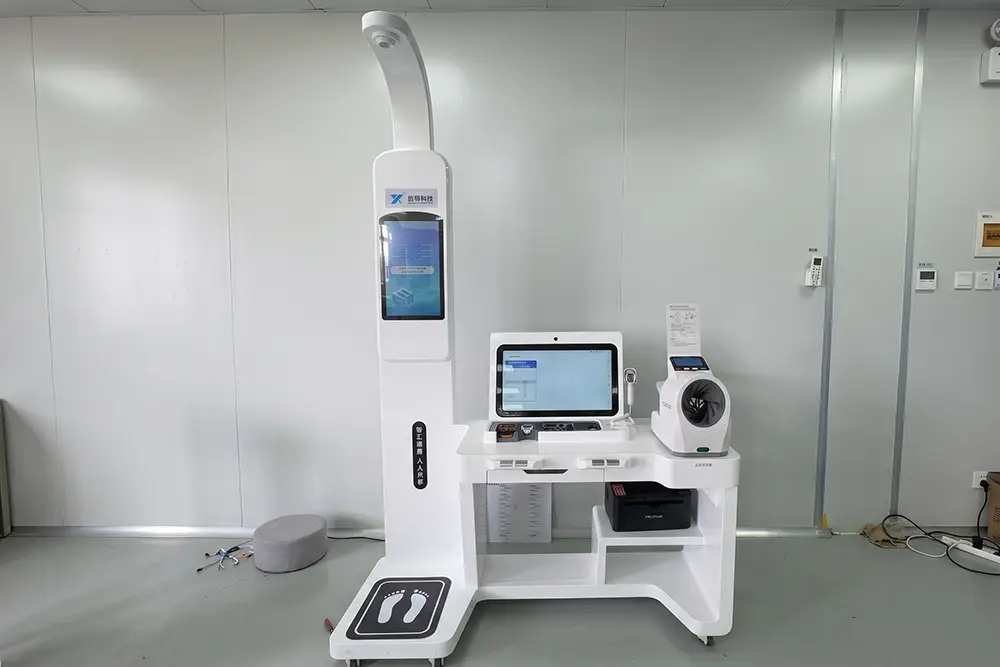
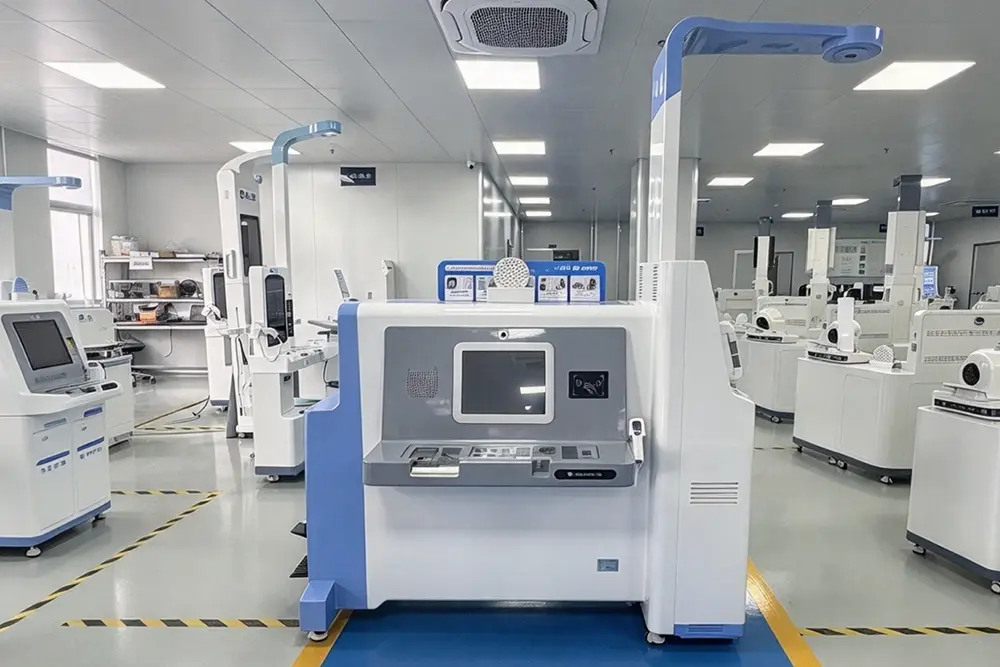
At Zhongrongda, we have supported hundreds of enclosure development projects across Medical Device Enclosure and Beauty Device Enclosures, ranging from diagnostic analyzers to aesthetic treatment systems. This article is based on real engineering cases from our production floor, not theoretical assumptions.
1. Why Material Selection Defines Product Success
In our engineering experience, enclosure material is not just a “design choice”—it is a system-level decision.
We have seen cases where a wrong material selection caused:
- overheating in diagnostic devices
- structural deformation during sterilization
- failure in drop tests for portable beauty devices
- unexpected cost increase during low-volume production
For medical and aesthetic equipment, enclosure materials must balance four critical factors:
- Mechanical strength
- Thermal stability
- Biocompatibility & compliance
- Manufacturing scalability
This is where the debate between CNC metals and engineering plastics becomes critical.
2. CNC Metal Enclosures: Strength and Precision
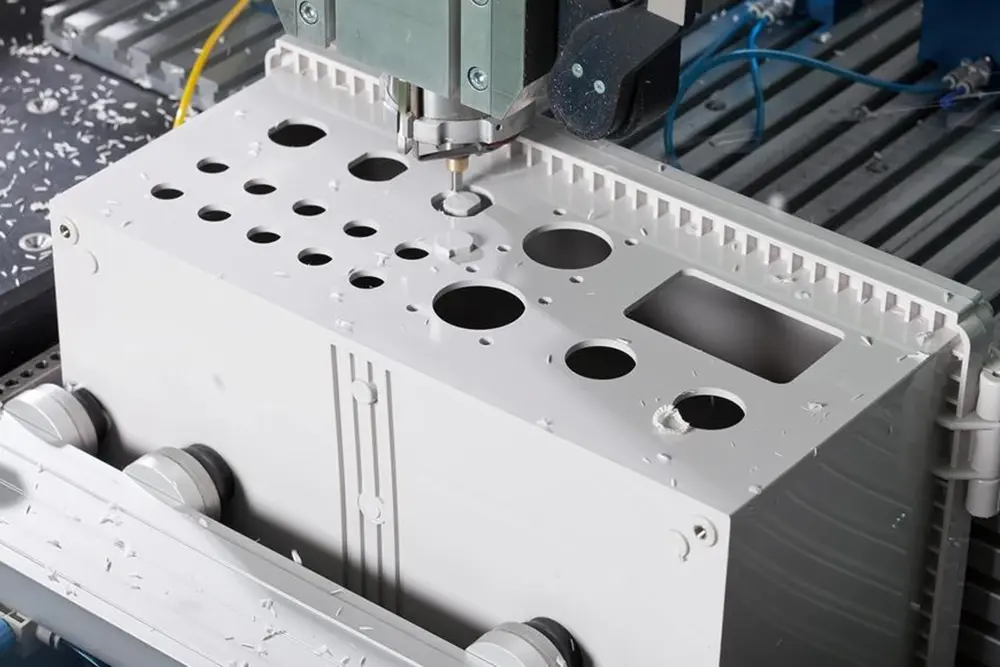
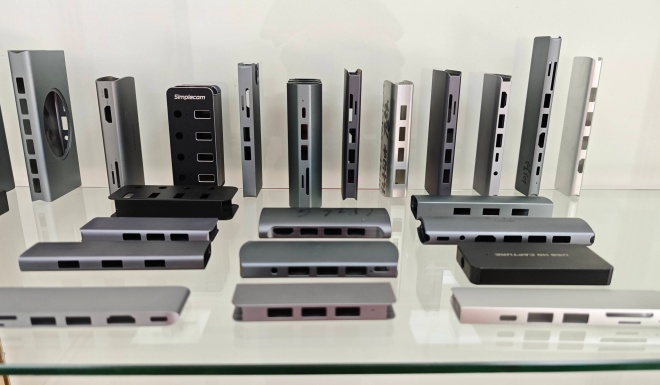
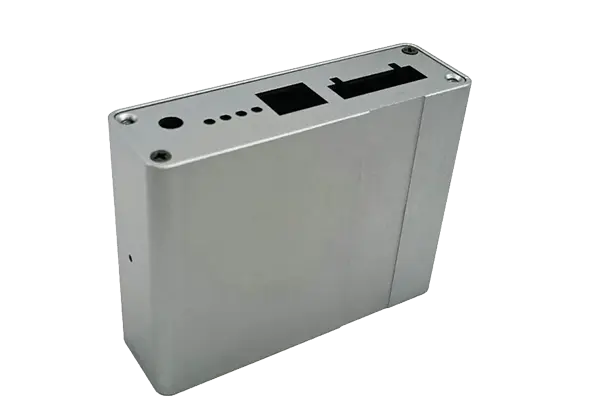
When clients request CNC metal housings, our engineering team usually evaluates aluminum alloys such as 6061 or 6063-T5. In some industrial-grade medical systems, stainless steel is also used.
Advantages of CNC Metal Enclosures
At Zhongrongda, we often recommend CNC metal solutions for:
- High structural rigidity requirements
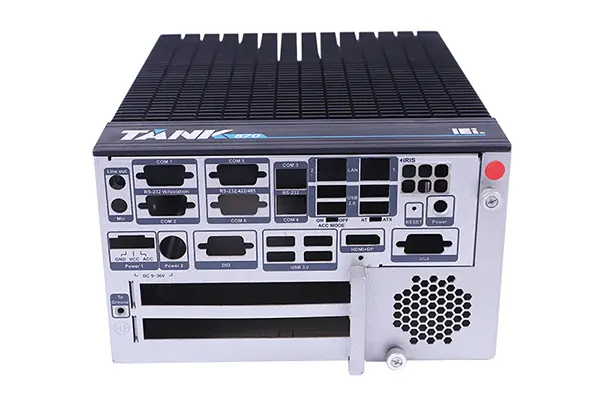
- Heat-intensive medical systems
- EMI shielding needs (diagnostic electronics)
- Premium industrial aesthetics
Key benefits include:
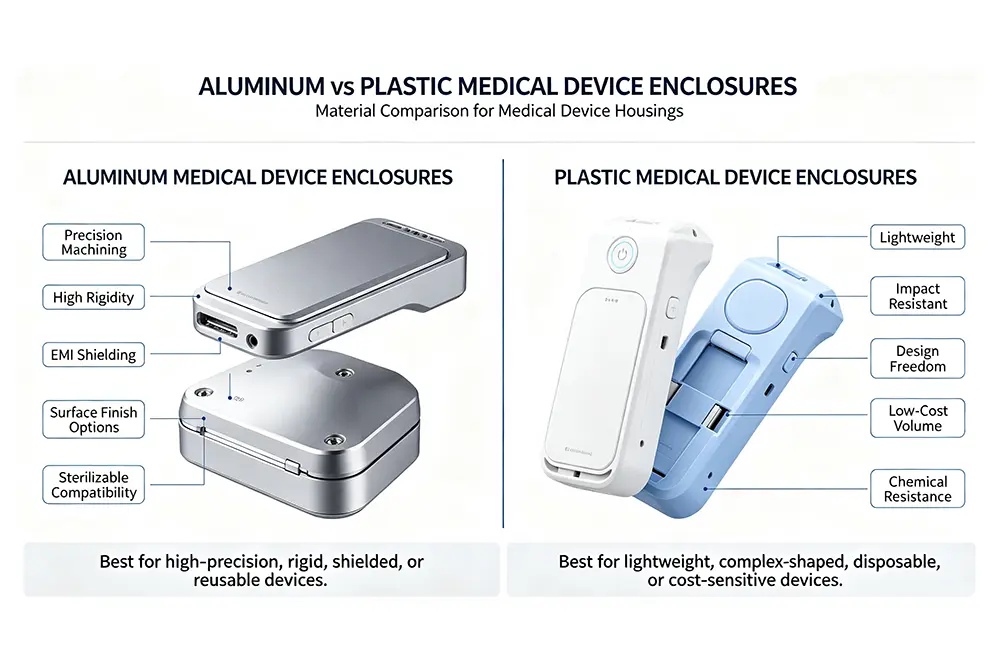
- Excellent mechanical strength
- High temperature resistance
- Superior EMI shielding
- High precision machining tolerance (±0.01mm capability in our facility)
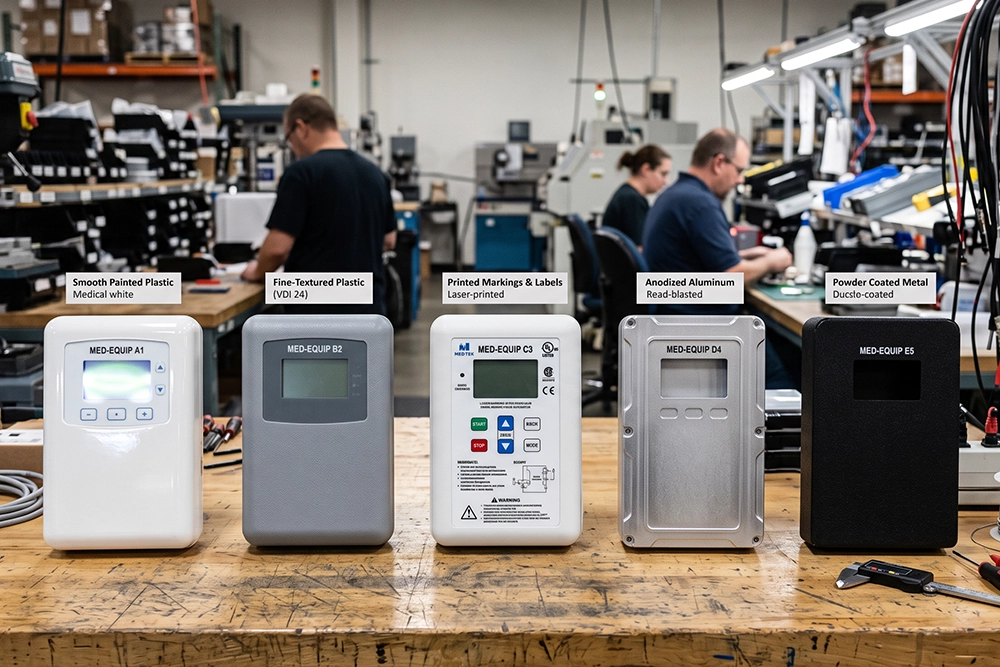
- Premium surface finishing options (sandblasting, anodizing, brushing)
In projects under CNC Machining, we often integrate multi-axis machining to ensure complex geometries for medical-grade housings.
Limitations We Observe in Real Projects
However, CNC metal enclosures also present challenges:
- Higher unit cost in small batches
- Longer machining time compared to plastics
- Weight limitations for handheld devices
- Design iteration costs are higher
In one diagnostic analyzer project for a European client, switching from CNC aluminum to engineering plastic reduced total prototype iteration cost by 38%.
3. Engineering Plastics: Flexibility and Scalability
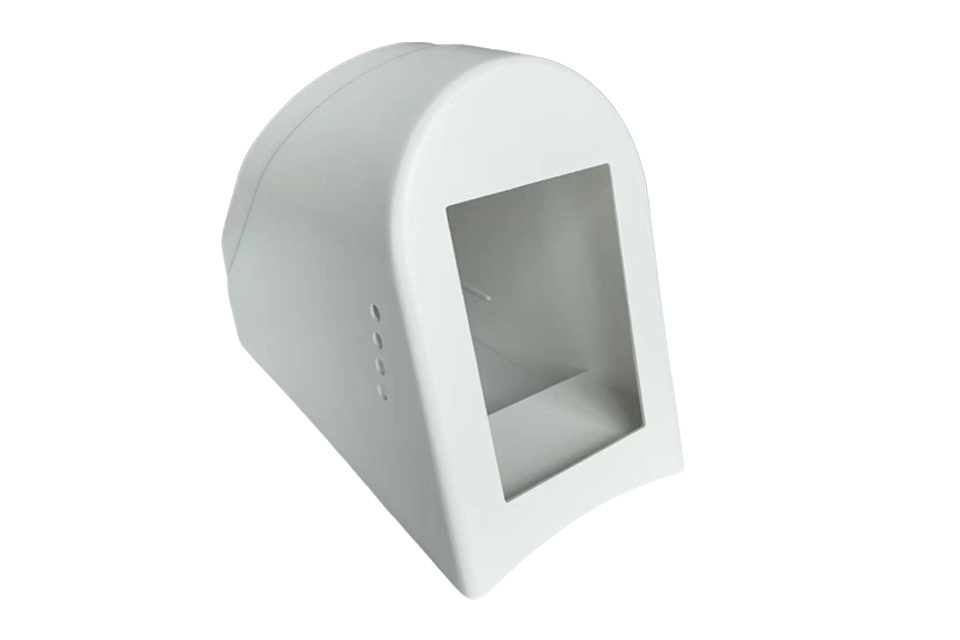
Engineering plastics have become the dominant choice in modern Medical Device Enclosure and Beauty Device Enclosures development.
Common materials we use include ABS, PC, PC+ABS, PMMA, and PA.
Advantages of Engineering Plastics
From our production experience at Zhongrongda:
- Lightweight structure improves portability
- Faster rapid prototyping cycles
- Lower tooling cost for small batch production
- Excellent design freedom for complex shapes
- Better insulation properties for electronic devices
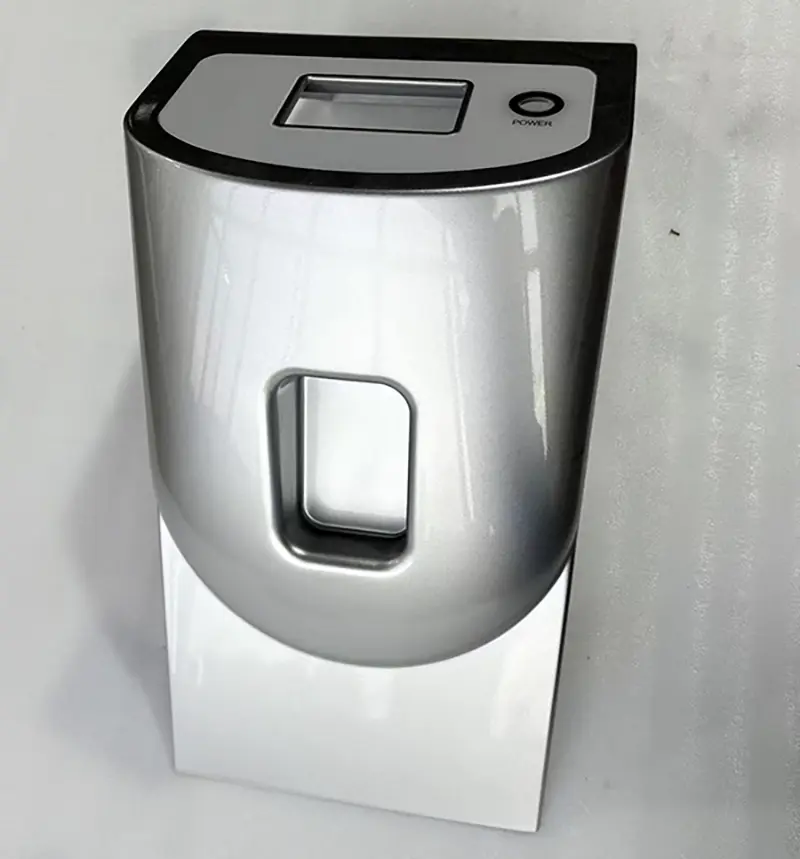
This is especially important in Rapid Prototyping, where iteration speed directly impacts time-to-market.
Medical and Beauty Industry Benefits
For medical and aesthetic equipment, engineering plastics offer:
- Safer handling temperature for users
- Smooth surface finishing for hygiene requirements
- Compatibility with injection molding for scale production
- Better integration with LED lighting systems in beauty devices
Limitations
However, plastics are not always ideal:
- Lower mechanical strength compared to metals
- Heat deformation risks in high-temperature environments
- Requires careful structural reinforcement design
Our engineering team often solves this using rib structures and internal metal inserts.
4. CNC vs Engineering Plastics: Engineering Comparison
Based on our project database, we summarize the comparison:
Mechanical Strength
- CNC Metal: Excellent
- Engineering Plastic: Medium to High (design-dependent)
Weight
- CNC Metal: Heavy
- Engineering Plastic: Lightweight
Cost (Low Volume Production)
- CNC Metal: Higher
- Engineering Plastic: Lower
Prototype Speed
- CNC Metal: Moderate
- Engineering Plastic: Fast
Design Flexibility
- CNC Metal: Limited
- Engineering Plastic: High
Thermal Management
- CNC Metal: Strong heat dissipation
- Engineering Plastic: Requires engineering design optimization
5. Real Engineering Case Study: Medical Diagnostic Device
At Hubei Zhongrongda Intelligent Technology Co., Ltd., we supported a US-based diagnostic device manufacturer facing overheating issues in their prototype.
Initial Design
- CNC aluminum enclosure
- High weight and cost
- Slow iteration cycle
Engineering Problem
The device required:
- compact handheld structure
- internal PCB thermal balance
- fast market testing iterations
Our Solution
Our engineering team proposed switching to:
- PC+ABS engineering plastic housing
- Internal aluminum heat sink insert
- Optimized ventilation structure
Result
- 42% weight reduction
- 35% cost reduction in prototyping
- Faster FDA pre-compliance testing cycle
This project is a typical example of how medical device enclosure material selection impacts product success.
6. Beauty Device Industry Requirements
In Beauty Device Enclosures, material selection is even more sensitive due to:
- User skin contact safety
- Aesthetic appearance requirements
- Heat from LED or RF systems
- Product portability expectations
In most beauty device projects, we recommend:
- PC for transparent optical parts
- ABS/PC blends for structural housings
- CNC aluminum only for internal heat-critical modules
Our engineering team frequently collaborates with clients during DFM (Design for Manufacturing) optimization before final material confirmation.
7. Manufacturing Strategy: Prototype to Production
At Zhongrongda, material selection is always aligned with production stages:
Stage 1: Rapid Prototyping
We prioritize:
- engineering plastics
- CNC quick-turn parts
- SLA/3D printed verification models
Supported by Rapid Prototyping
Stage 2: Functional Testing
We evaluate:
- thermal stability
- drop test performance
- assembly tolerance
Stage 3: Small Batch Manufacturing
We optimize:
- cost per unit
- tooling feasibility
- assembly efficiency
Supported by Small Batch Manufacturing
Stage 4: Mass Production Transition
We finalize:
- injection molding tools
- final material certification
- production stability plan
8. How Engineers Should Decide Material Selection
From our engineering perspective, we recommend asking five questions:
- Is thermal dissipation critical?
- Is weight a key product factor?
- What is the production volume target?
- Does the product require EMI shielding?
- What is the target market compliance requirement?
There is no universal answer in medical device enclosure material selection—only optimized engineering trade-offs.
9. Our Engineering Recommendation Framework
At Zhongrongda, we apply a structured decision model:
- If structural strength + heat > cost → CNC metal
- If speed + cost + iteration > rigidity → engineering plastic
- If hybrid requirement → metal + plastic hybrid structure
This hybrid strategy is now widely used in modern medical and beauty equipment industries.
10. Conclusion
The decision between CNC metal and engineering plastics is not simply a material choice—it is a product strategy decision.
Based on our engineering experience at Hubei Zhongrongda Intelligent Technology Co., Ltd., we strongly recommend early-stage material evaluation during product design, not after prototyping failures occur.
Whether you are developing diagnostic equipment, beauty systems, or industrial medical devices, correct medical device enclosure material selection will directly determine product performance, certification success, and market competitiveness.
If you are currently developing a new enclosure project, our engineering team can support you from DFM review to rapid prototyping and low-volume production.
Contact us via Hubei Zhongrongda Intelligent Technology Co., Ltd. or through our Contact page to start your project evaluation.