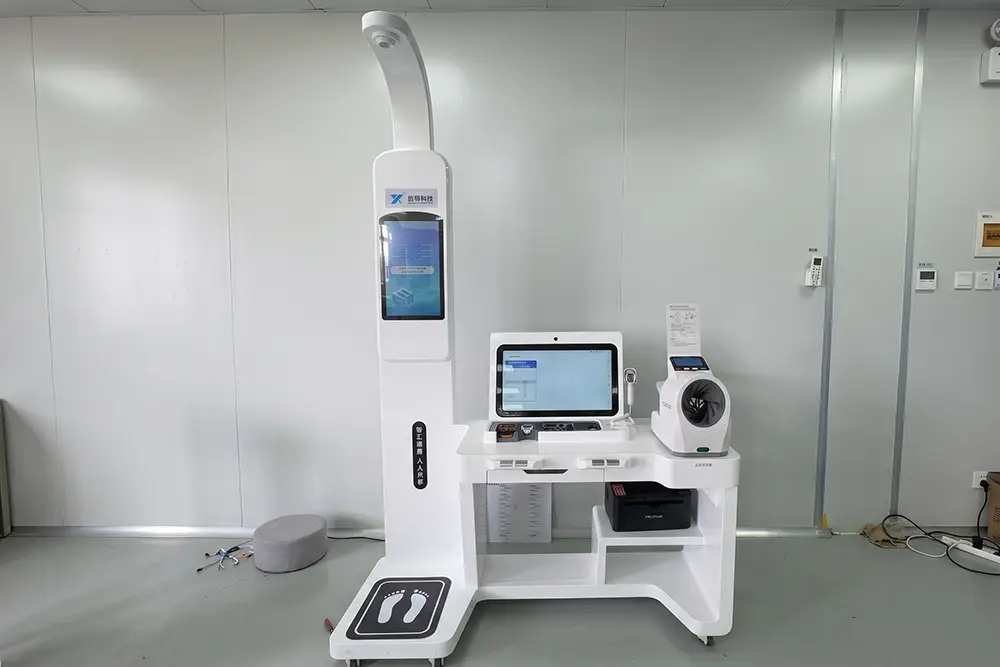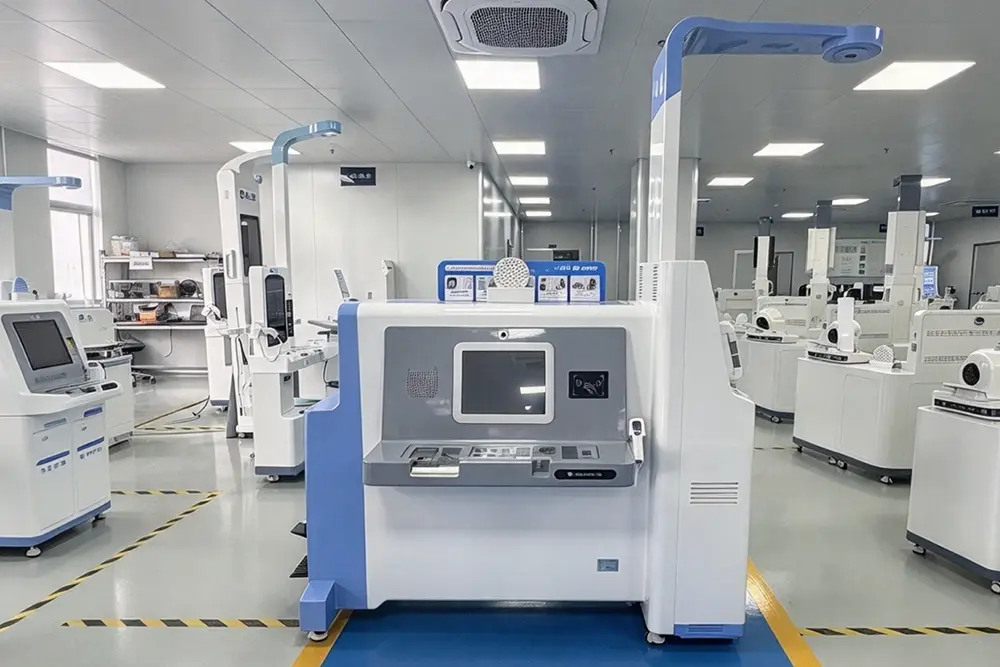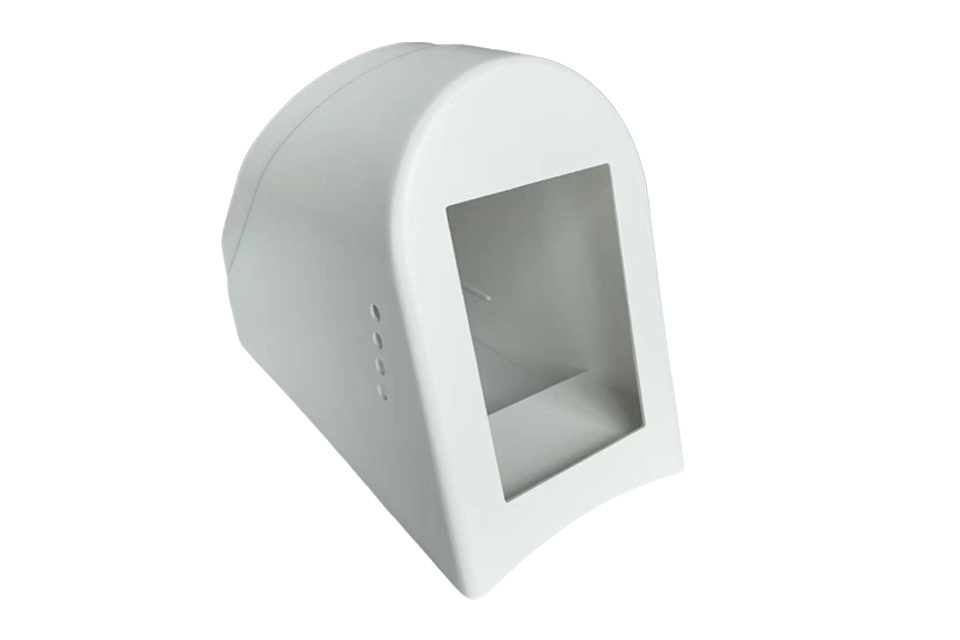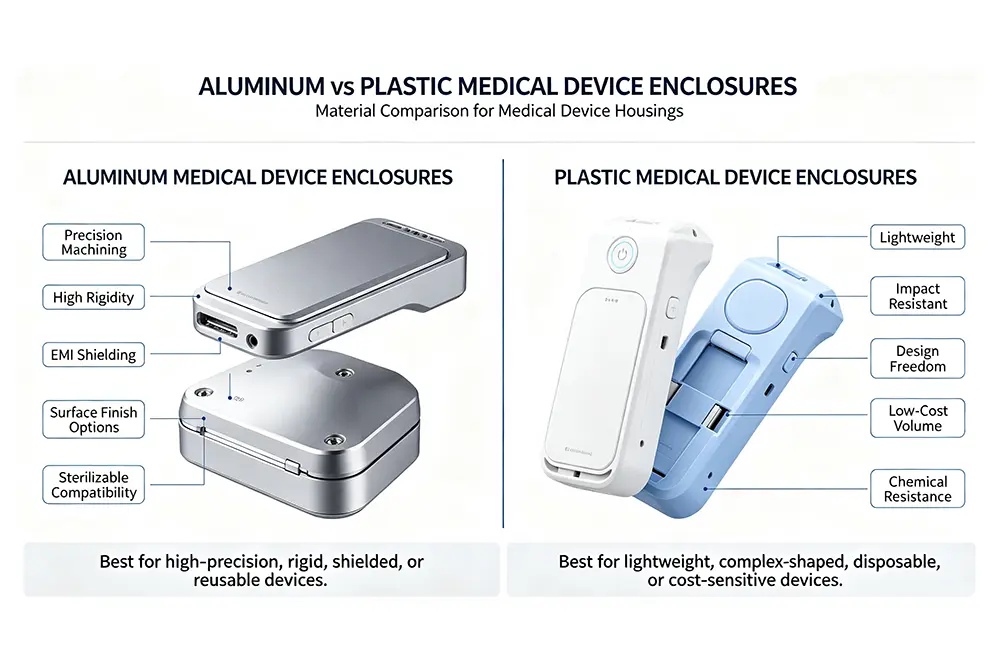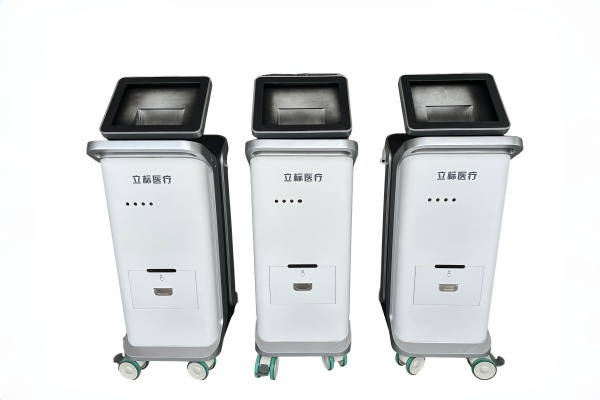
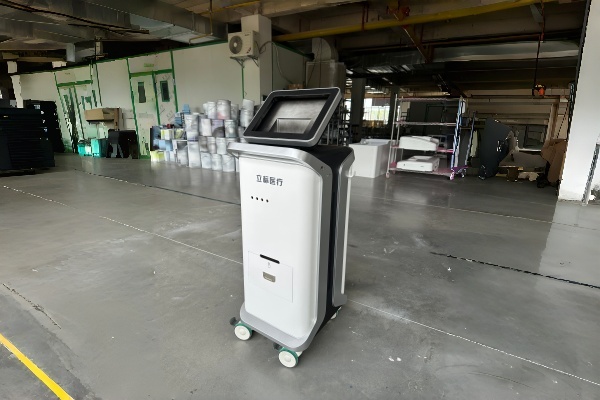
Engineering a reliable rehabilitation equipment ABS cart enclosure requires precise material selection and flawless execution of plastic fabrication techniques. At Zhongrongda, our team approaches this vertical physiotherapy cart housing entirely through the lens of advanced plastic engineering.
We utilize medical-grade ABS engineering plastic sheets as the primary structural material. By focusing our expertise strictly on plastic shells and precision machining, we deliver custom housings that meet the exacting standards of clinical environments.
Please note: To finalize the engineering blueprint for your specific terminal, we require your exact physical dimensions (Length x Width x Height), as this data is currently missing from the initial specification.
Core CNC Plastic Processing for the Cart Housing
Precision 5-Axis and 3-Axis CNC Milling
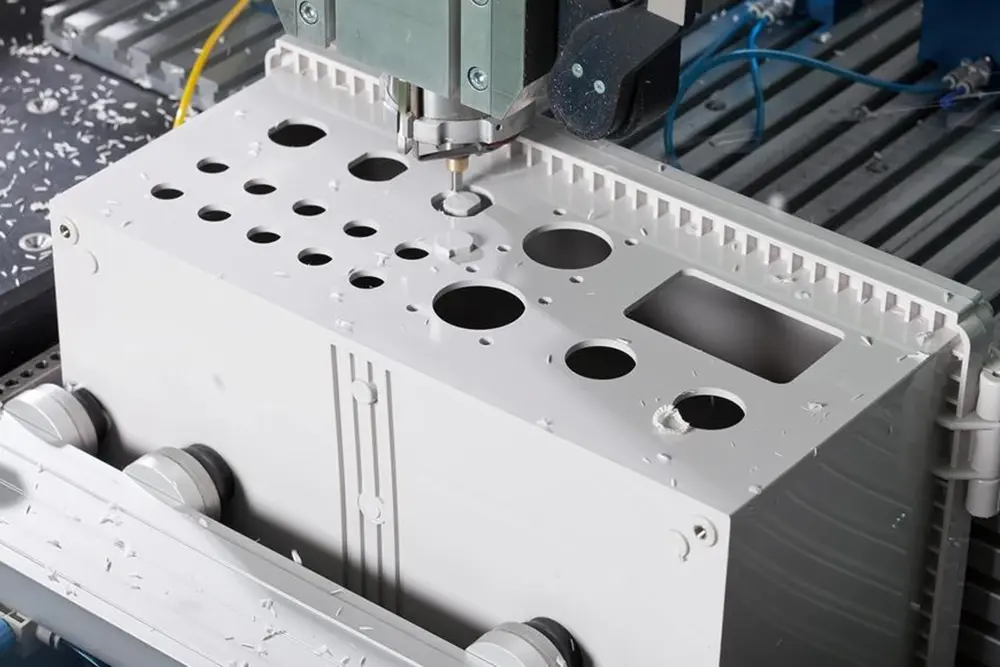
The foundation of our housing fabrication relies on exact material removal from solid polymer sheets. We deploy advanced CNC Machining to process the thick medical-grade ABS boards.
- Our technicians program 5-axis and 3-axis CNC centers to hollow out the solid ABS blocks efficiently.
- We precisely mill the exterior continuous arcs, complex heat dissipation holes, and internal drawer cavities.
- The screen mounting positions are cut with ultra-tight tolerances to ensure a perfect fit later in assembly.
This subtractive manufacturing approach guarantees exceptional structural integrity since the main body retains the continuous grain and strength of the original extruded plastic sheet.
Split Disassembly and Rapid Prototyping Strategy
To optimize the manufacturing process for complex geometries, we segment the design into manageable, high-precision components. We rely heavily on advanced Rapid Prototyping methodologies to manage this segmentation.
- Our engineering team disassembles the digital CAD model into the main body shell, drawer panels, top frame, and base.
- We machine each of these elements as an individual part to allow for easier access during internal detailing.
- This segmented approach significantly reduces internal machining stress and prevents wall thickness collapse.
By dividing the complex enclosure into individual machined plates, we can address specific functional requirements—such as the lockable drawer mechanism—without compromising the overall external aesthetics.
Overcoming Assembly and Deformation Challenges
Controlling Large-Area Adhesive Deformation
Assembling large medical grade ABS plastic shells presents a significant thermal and chemical challenge. The application of ABS-specific adhesive solvents melts the mating surfaces to create a fused bond.
- This chemical curing process naturally generates significant internal stress within the plastic walls.
- Without proper management, this stress causes the large box structure to warp or the vertical facades to tilt.
- Our team mitigates this by utilizing custom-engineered aluminum alignment jigs.
We lock the separated ABS panels into these rigid fixtures during the entire chemical curing cycle. This ensures the vertical physiotherapy cart housing remains perfectly orthogonal, preventing any structural twisting. If your current supplier struggles with plastic housing deformation, our fixture-based bonding process provides an immediate solution.
Ensuring Flush Top Frame and Screen Assembly
The junction between the top interface screen and the main white enclosure is a critical cosmetic zone. Medical personnel interact with this area continuously, so any physical steps or misalignments are unacceptable.
- We strongly recommend utilizing ABS for the screen bezel to ensure material consistency.
- Our technicians perform meticulous manual mold matching and fine-tuning at this specific interface.
- We shave down the mating edges until the top frame and the main body shell are perfectly flush.
This intensive manual fitting process eliminates any tactile ridges or visual gaps. The result is a smooth, monolithic appearance that speaks to high-end medical equipment manufacturing. We apply these exact flush-fitting techniques to our specialized Medical Device Enclosure projects daily.
Achieving Precise Drawer Clearance
The integration of moving parts within a custom plastic housing requires exacting dimensional control. The built-in storage drawer must operate smoothly without feeling loose or getting jammed in the tracks.
- During the manual trimming phase, we carefully file and adjust the mating rails.
- Our team strictly maintains a uniform gap tolerance of 0.1mm to 0.2mm around the entire drawer perimeter.
- We repeatedly test the push-pull action prior to final surface treatment.
This dedicated clearance tuning ensures the drawer glides effortlessly, providing a premium tactile experience for the medical staff using the equipment.
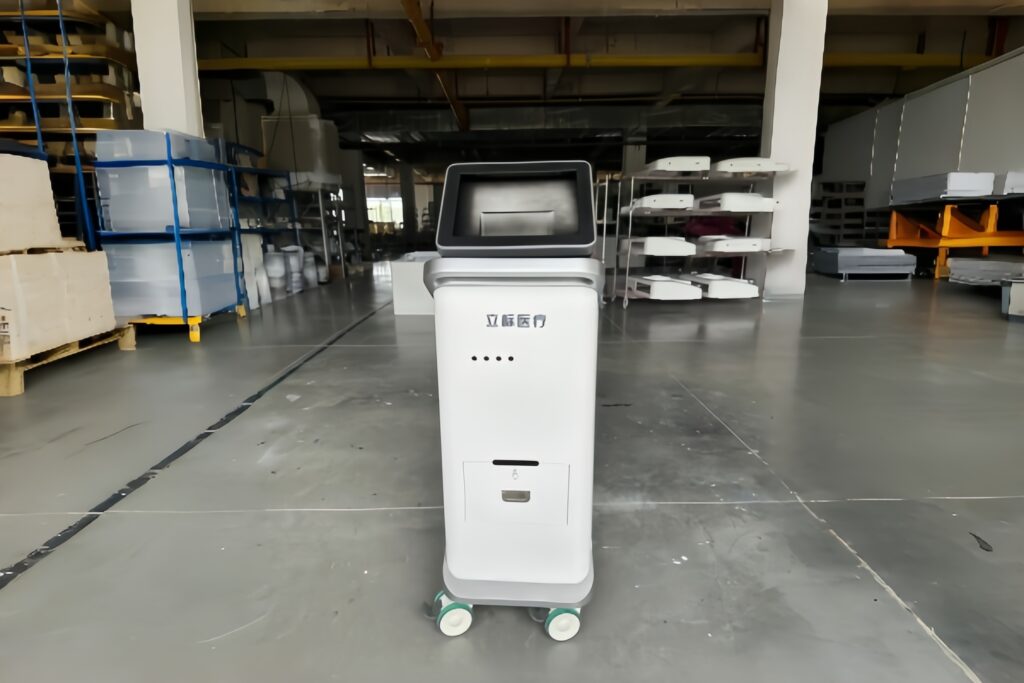
Medical-Grade Surface Treatment and Finishing
Hand Grinding and Uniform Arc Shaping
The vertical long body of the rehabilitation equipment features large, continuous arcs on both sides. CNC machining leaves microscopic tool marks that must be removed before painting.
- Our surface technicians perform coarse-to-fine manual grinding across all curved surfaces.
- We utilize specialized contoured sanding blocks to maintain the exact radius of the large arcs.
- This eliminates all tool patterns and glue marks, resulting in a perfectly smooth, continuous curvature.
If the arcs are not sanded evenly, light reflections on the final painted surface will appear wavy and distorted. Our manual leveling process guarantees a visually flawless exterior. We hold our surface preparation to the same standard as our premium Beauty Device Enclosures, ensuring zero cosmetic defects.
Multi-Layer Alcohol-Resistant Coating
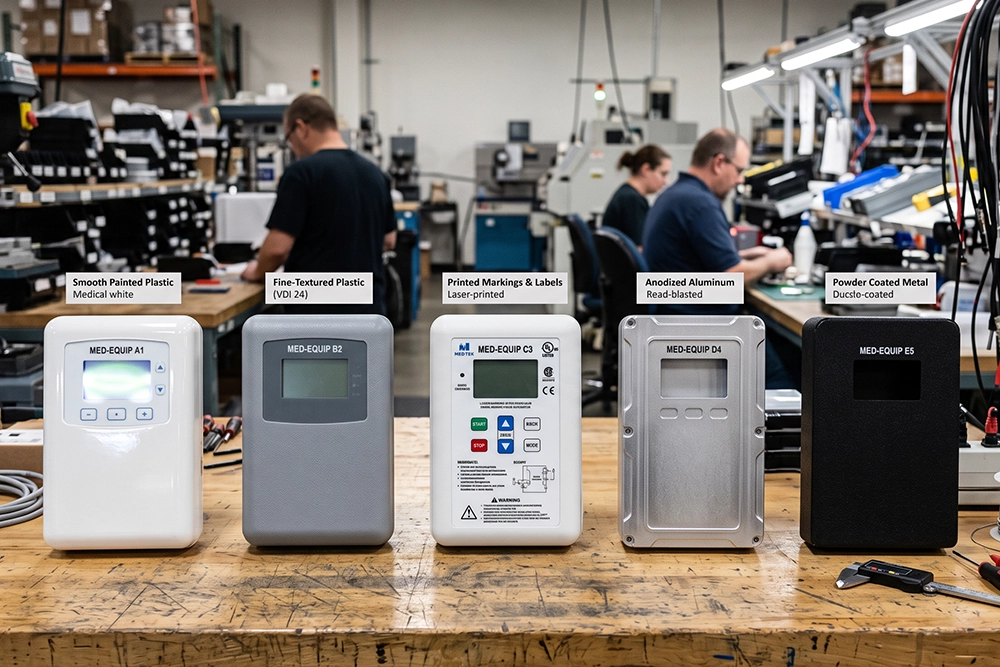
To meet clinical hygiene standards, the exterior finish must withstand aggressive cleaning protocols. We apply a highly specialized finishing system to the prepared ABS substrate. To understand why this substrate is ideal for medical applications, review this guide on ABS plastic properties and applications.
- We spray the main shell with a medical-grade PU matte white paint in a dust-free environment.
- The top and bottom accent borders receive a distinct silver-gray plastic paint.
- We build the finish through multiple leveling layers to completely hide any underlying material textures.
This specific PU coating system is formulated to resist chemical degradation. It allows hospital staff to wipe down the machine repeatedly with medical disinfectants and high-concentration alcohol without causing the paint to fade, peel, or dissolve.
Final Integration and Post-Processing
After the paint has fully cured, we move the components to the final assembly and detailing station.
- We apply the client’s corporate LOGO using high-durability silk-screen printing directly onto the cured PU paint.
- Our technicians pre-assemble the drawer locking mechanisms and mount the medical-grade casters.
- We conduct a final comprehensive mold debugging to ensure the entire unit rolls smoothly and all components are secure.
The final product is a complete, ready-to-deploy medical cart prototype that perfectly balances structural strength with premium clinical aesthetics.
Frequently Asked Questions (FAQ)
- What is the core material for the rehabilitation equipment ABS cart enclosure?
We exclusively utilize medical-grade ABS engineering plastic boards for the primary structure. This ensures the housing is lightweight, impact-resistant, and suitable for precision CNC milling. - How do you prevent warping in large medical grade ABS plastic shells?
When bonding large ABS panels, the chemical solvent creates internal stress. Our team locks the components into custom-engineered rigid fixtures during the entire curing process to prevent any tilting or deformation. - Why use CNC plastic processing services instead of molding for this cart?
For custom and low-volume vertical physiotherapy cart housing, CNC hollowing from solid ABS blocks provides superior structural integrity and faster turnaround times compared to tooling a full injection mold. - How accurate is the drawer clearance on these carts?
Our technicians manually fine-tune the drawer assembly rails. We maintain a strict uniform gap of 0.1mm to 0.2mm to ensure the drawer pushes and pulls smoothly without jamming. - Can the painted surface withstand hospital cleaning protocols?
Yes, we apply a specialized medical-grade PU matte paint. This multi-layer finish is highly resistant to chemical degradation and will not peel or fade when wiped with standard clinical disinfectants or alcohol. - How do you ensure the large curved sides are perfectly smooth?
After CNC machining, our technicians perform extensive coarse-to-fine manual sanding. We use specialized contoured blocks to maintain the arc uniformity and eliminate all tool marks before painting. - What is rapid prototyping medical parts integration?
We disassemble complex CAD models into simpler, flat components (like side panels and top frames). We machine them individually and then precisely bond them together, which speeds up fabrication and improves interior detail. - How do you achieve a flush fit between the screen bezel and the shell?
We utilize a meticulous manual mold matching process. Our technicians shave and fit the mating surfaces of the top frame and main body until they are completely flush, eliminating any tactile step or gap. - Are the casters and locks included in your manufacturing process?
Yes, as part of our final post-processing, we handle the pre-assembly of necessary hardware. This includes mounting the medical casters, installing drawer locks, and applying silk-screened logos. - Why do you recommend ABS over aluminum for the screen bezel?
Focusing on plastic shells ensures uniform thermal expansion and consistent paint adhesion across the entire unit. An ABS bezel integrates more seamlessly with the main ABS body during our flush-fitting process.
Bottom CTA
Are you experiencing deformation or poor surface finishes on your medical carts? Our engineering team specializes in tight-tolerance CNC plastic processing and seamless assembly for complex clinical equipment.
Please remember to include your specific length, width, and height requirements when submitting your design files so we can provide an accurate DFM analysis.
Contact Zhongrongda today to optimize your next enclosure project:
- Email: info@zrdmfg.com
- Phone: +86 13972955806