When companies develop a new product, one of the biggest challenges is transforming a digital design into reliable, production-ready components. Whether the application is medical equipment, industrial automation, robotics, laboratory instruments, or aerospace support tooling, every successful project starts with high-quality Custom CNC Metal Parts. At Zhongrongda, our engineering team has spent years helping global customers move efficiently from functional prototypes to full-scale production while maintaining tight tolerances, consistent quality, and predictable lead times.
Unlike standard off-the-shelf components, custom CNC metal parts are manufactured specifically to meet each customer’s design requirements. Every feature, dimension, thread, surface finish, and tolerance is produced according to engineering drawings or 3D CAD files. This level of precision allows manufacturers to create products that meet demanding performance standards while reducing assembly issues and improving product reliability.
Over the years, we have worked with customers from North America, Europe, and Australia on projects ranging from precision aluminum housings to stainless steel structural components. Some customers only need a few prototype parts for testing, while others require thousands of production components delivered on a fixed schedule. Although every project is unique, the manufacturing principles remain remarkably consistent. Careful engineering review, material selection, precision machining, quality inspection, and continuous process optimization are essential throughout the entire manufacturing journey.
In this guide, we share our real manufacturing experience to explain how custom CNC metal parts are produced—from the first prototype through low-volume production and finally to stable mass manufacturing.
Why Custom CNC Metal Parts Continue to Dominate Modern Manufacturing
Metal components remain the preferred choice for industries that require excellent mechanical strength, dimensional stability, corrosion resistance, and long service life. CNC machining enables manufacturers to produce these complex parts with exceptional accuracy while maintaining flexibility for design revisions.
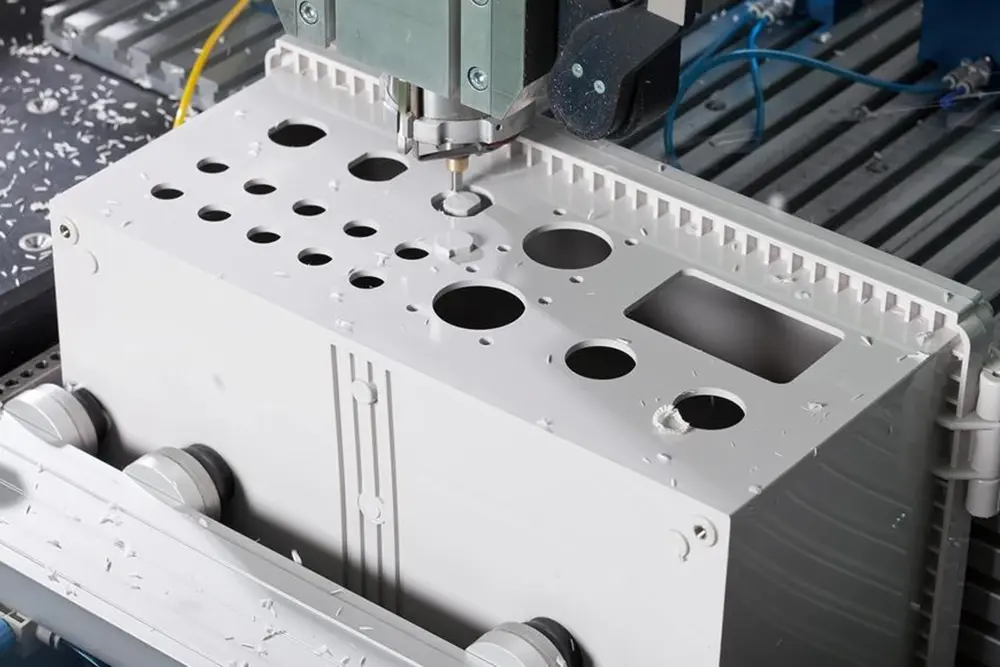
Unlike casting or stamping, CNC machining removes material directly from a solid metal block using computer-controlled cutting tools. Because the machining process follows digital programming, complex geometries can be reproduced consistently with extremely tight tolerances.
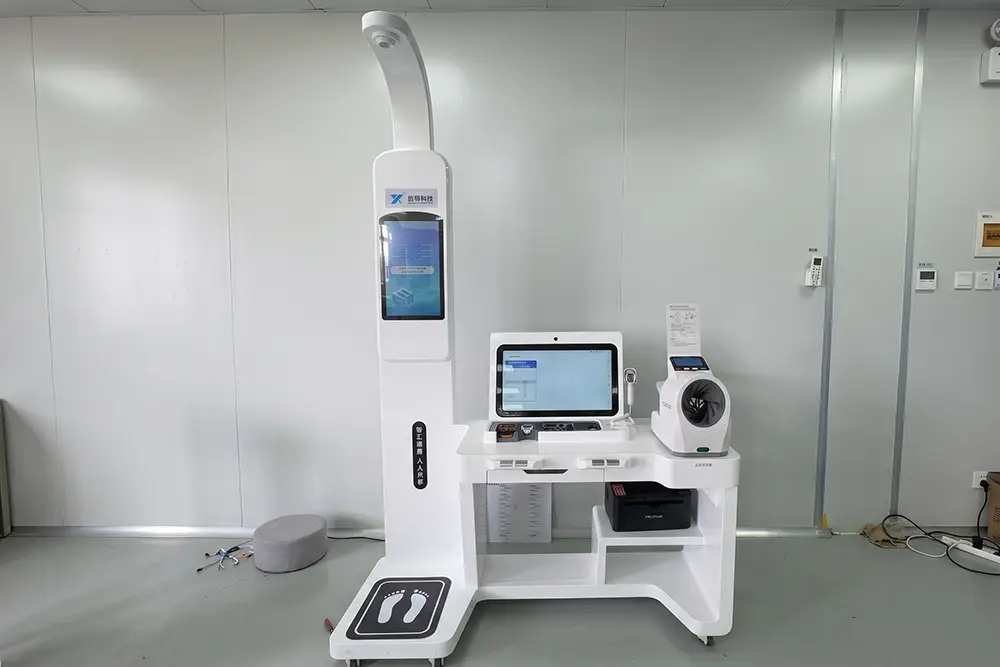
At Zhongrongda, we frequently manufacture components for:
- Medical diagnostic equipment
- Laboratory automation systems
- Semiconductor equipment
- Robotics
- Industrial automation machinery
- Electronic equipment
- Aerospace support fixtures
- High-end consumer products
Many of these industries require machining tolerances as tight as ±0.01 mm, especially when multiple precision parts must fit together perfectly during assembly.
The flexibility of CNC machining also makes it ideal for both rapid prototyping and production manufacturing. Design updates can often be implemented simply by modifying the machining program rather than investing in expensive tooling.
Recommended Internal Link: CNC Machining Services
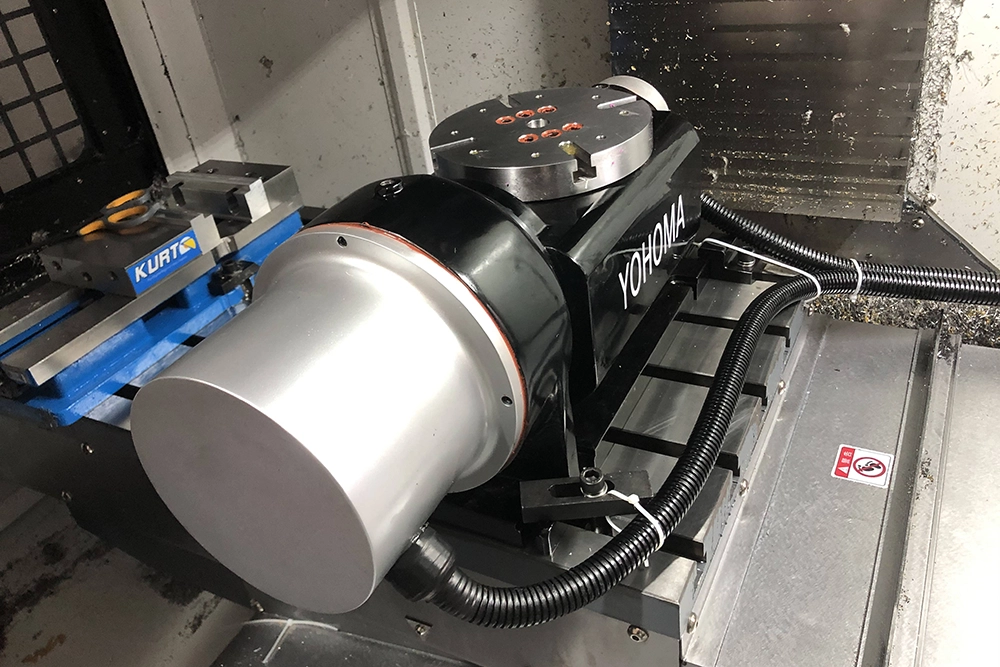
The Complete Manufacturing Journey: From Design to Production
Every successful CNC project follows a structured manufacturing workflow. Although the complexity varies from project to project, our engineering team follows a consistent process to reduce risks before production begins.
Step 1: Engineering Design Review
Before machining begins, we carefully analyze every customer drawing and CAD model.
Rather than immediately starting production, our engineers verify critical factors such as:
- Wall thickness
- Internal corner radii
- Machining accessibility
- Thread specifications
- Surface finish requirements
- Material suitability
- Dimensional tolerances
- Assembly interfaces
This engineering review often identifies potential manufacturing issues that could increase machining costs or create quality problems later in production.
For example, we occasionally receive drawings containing extremely deep internal pockets with sharp corners that standard milling cutters cannot produce efficiently. Instead of simply quoting a higher machining cost, we discuss possible design improvements with the customer while maintaining the functional requirements.
This collaborative engineering approach saves both time and manufacturing costs.
Step 2: Material Selection
Material selection significantly influences machining efficiency, mechanical performance, corrosion resistance, and final product cost.
Some of the most common metals we machine include:
Aluminum
Aluminum remains one of the most popular CNC machining materials because it offers:
- Excellent machinability
- Lightweight properties
- Good corrosion resistance
- Attractive surface finishes
- Cost-effective production
Grades such as 6061 and 7075 are widely used for electronic housings, automation equipment, medical devices, and structural components.
Stainless Steel
When customers require exceptional corrosion resistance and higher mechanical strength, stainless steel becomes the preferred material.
Common grades include:
- 304 Stainless Steel
- 316 Stainless Steel
- 303 Stainless Steel
These materials are widely used in food equipment, laboratory devices, medical systems, and marine applications.
Brass
Brass provides excellent electrical conductivity and outstanding machinability.
Typical applications include:
- Precision connectors
- Pneumatic fittings
- Valve components
- Electrical terminals
Carbon Steel
Carbon steel offers excellent mechanical strength at a relatively low material cost, making it suitable for industrial equipment and heavy-duty machinery.
Our engineering team always recommends materials based on the customer’s actual application rather than selecting the most expensive option.
Recommended Internal Link: Materials
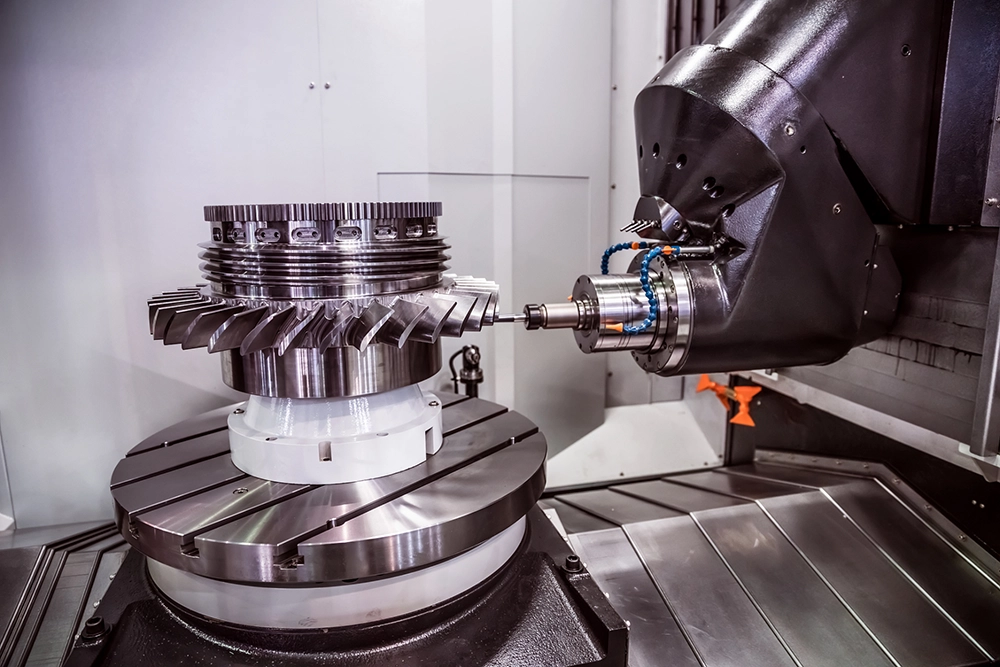
CNC Prototyping: Turning Ideas into Functional Products
Prototype machining plays a critical role in modern product development. Before committing to production, customers need physical components to verify design functionality, assembly compatibility, and real-world performance.
At Zhongrongda, prototype projects often move significantly faster than traditional manufacturing methods because CNC machining requires no dedicated molds or production tooling.
A prototype typically helps customers evaluate:
- Mechanical strength
- Structural integrity
- Heat dissipation
- Component fit
- Surface appearance
- Functional testing
- Design improvements
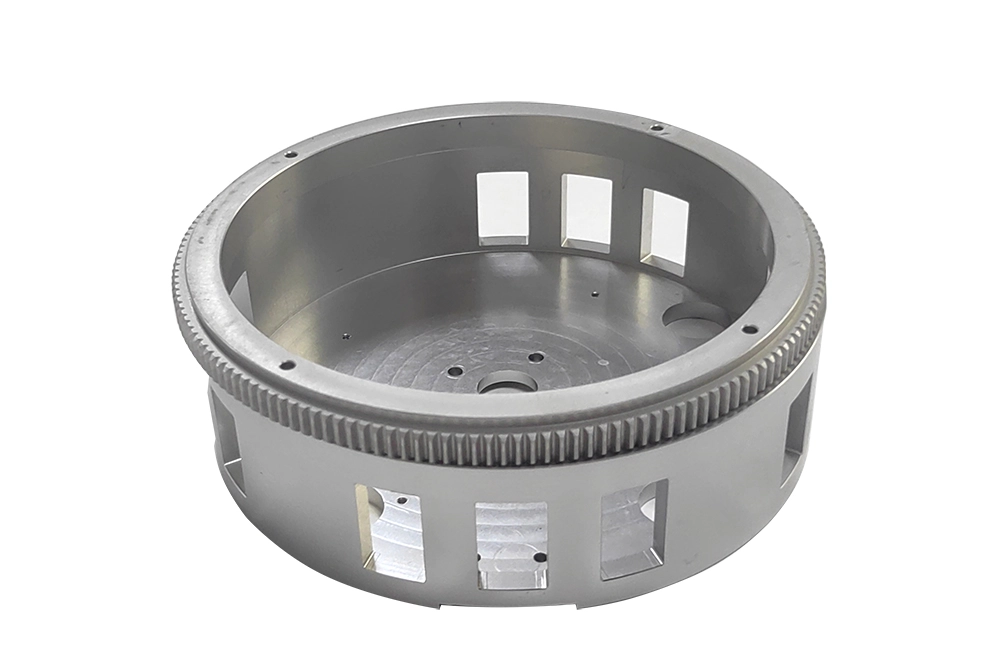
One recent project involved a precision aluminum enclosure for an industrial automation controller. The customer’s initial design required multiple connector openings and several threaded mounting locations with tight positional tolerances.
After machining the first prototype, both our engineering team and the customer identified opportunities to simplify several internal features. These adjustments reduced machining time while improving assembly efficiency. Because the design modifications were made during the prototype stage, the customer avoided costly changes after production had begun.
This experience reinforces why prototyping is more than simply producing sample parts—it is an essential engineering validation process that reduces technical risks before large production investments are made.
Recommended Internal Link: Rapid Prototyping
Precision CNC Machining: Where Accuracy Determines Product Quality
Once a design has been validated, precision machining becomes the foundation of consistent product quality.
Every machining operation affects the final performance of a component. Tool selection, cutting parameters, workholding methods, coolant management, and machine calibration all contribute to dimensional accuracy.
At Zhongrongda, our engineering team develops machining strategies based on each component’s geometry and tolerance requirements rather than applying standardized machining programs.
For example, thin-wall aluminum components require completely different machining parameters than hardened stainless steel parts. Improper cutting speeds or excessive tool pressure can introduce deformation, chatter marks, or dimensional variation.
To minimize these risks, we optimize:
- Toolpath programming
- Cutting speeds
- Feed rates
- Clamping methods
- Tool wear monitoring
- Coolant application
- Multi-stage finishing operations
These process controls help us consistently achieve high dimensional accuracy while maintaining efficient production cycles.
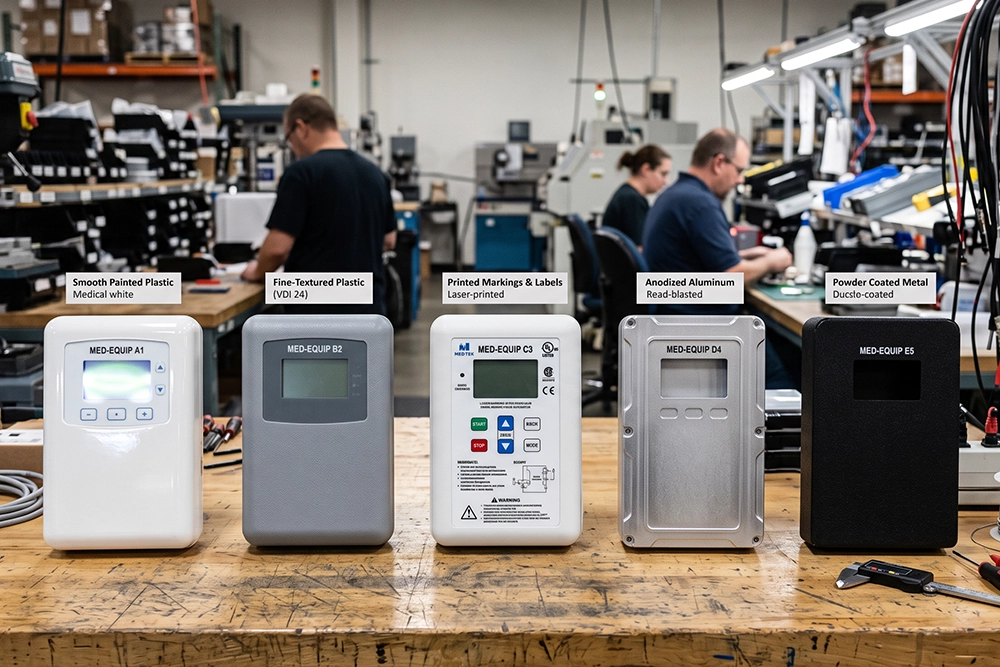
In many customer projects, surface finish quality is equally important. Depending on application requirements, we provide secondary finishing processes such as bead blasting, anodizing, polishing, laser engraving, powder coating, and passivation to improve both appearance and durability.
Transitioning from Prototype to Low-Volume Production
Once a prototype has successfully passed functional testing and customer validation, the next challenge is ensuring that the same quality can be maintained during repeated manufacturing. This transition is where many projects encounter unexpected issues, such as dimensional variation, inconsistent surface finishes, or longer-than-expected lead times.
At Zhongrongda, we treat low-volume production as an important bridge between product development and full-scale manufacturing. Instead of simply machining more parts, our engineering team refines the manufacturing process to improve consistency and production efficiency.
During this stage, we typically:
- Optimize CNC programs to reduce machining cycle time
- Standardize tooling and fixture designs
- Validate machining stability over multiple production runs
- Confirm repeatability of critical dimensions
- Evaluate secondary finishing processes
- Improve packaging methods to protect finished components during transportation
These improvements allow us to identify potential manufacturing risks before they become costly problems in mass production.
For industries such as medical devices and industrial automation, low-volume production also provides valuable opportunities to collect market feedback and verify product performance before committing to larger production quantities.
Recommended Internal Link: Low Volume Production
Quality Control Throughout Every Manufacturing Stage
Producing precision Custom CNC Metal Parts requires more than advanced machining equipment. Consistent quality depends on a structured quality management system that monitors every stage of production.
At Zhongrongda, quality inspection begins before machining starts and continues until every finished part is ready for shipment.
Incoming Material Inspection
Every batch of raw material is verified before entering production. Our inspectors check:
- Material grade
- Dimensions
- Surface condition
- Material certificates (when required)
This ensures that production begins with materials that meet customer specifications.
In-Process Inspection
During machining, operators regularly verify critical dimensions using calibrated measuring instruments.
Typical inspection tools include:
- Coordinate Measuring Machine (CMM)
- Digital calipers
- Micrometers
- Height gauges
- Thread gauges
- Pin gauges
When machining complex components with multiple precision features, intermediate inspections help detect any deviation before additional operations are completed. This reduces scrap rates and improves production efficiency.
Final Inspection
Before shipment, every production batch undergoes a comprehensive final inspection.
Depending on customer requirements, inspections may include:
- Critical dimension verification
- Surface finish evaluation
- Thread inspection
- Assembly fit checks
- Visual appearance inspection
- Packaging verification
For customers in regulated industries, we can also provide inspection reports and measurement data to support quality documentation.
By integrating inspection throughout the manufacturing process instead of relying solely on final inspection, we reduce variation and deliver parts that meet customer expectations consistently.
Common Design Mistakes That Increase CNC Machining Costs
After supporting hundreds of custom machining projects, we have found that many cost increases originate during the design stage rather than during manufacturing itself.
Some of the most common issues include:
Unnecessarily Tight Tolerances
Not every dimension requires extremely tight tolerances. Applying ±0.01 mm to non-critical features increases machining time and inspection costs without improving product performance.
Whenever possible, reserve tight tolerances only for features that directly affect assembly or function.
Deep Internal Cavities
Deep pockets require longer cutting tools, which reduce rigidity and increase machining time.
Designing shallower cavities or increasing corner radii can often improve machining efficiency.
Sharp Internal Corners
Standard milling cutters produce internal radii rather than perfectly sharp corners.
Including realistic corner radii during the design phase avoids unnecessary secondary machining operations.
Excessive Surface Finish Requirements
High-polish finishes require additional manual processing.
Unless appearance is critical, selecting practical surface finish specifications can significantly reduce manufacturing costs.
Frequent Design Changes After Production Begins
Engineering revisions are expected during prototyping. However, frequent changes after production starts often require new fixtures, revised CNC programs, and additional inspections.
Investing more time in prototype validation typically reduces these downstream costs.
Tips for Reducing CNC Machining Costs Without Sacrificing Quality
Many customers assume that reducing cost means compromising quality. In reality, thoughtful engineering decisions often improve both efficiency and product reliability.
Based on our manufacturing experience, we recommend:
- Design parts according to Design for Manufacturability (DFM) principles.
- Select materials that match functional requirements instead of automatically choosing premium alloys.
- Standardize hole sizes, thread specifications, and tool-compatible features.
- Consolidate multiple parts into fewer machined components where practical.
- Validate designs thoroughly during prototyping before scaling production.
- Work closely with your manufacturing partner early in the design process.
These strategies frequently shorten lead times while lowering total manufacturing costs.
Why Global Customers Choose Zhongrongda
At Zhongrongda, we understand that customers are not simply purchasing machined components—they are looking for a manufacturing partner capable of supporting long-term product development.
Our engineering team works closely with customers from the earliest design discussions through prototype validation, low-volume production, and mass manufacturing.
Our capabilities include:
- Precision 3-axis, 4-axis, and 5-axis CNC machining
- Prototype machining and rapid product development
- Low-volume and production manufacturing
- Aluminum, stainless steel, brass, copper, titanium, and engineering metal machining
- Surface finishing and secondary processing
- Engineering support with Design for Manufacturability (DFM) recommendations
- Comprehensive quality inspection using advanced measurement equipment
- Flexible production scheduling for global OEM and ODM customers
Whether a customer requires a single prototype or ongoing production deliveries, our focus remains the same: delivering reliable quality, responsive engineering support, and consistent manufacturing performance.
Conclusion
Developing high-quality Custom CNC Metal Parts involves much more than operating CNC machines. Successful projects require collaboration between experienced engineers, skilled machinists, quality inspectors, and customers throughout every stage of the manufacturing process.
From the initial design review and prototype machining to low-volume validation and full-scale production, every decision influences product quality, manufacturing efficiency, and long-term reliability.
At Zhongrongda, we believe that successful manufacturing begins with understanding our customers’ goals rather than simply producing parts according to drawings. By combining engineering expertise, advanced machining technology, and a commitment to continuous improvement, we help customers transform innovative ideas into dependable products ready for the global market.
If you are planning your next CNC machining project, our engineering team is ready to review your drawings, recommend cost-effective manufacturing solutions, and support you from prototype to mass production.
Frequently Asked Questions (FAQ)
1. What are custom CNC metal parts?
Custom CNC metal parts are precision components manufactured from metal materials according to customer-supplied drawings or CAD models using computer-controlled machining equipment.
2. Which metals are commonly used for CNC machining?
Common materials include aluminum, stainless steel, brass, carbon steel, copper, and titanium. The best choice depends on the application’s strength, corrosion resistance, weight, and budget requirements.
3. Why is CNC machining suitable for prototypes?
CNC machining does not require molds or tooling, making it ideal for producing accurate prototypes quickly while allowing design changes before production.
4. What tolerance can CNC machining achieve?
Depending on the material and geometry, precision CNC machining can commonly achieve tolerances as tight as ±0.01 mm.
5. When should I move from prototyping to production?
Once the prototype has passed functional testing, assembly verification, and design validation, it is generally ready for low-volume production before scaling to mass manufacturing.
6. How can I reduce CNC machining costs?
Optimizing part geometry, using realistic tolerances, selecting appropriate materials, and following DFM principles can significantly reduce manufacturing costs.
7. What industries use custom CNC metal parts?
Industries include medical devices, robotics, industrial automation, aerospace support equipment, electronics, laboratory instruments, and consumer products.
8. What surface finishes are available?
Common finishing options include anodizing, bead blasting, polishing, powder coating, passivation, laser engraving, and brushing.
9. Can Zhongrongda support both prototypes and mass production?
Yes. We provide engineering support from prototype development through low-volume manufacturing and full production.
10. How do I request a CNC machining quotation?
Simply send us your 2D drawings or 3D CAD files along with material, quantity, and surface finish requirements. Our engineering team will review your project and provide a detailed quotation.