Choosing the right medical device enclosure involves more than selecting a material or defining an external shape. Product developers must consider structural strength, dimensional accuracy, assembly requirements, surface finish, cleaning procedures, production volume, and the overall requirements of the medical device.
For medical equipment manufacturers, working with an experienced custom enclosure manufacturer can help reduce design risks, improve manufacturability, and establish a smoother transition from prototype development to production.
At Zhongrongda, we provide custom enclosure manufacturing solutions for medical devices and equipment. Our capabilities include CNC machining, plastic enclosure processing, prototype development, and production support based on project requirements.
This FAQ answers common questions about medical device enclosure materials, custom design, manufacturing methods, quality requirements, and supplier selection.
1. What Is a Medical Device Enclosure?
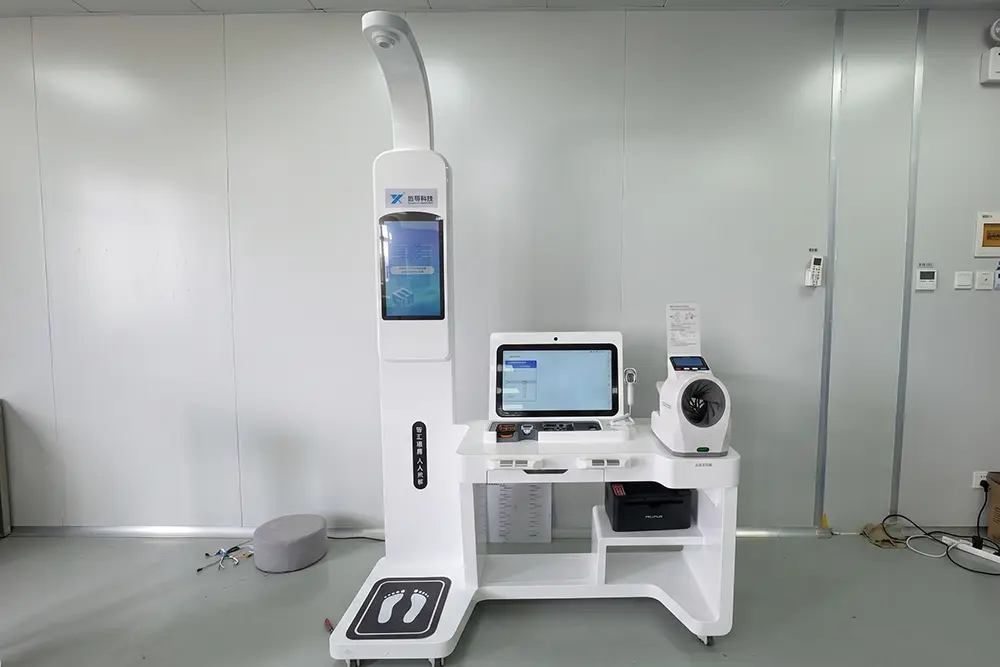
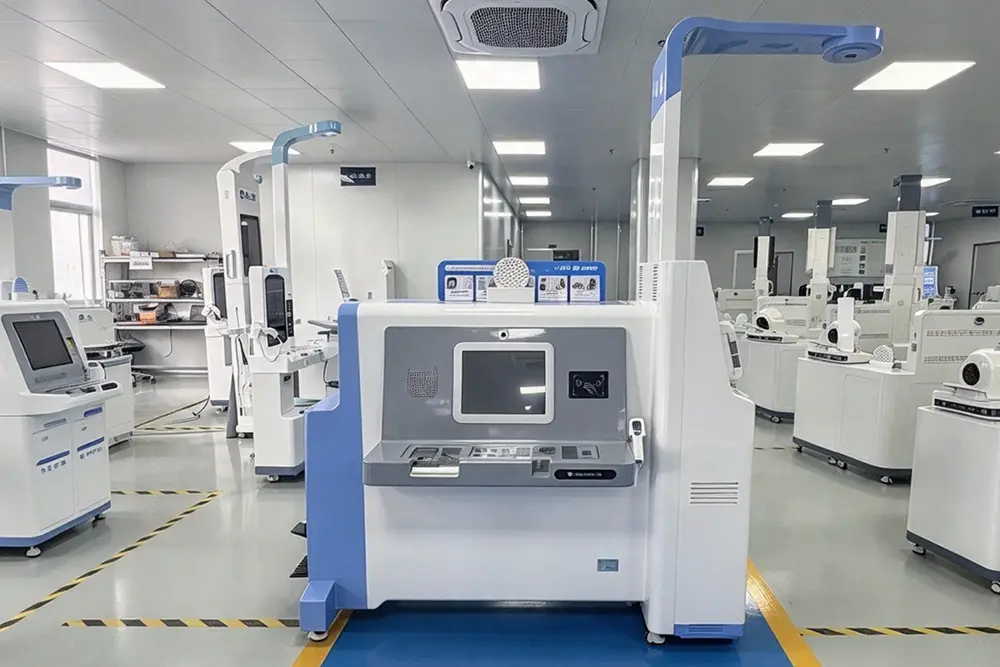
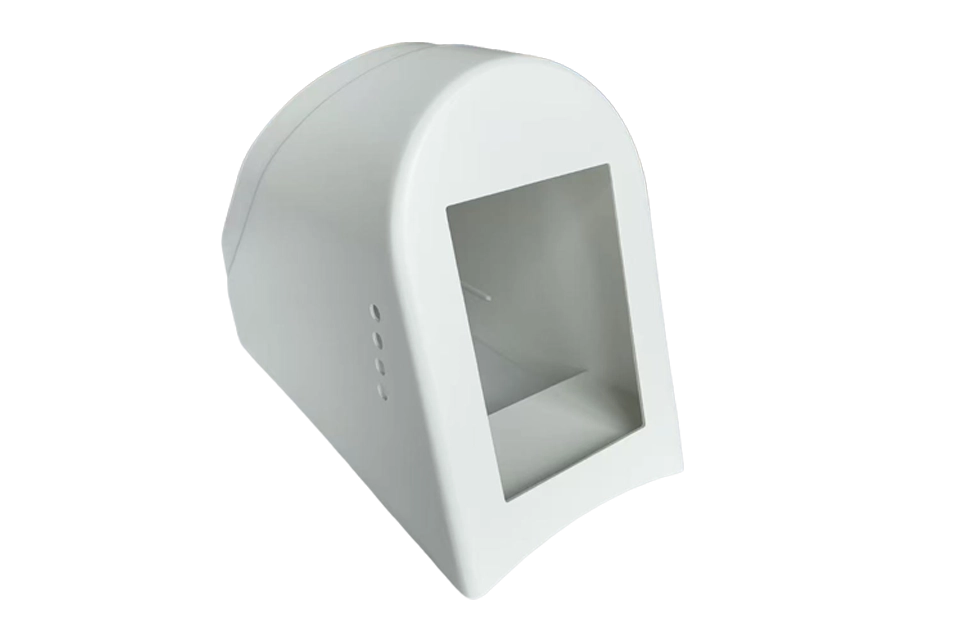
A medical device enclosure is the external housing or structural casing that protects and supports the components of a medical or healthcare device. Depending on the application, it may accommodate electronic components, displays, sensors, control panels, wiring, power supplies, and mechanical assemblies.
Medical device enclosures are used in a wide range of equipment, including:
- Diagnostic and laboratory equipment
- Patient monitoring devices
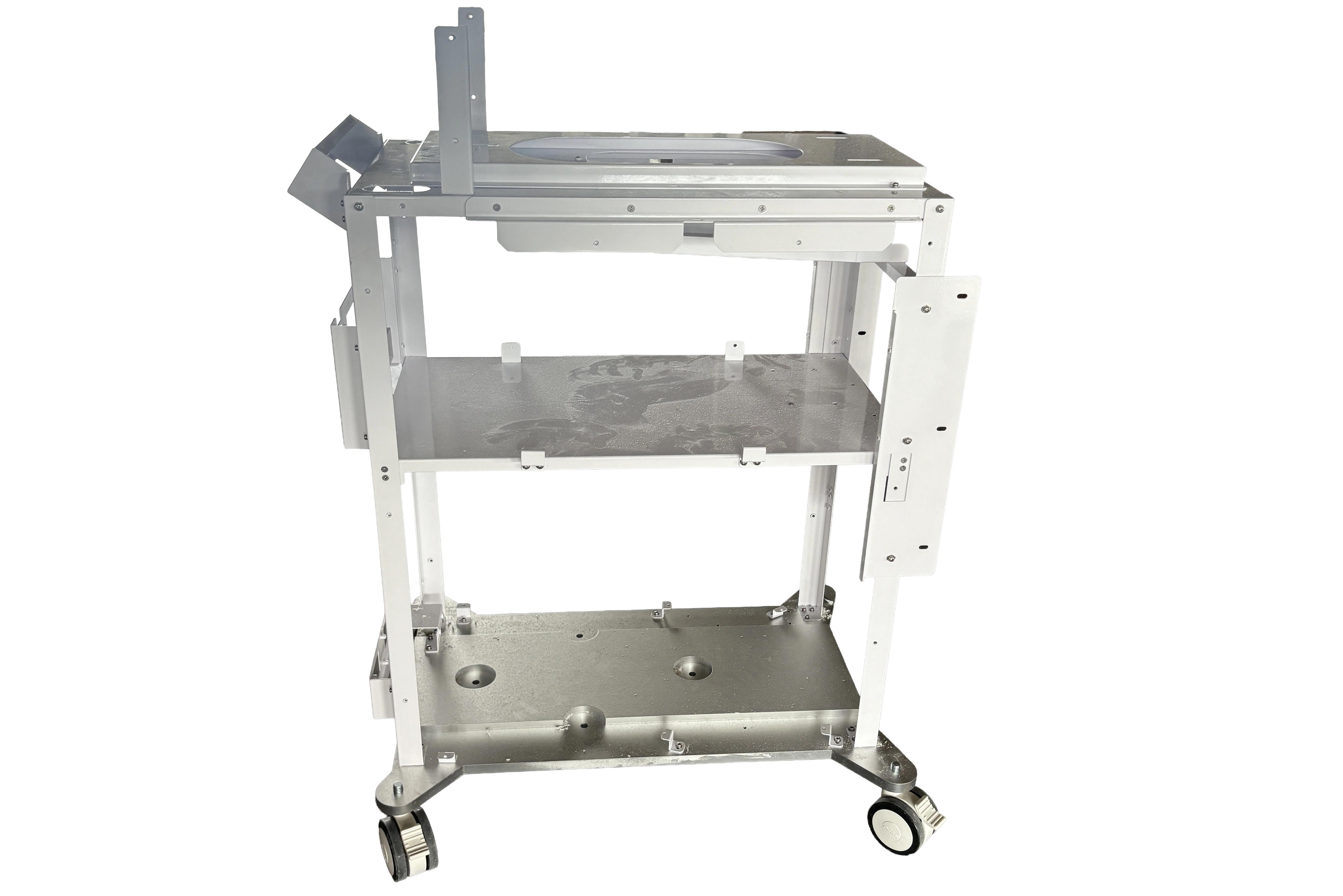
- Medical carts and workstations
- Medical robots and automated equipment
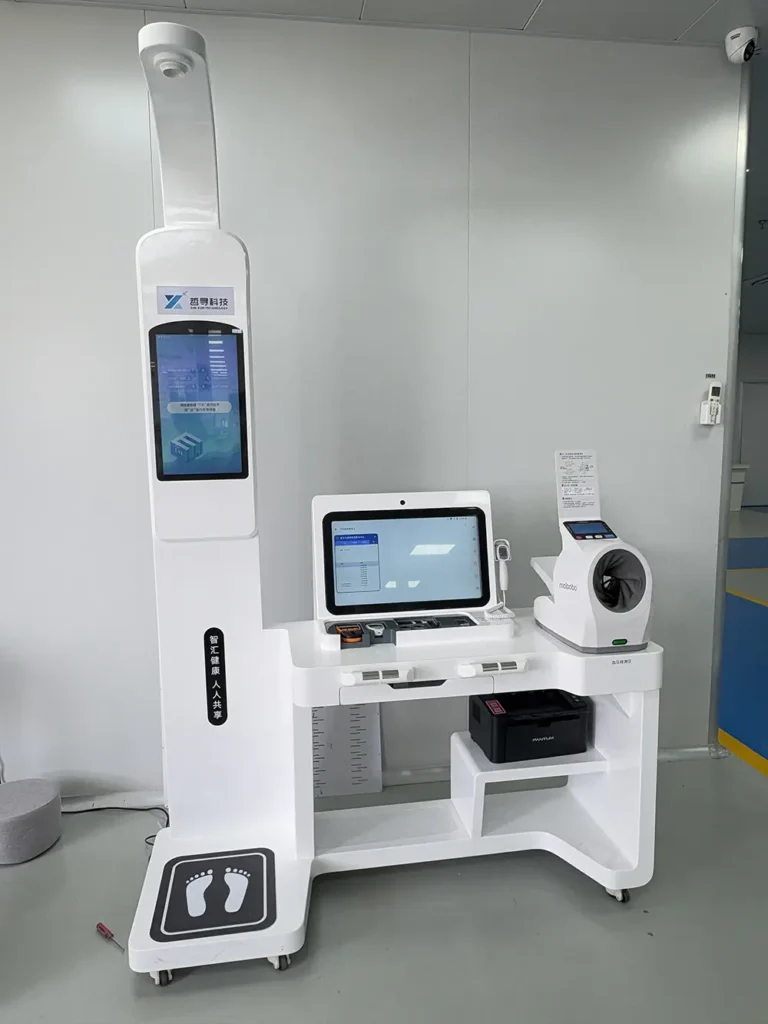
- Healthcare kiosks and examination systems
- Medical aesthetic and beauty equipment
The enclosure design depends on the equipment’s function, operating environment, internal layout, and intended use. Some applications require lightweight plastic housings, while others need metal support structures or a combination of plastic panels and metal frames.
A well-designed medical equipment enclosure should balance protection, usability, appearance, assembly efficiency, and manufacturing feasibility.
2. What Materials Are Commonly Used for Medical Device Enclosures?
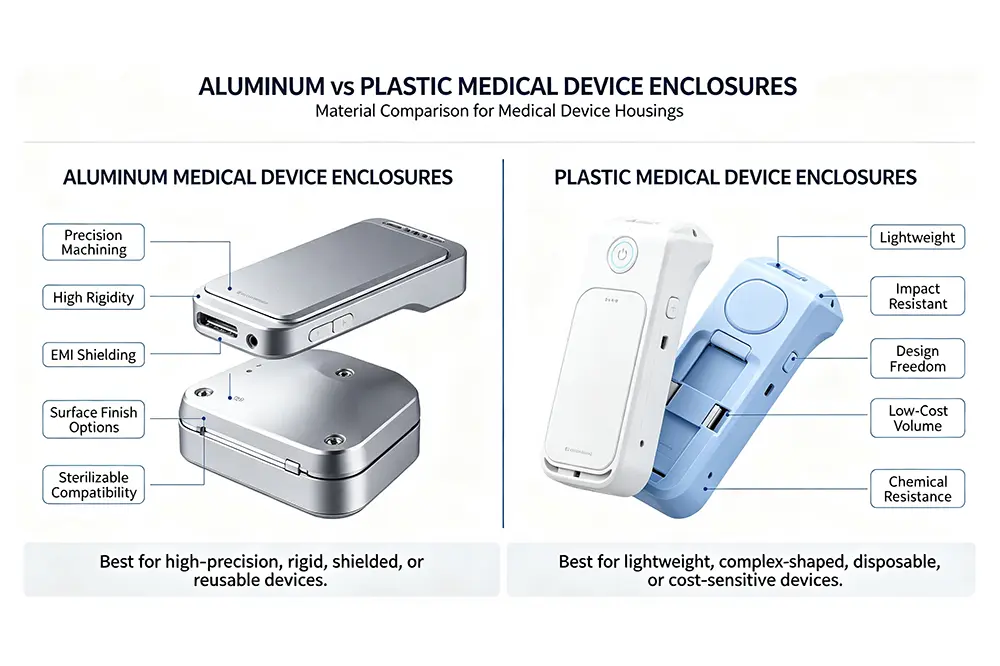
Common materials include ABS, polycarbonate (PC), PC-ABS blends, and metals such as aluminum or steel. The most suitable choice depends on the enclosure’s mechanical requirements, appearance, environment, and manufacturing process.
ABS: ABS is often considered for equipment housings that require good impact resistance, a smooth appearance, and practical manufacturing costs. It is commonly used for control panels, instrument covers, and equipment casings.
Polycarbonate (PC): PC may be suitable when higher impact resistance or transparency is required. It can be considered for protective windows, viewing panels, and selected equipment housings.
PC-ABS: PC-ABS blends combine characteristics of polycarbonate and ABS. Depending on the specific grade, they can provide a useful balance of impact performance, processability, and surface appearance.
Aluminum and steel: Metals may be appropriate for load-bearing structures, mounting brackets, internal frames, or applications that require greater rigidity. A hybrid design can combine a plastic exterior with a metal support frame.
Material selection should also account for the specific grade, chemical compatibility, cleaning agents, temperature exposure, and any applicable regulatory or safety requirements.
Read our related guide: Medical Enclosure Materials: ABS vs. PC vs. PC-ABS.
3. Can Medical Device Enclosures Be Customized?
Yes. Custom medical device enclosures can be developed around the dimensions, internal components, functional requirements, and appearance of a particular device.
Customization may include:
- Overall dimensions and external geometry
- Openings for displays, buttons, connectors, and ventilation
- Mounting points and internal fixing structures
- Cable routing and access panels
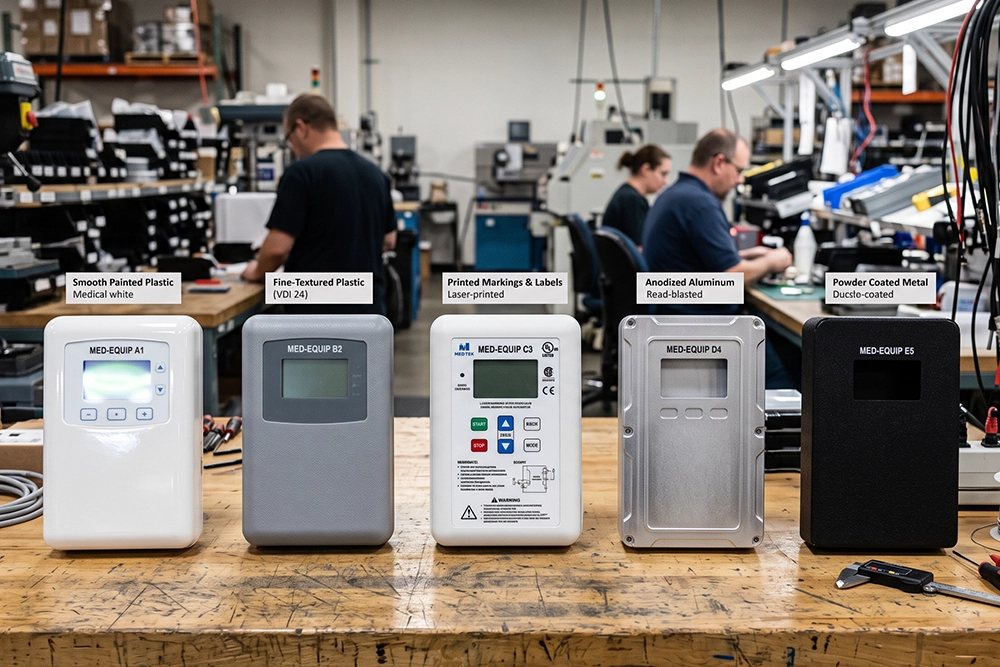
- Decorative panels, colors, and surface finishes
- Integration with metal frames, brackets, or support structures
- Provisions for assembly, servicing, and component replacement
The design process typically begins with 3D CAD files, engineering drawings, reference samples, or an initial product concept.
When the design is still being developed, early communication between the product design team and the enclosure manufacturer can help identify wall thickness issues, difficult-to-machine features, assembly conflicts, and other potential manufacturing problems.
4. What Information Is Needed to Request a Custom Medical Enclosure Quote?
To prepare a useful quotation, a manufacturer generally needs enough information to understand the enclosure’s geometry, materials, tolerances, finishing requirements, and expected production volume.
Where available, please provide:
- 3D CAD files: STEP, STP, or another agreed neutral format.
- 2D engineering drawings: Critical dimensions, tolerances, and assembly details.
- Material requirements: Preferred material or the performance requirements that determine material selection.
- Surface finish: Color, texture, gloss level, or other appearance requirements.
- Quantity: Prototype quantity, initial batch size, and estimated annual demand.
- Assembly requirements: Inserts, brackets, fasteners, windows, or other components that need to be integrated.
- Project timeline: Target dates for prototypes, validation, and production.
If some details are not yet finalized, an initial concept or reference sample can still help start a technical discussion.
Providing complete information early makes it easier to evaluate feasibility, identify manufacturing risks, and develop a more accurate quotation.
5. Can Zhongrongda Manufacture Medical Enclosure Prototypes?
Prototype manufacturing can help product teams evaluate enclosure geometry, component fit, assembly access, and external appearance before committing to larger production quantities.
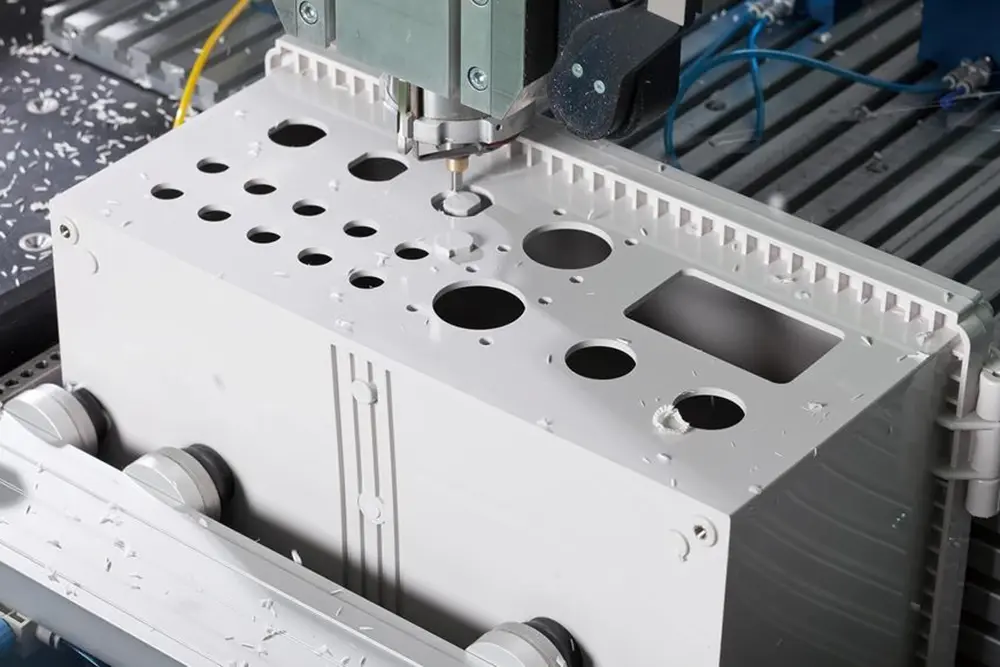
Depending on the design and project requirements, CNC machining can be used to produce prototypes from suitable plastic or metal stock. This approach can be useful when engineers need to assess the physical form of a part or verify selected dimensions.
Prototype evaluation may cover:
- Fit between the enclosure and internal components
- Alignment of holes, slots, and mounting points
- Accessibility of connectors and service panels
- Surface appearance and assembly sequence
- Potential interference between mechanical components
A prototype does not automatically establish that a finished medical device meets all applicable safety, performance, biocompatibility, or regulatory requirements. Additional verification and validation may be necessary for the complete device.
6. Is CNC Machining Suitable for Medical Device Enclosures?
CNC machining can be suitable for custom medical equipment enclosures, especially when a project requires accurate features, design flexibility, or low-volume production.
Depending on the material and geometry, CNC machining can support:
- Custom plastic housing components
- Metal mounting brackets and structural parts
- Display and connector openings
- Precision mounting holes and interfaces
- Prototype parts for fit and function evaluation
- Small batches and selected production applications
Its suitability depends on part size, material properties, geometry, dimensional requirements, surface finish, and cost targets.
For higher production volumes, other manufacturing methods may become more economical. For example, injection molding may be worth evaluating for suitable plastic parts when the expected volume justifies the tooling investment.
A manufacturing partner should assess the complete project rather than assume that one process is ideal for every enclosure.
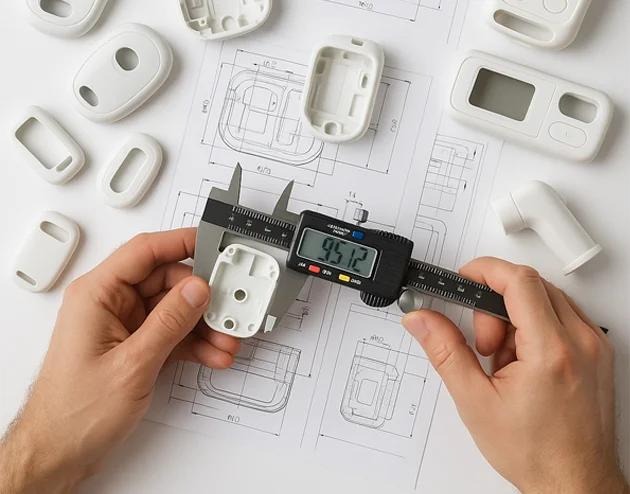
7. What Dimensional Tolerances Can Be Achieved?
Achievable dimensional tolerances depend on the material, part geometry, feature size, machining process, inspection method, and manufacturing conditions.
For selected projects, Zhongrongda’s stated machining capabilities are:
- Metal components: tolerances down to ±0.01 mm under suitable conditions
- Plastic components: tolerances down to ±0.02 mm under suitable conditions
These figures should not be interpreted as guaranteed tolerances for every feature or every enclosure. Plastic parts can be affected by thermal expansion, material stress, deformation, and environmental conditions. Thin walls, large panels, and complex geometries may require different tolerance strategies.
For a reliable quotation and inspection plan, engineering drawings should identify critical dimensions, datum references, mating features, and any special measurement requirements.
Applying tight tolerances only where functionally necessary can also help control manufacturing costs.
8. How Should Surface Finish and Color Be Specified?
Surface appearance should be defined early because it can affect material selection, manufacturing methods, inspection criteria, and production cost.
Important considerations include:
- Color references and acceptable color variation
- Gloss level or matte appearance
- Surface texture and visible tool marks
- Parting lines, seams, and panel alignment where applicable
- Scratch visibility and handling requirements
- The appearance of assembled parts from different materials
For plastic enclosures, the material and manufacturing process influence the achievable finish. For metal components, suitable finishing options depend on the alloy, intended use, and environmental requirements.
It is helpful to provide physical reference samples, approved color standards, or clearly defined visual acceptance criteria when appearance is critical.
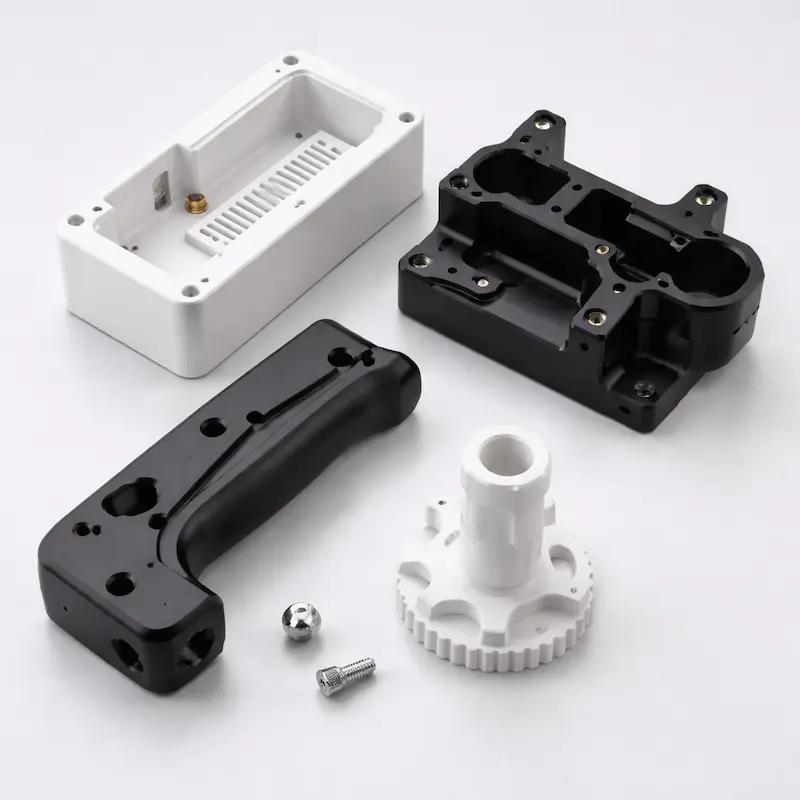
9. What Quality Requirements Should Be Considered for Medical Enclosures?
Quality requirements should be defined according to the enclosure’s function and the finished device’s intended use.
Typical manufacturing quality considerations include dimensional inspection, material verification, surface appearance, assembly fit, and consistency between production batches.
For medical equipment projects, the design team should also evaluate relevant requirements relating to cleaning and disinfection, chemical compatibility, electrical safety, structural integrity, and the complete device’s applicable regulatory framework.
ISO 13485 is a quality management system standard for medical devices. Zhongrongda reports ISO 9001 and ISO 13485 certifications; customers should confirm the current certificate scope, validity, and applicability to their specific project during supplier qualification.
An enclosure supplier’s certification does not, by itself, mean that an assembled medical device is certified or approved for market use.
Clear drawings, documented acceptance criteria, and an agreed inspection plan help both parties understand what must be verified before shipment.
10. Can Plastic Enclosures Be Designed for Cleaning and Disinfection?
Yes, but cleanability depends on the complete design, material grade, surface condition, and cleaning chemicals involved.
When designing an enclosure for healthcare or laboratory environments, consider:
- Compatibility with the intended cleaning and disinfecting agents
- Accessible surfaces and areas where residue may accumulate
- Gaps, joints, seams, and recessed features
- Protection of electrical components and connectors
- Resistance to cracking, discoloration, or surface deterioration
- Instructions for use and the equipment’s intended cleaning procedure
Avoid assuming that a material is suitable for every disinfectant simply because it is commonly used in medical equipment. Chemical compatibility should be confirmed for the selected material grade and the actual exposure conditions.
Where necessary, testing should be performed using the intended cleaning agents and procedures.
11. Can a Medical Enclosure Combine Plastic Panels and a Metal Frame?
Yes. A hybrid enclosure can combine plastic exterior panels with a metal frame or internal support structure.
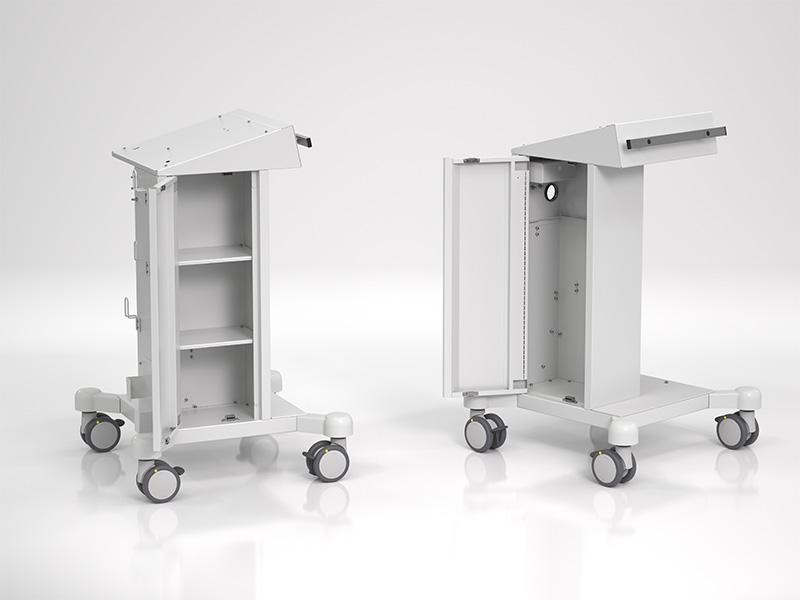
This approach may be useful for medical carts, mobile workstations, diagnostic systems, and larger equipment where the exterior requires a particular appearance while the internal structure must support components or operational loads.
Potential benefits include:
- Flexible exterior styling and color options
- Additional structural support where required
- Separate optimization of cosmetic and load-bearing parts
- Easier access to selected internal components
- Integration of mounting points and equipment modules
The design must account for load distribution, fastening methods, dimensional tolerances, assembly sequence, and the compatibility of connected components.
For mobile equipment, the complete assembly should also be evaluated for stability, caster mounting, intended loads, and other applicable performance requirements.
12. Can Zhongrongda Support Both Small-Batch and Larger Production Runs?
Production planning depends on the part design, manufacturing method, tooling requirements, inspection needs, and order volume.
CNC machining can be useful for prototypes and smaller batches because it avoids the need for injection molds. For suitable plastic parts, injection molding may offer a lower unit cost at higher volumes, although the initial tooling investment must be considered.
When comparing manufacturing options, evaluate the total project cost rather than the unit price alone. Relevant factors include:
- Initial tooling and setup costs
- Material consumption and machining time
- Finishing and assembly requirements
- Inspection and quality documentation
- Expected annual demand
- Design changes and future product revisions
Discussing expected demand early helps determine whether CNC machining, injection molding, or a combination of processes is appropriate for the project.
13. How Do I Choose the Right Medical Enclosure Manufacturer?
The right manufacturing partner should understand both the physical enclosure and its role in the complete equipment assembly.
Before selecting a supplier, consider:
- Relevant manufacturing experience: Ask about comparable enclosure projects and material experience.
- Engineering communication: Confirm that the supplier can review drawings, clarify requirements, and identify manufacturing risks.
- Process capabilities: Evaluate whether the supplier can support the required machining, finishing, assembly, and production methods.
- Quality management: Review relevant certifications, inspection procedures, traceability requirements, and acceptance criteria.
- Production planning: Confirm that the supplier’s proposed process suits your expected order volume and delivery schedule.
- Project transparency: Establish how engineering changes, samples, inspection results, and production issues will be communicated.
A qualified supplier should be able to explain manufacturing trade-offs clearly instead of simply accepting every drawing without technical review.
14. How Can I Get Started with a Custom Medical Device Enclosure Project?
The first step is to share the available design information and clarify the equipment’s functional requirements.
If you already have a 3D model and engineering drawings, send them with the target quantity, material preferences, finish requirements, and critical dimensions.
If your project is still at the concept stage, explain the device’s intended application, approximate dimensions, internal components, and development timeline. This information can help establish the next steps for design review and prototype planning.
At Zhongrongda, we work with customers to evaluate custom enclosure manufacturing requirements for medical and other equipment applications.
Looking for a custom medical device enclosure manufacturer?
Contact Zhongrongda to discuss your project, review manufacturing options, and request a quotation.
Prepare your drawings or reference materials and share your expected production quantity so that the team can better understand your requirements.