Custom Enclosure Solutions for Medical and High-End Equipment
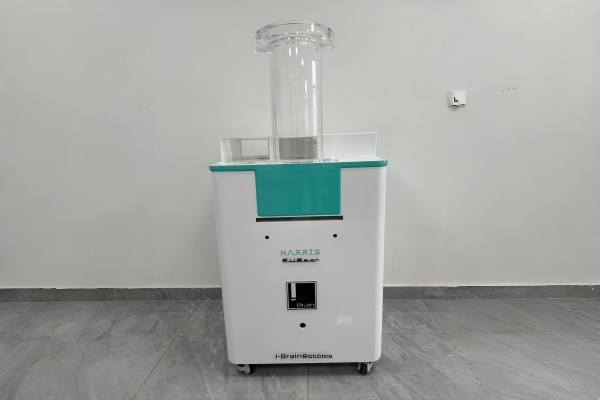
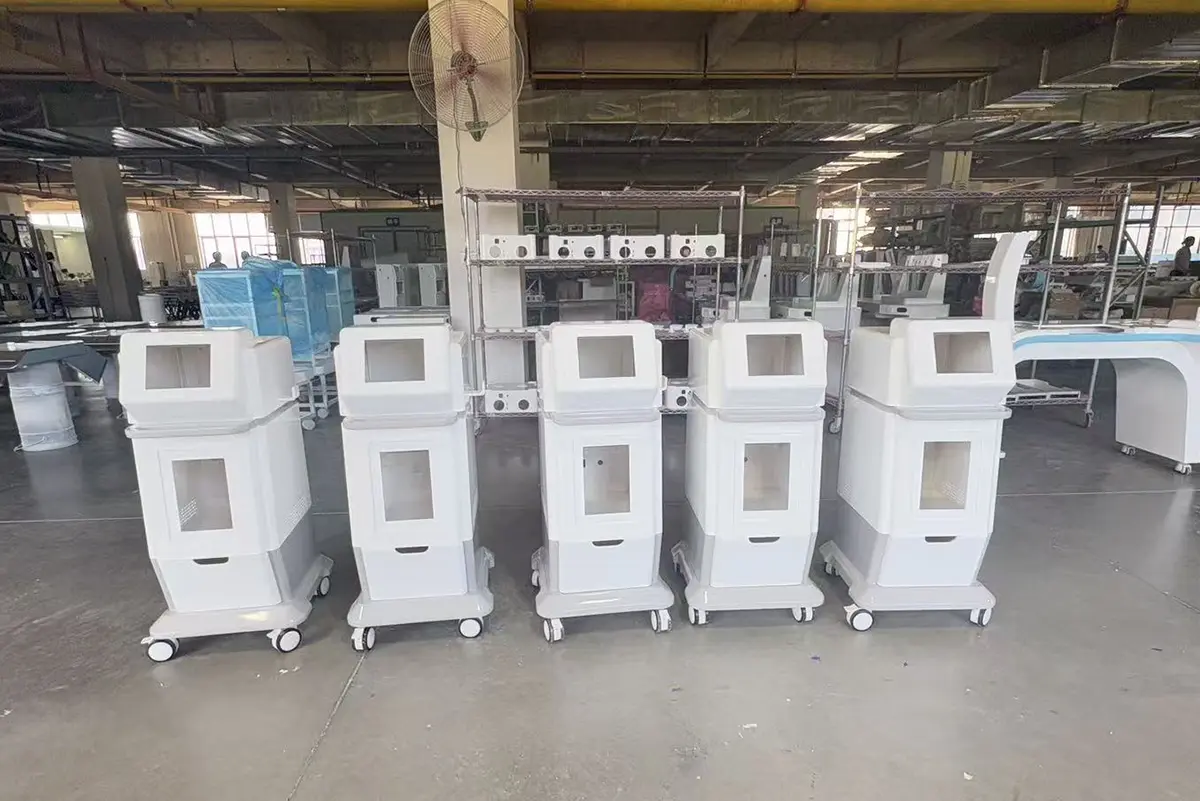
ZRD develops and manufactures custom plastic and metal enclosures for medical, laboratory, aesthetic and large equipment.
We help you move from equipment concept and enclosure drawings to prototype validation, production-ready panels, finishing, assembly and repeat production.
- Equipment-Focused Design Support
- We review the enclosure around your internal system, access points and assembly interfaces.
- Prototype to Production
- Validate the housing before moving into tooling, pilot production or repeat manufacturing.
- Plastic and Metal Enclosures
- Select materials and processes according to function, size, quantity and appearance.
- Finishing and Assembly
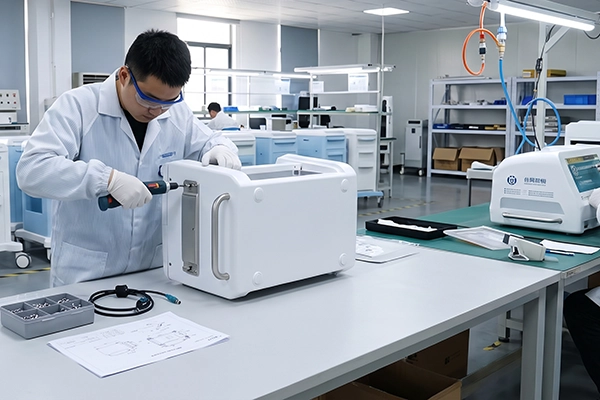
- Coordinate surface treatment, printing, fitting and inspection within the agreed project scope.


The Right Enclosure Starts With the Equipment Inside It


An equipment enclosure has to protect internal components, support operation and service access, fit the internal frame and present a consistent appearance after production.
Before recommending a manufacturing route, we review the equipment type, internal layout, panel size, required openings, production quantity, visible surfaces and current project stage.
You can engage ZRD for enclosure prototyping, a specific manufacturing stage or a coordinated project from design review to final assembly.
Custom Equipment Enclosure Solutions
Enclosure Solutions Built Around Your Equipment
Each enclosure project starts with the equipment inside it. Internal components, access points, operating conditions, target quantity and appearance requirements all influence the structure, material and manufacturing process.

Featured Solution
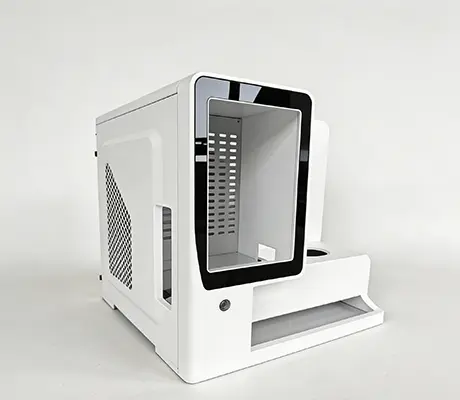
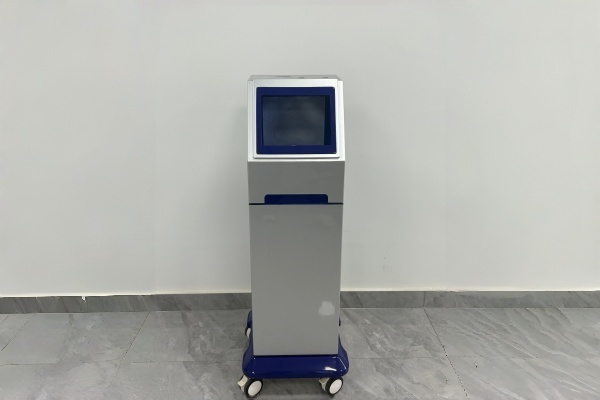
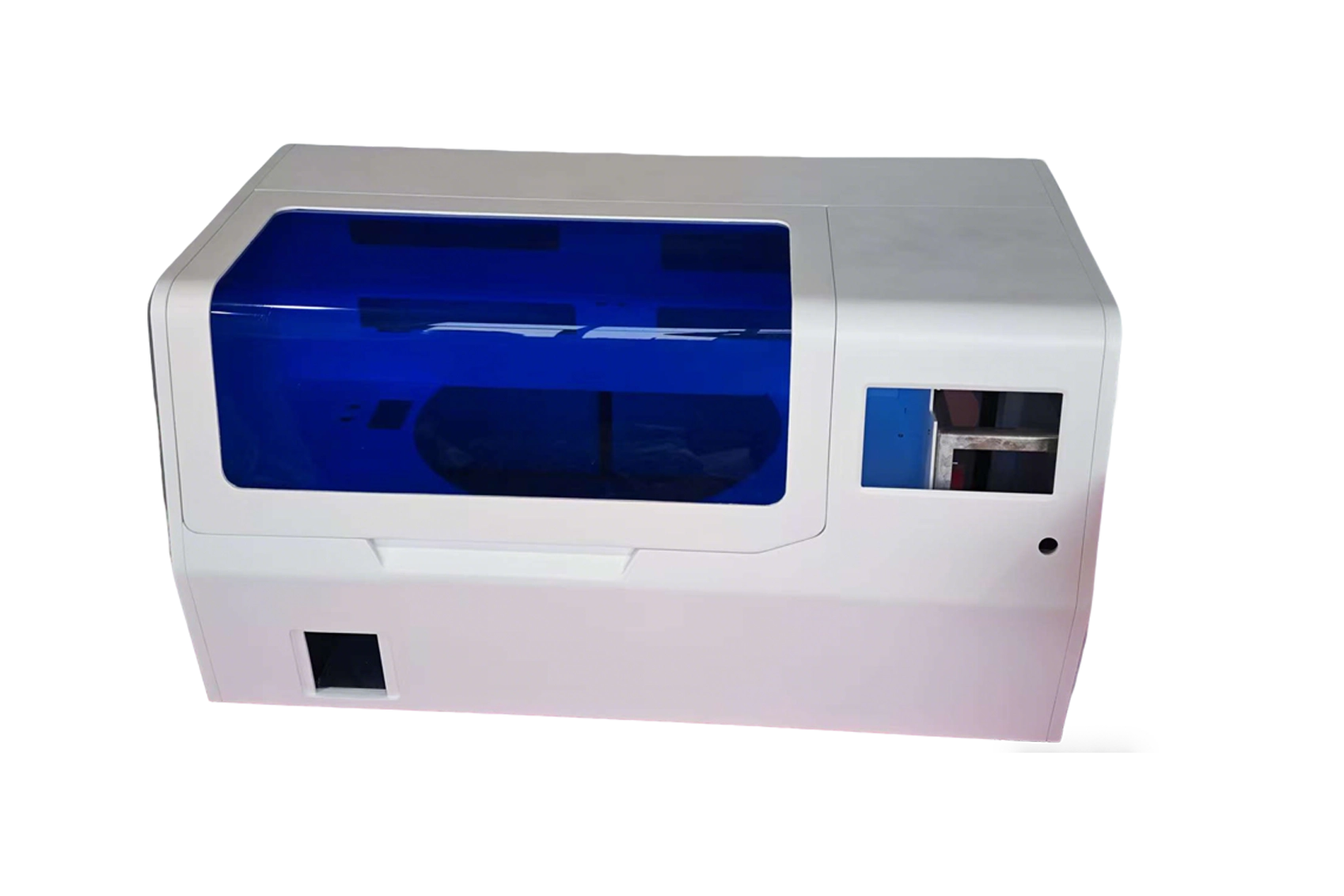
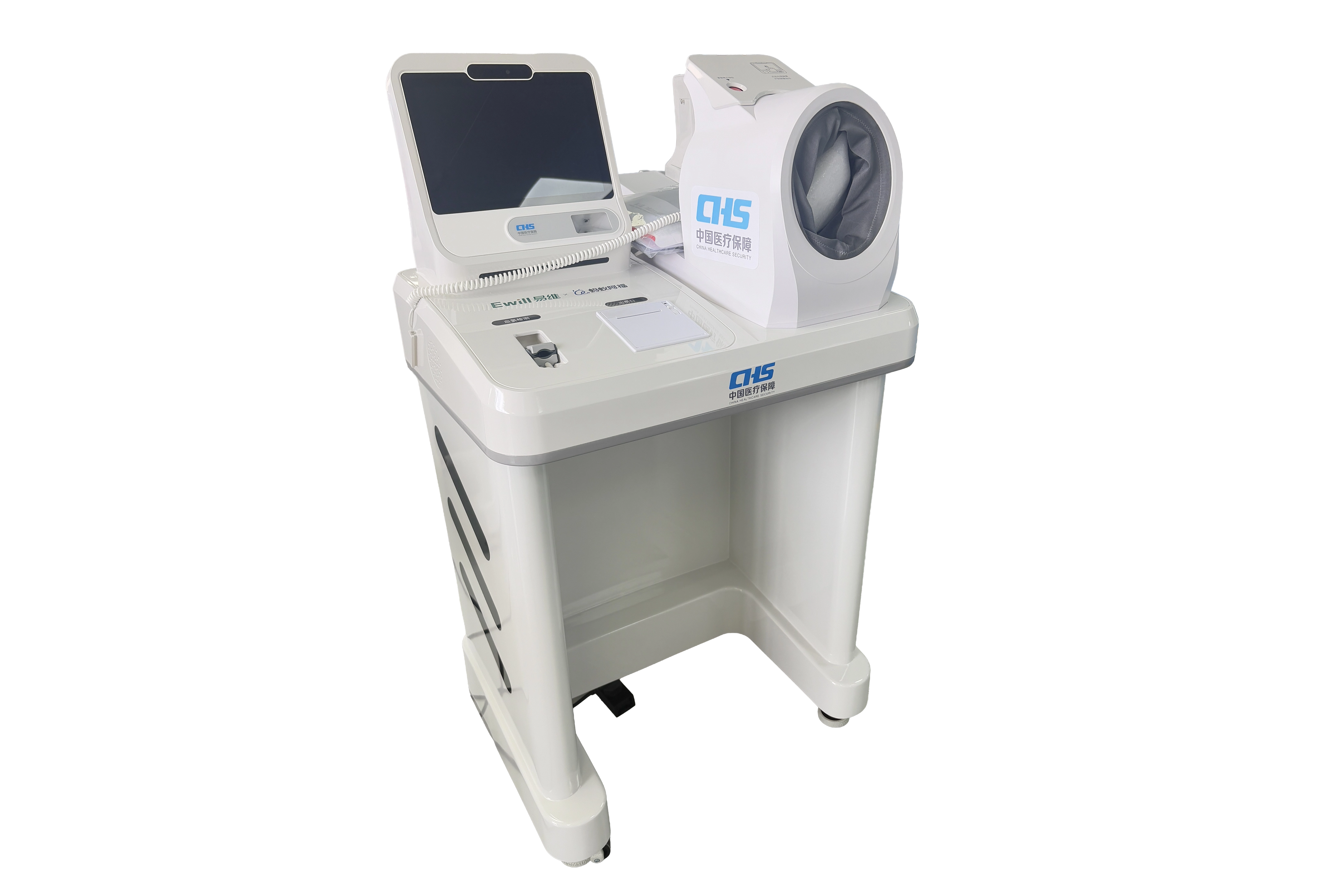
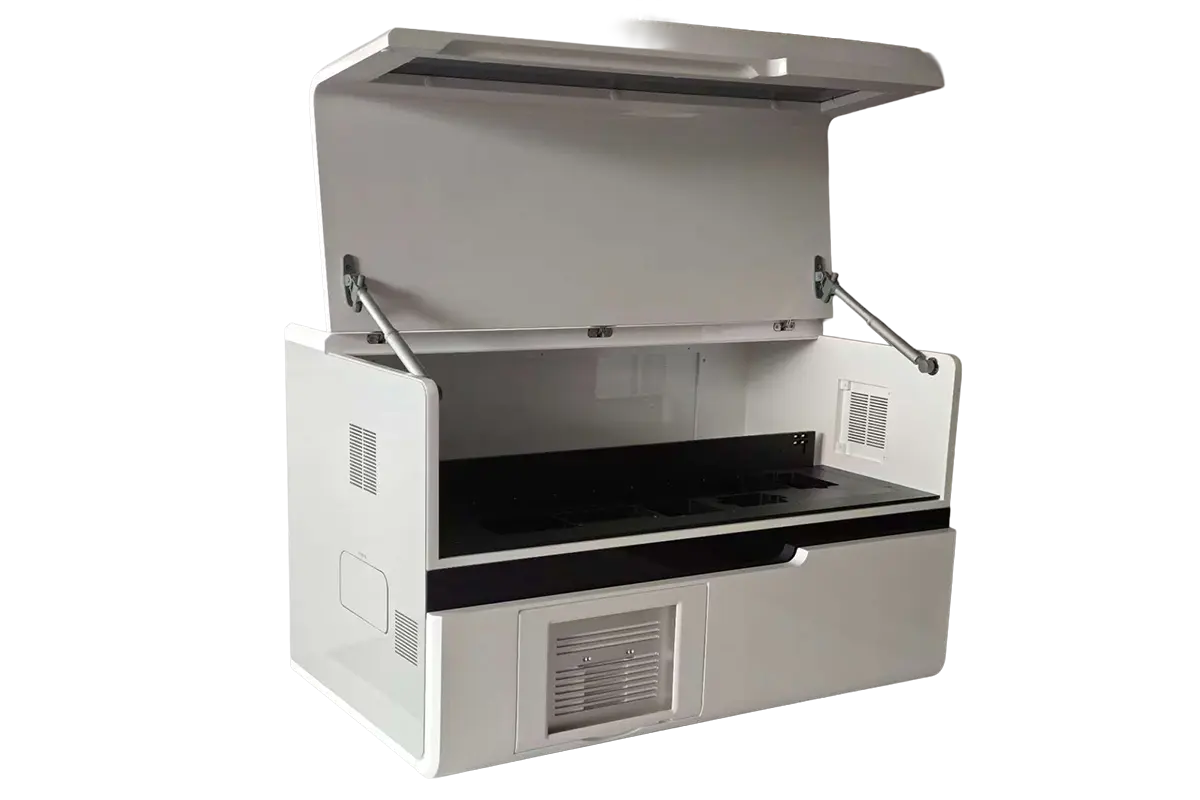
Medical Device Enclosures
We manufacture custom medical device enclosures for diagnostic, treatment, rehabilitation and monitoring equipment. Our team works around displays, electronics, internal frames, ventilation, service panels and installation interfaces.
- Diagnostic Equipment
- Treatment Systems
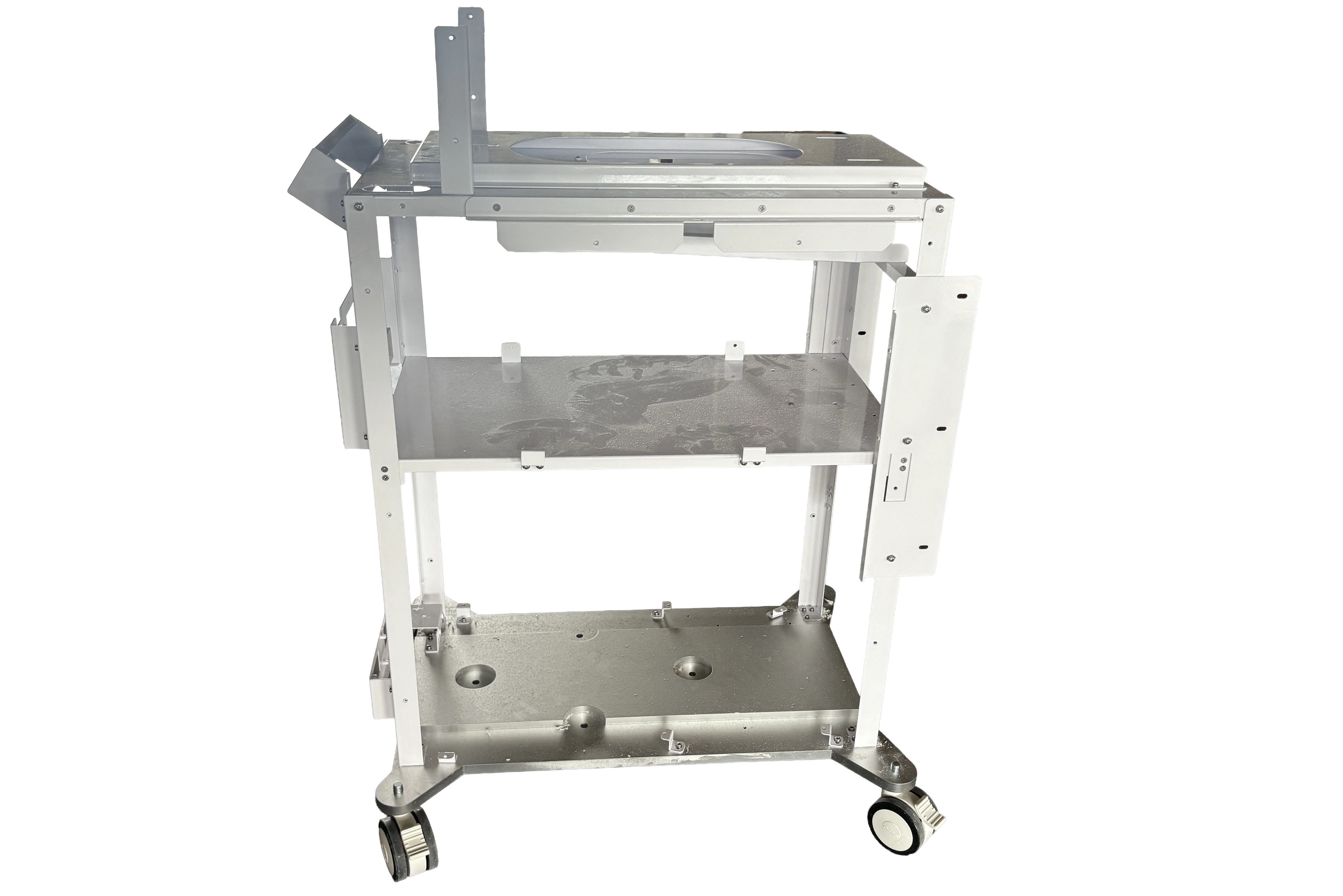
- Medical Carts
Equipment Enclosure Applications


Diagnostic Equipment Enclosures
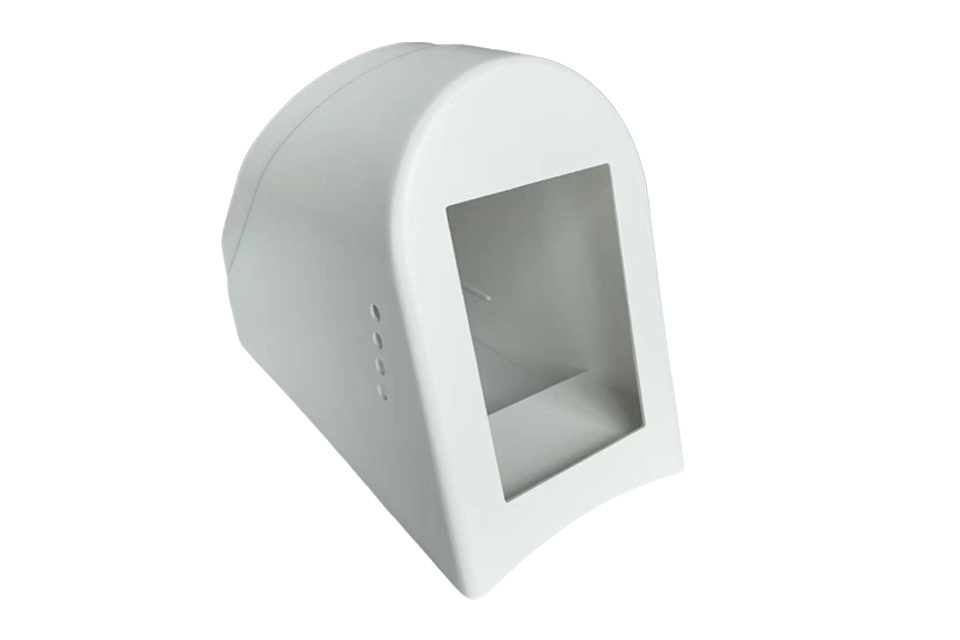
Custom housings for analyzers, screening equipment and diagnostic workstations, with controlled openings for displays, connectors, ventilation and service access.
- Analyzers
- Screening Systems
- Diagnostic Workstations


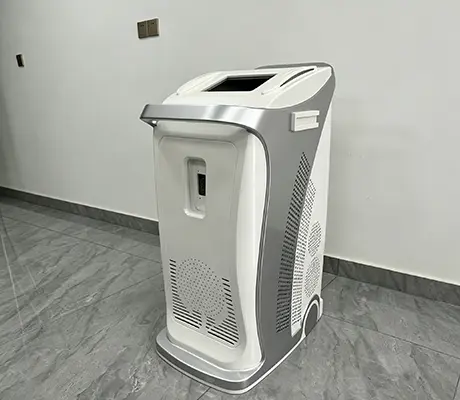
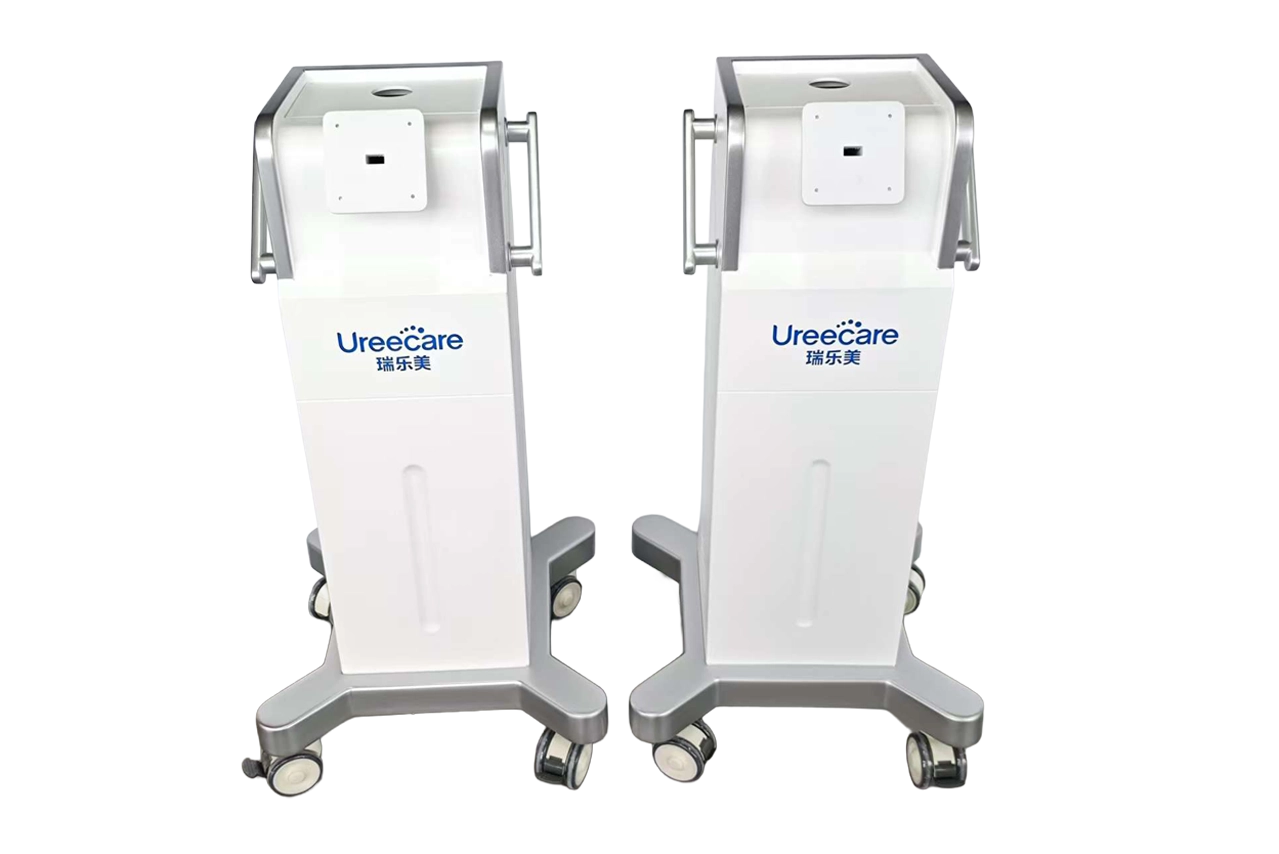
Beauty Device Enclosures
Custom housings for aesthetic and beauty equipment, developed around displays, controls, internal electronics, ventilation and user-facing surfaces.
- Aesthetic Equipment
- Beauty Devices
- Control Panels


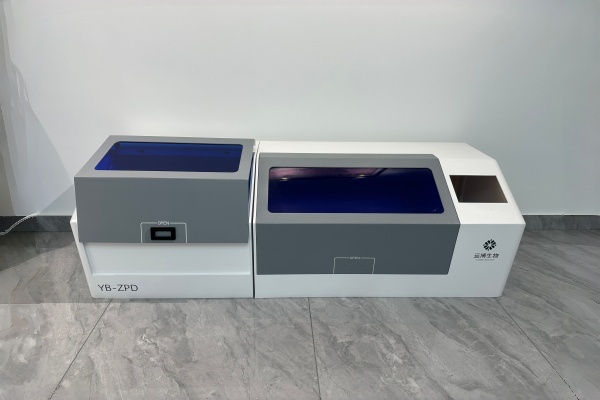
Laboratory Equipment Enclosures
Enclosures for pathology, sample preparation, testing and analytical equipment, developed around access panels, displays, connectors and internal mechanisms.
- Pathology
- Testing
- Analytical Equipment


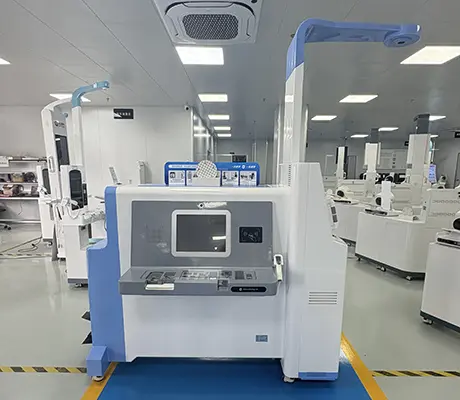
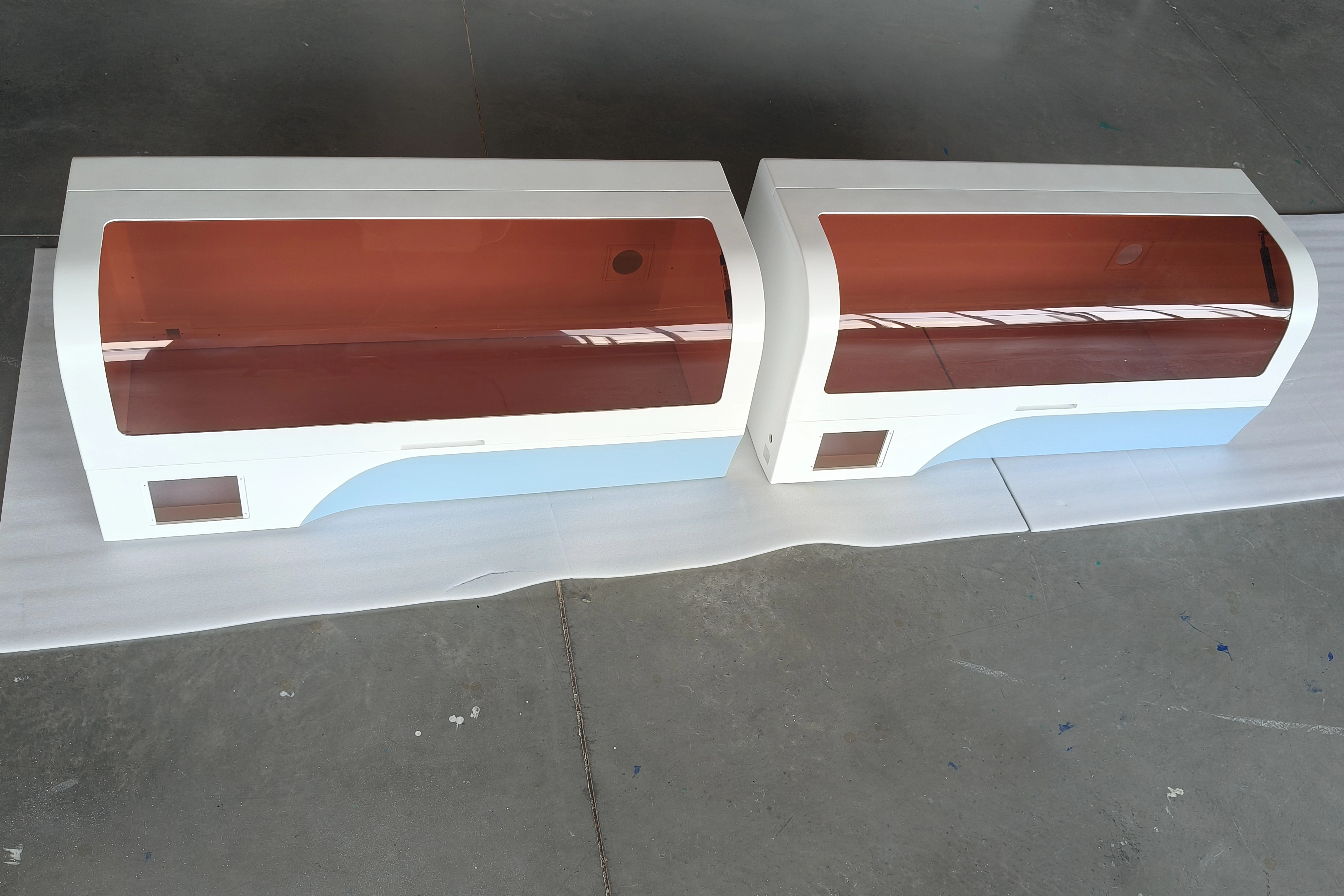
Large Medical Equipment Enclosures
Large-format plastic and metal housings for workstations, medical equipment kiosks and automated medical systems.
- Large Panels
- Workstations
- Medical Kiosks


Medical Cart and Workstation Enclosures
Mobile equipment housings developed around displays, handles, wheels, battery compartments, cable management and internal structures.
- Medical Equipment Carts
- Mobile Workstations
- Medical Equipment


Medical Robot Enclosures
Prototype and low-volume housings for medical robots, with support for curved panels, sensor openings, internal mounting and service access.
- Medical Robots
- Sensor Openings
- Prototype Housing
If your equipment does not fit one category, send the internal layout, overall dimensions, expected quantity and current project stage. We can review the project around its actual enclosure requirements.
Not Sure Which Enclosure Solution Fits Your Equipment?
Share your equipment type, internal layout, dimensions and quantity for an initial project review.
Enclosure Challenges We Address Before Production
The outside of an equipment enclosure is only one part of the project. Internal fit, access, manufacturing route, appearance and repeatability must be considered together.
Internal Component Integration
We review displays, electronics, cable routes, ventilation, mounting points, service panels and internal frames so that the housing can be assembled and maintained as intended.
Large Panels With Limited Volume
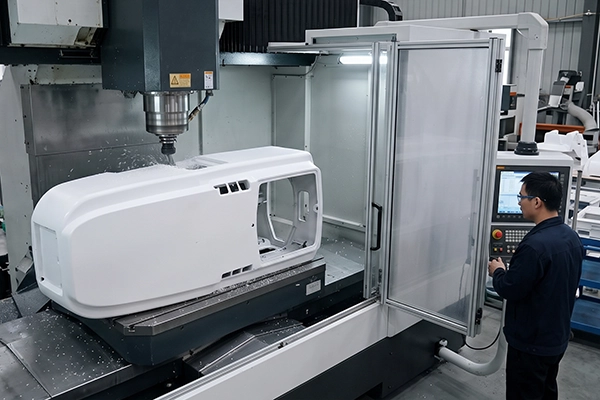
Large housings do not always justify high-cost injection tooling. We compare CNC prototypes, composite tooling and thick-sheet vacuum forming according to size, geometry and quantity.
Openings and Assembly Interfaces
Screen, connector, ventilation and mounting openings must align with the components behind them. The required interfaces should be identified before production.
Color, Texture and Surface Consistency
Color, texture, gloss, printing, panel gaps and visible surfaces are reviewed against the approved reference and agreed acceptance conditions.
Prototype-to-Production Continuity
Critical dimensions, materials, finishing requirements and inspection points should be documented before the project moves from prototype to repeat production.
Choose the Next Step for Your Enclosure Project
Different project stages require different support. Start with the route closest to your current need.
Our Design Is Still Developing
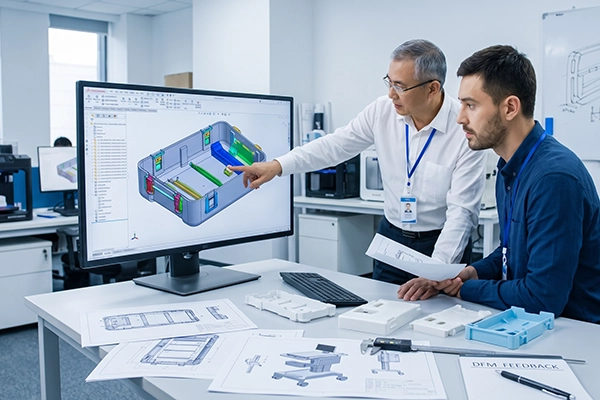
Start with a drawing review and DFM discussion to identify enclosure risks, interfaces and possible manufacturing routes.
Request a DFM ReviewWe Need a Prototype
Use a prototype to validate the exterior form, openings, internal fit, panel gaps and assembly before tooling.
Explore Rapid PrototypingWe Need a Large or Low-Volume Housing
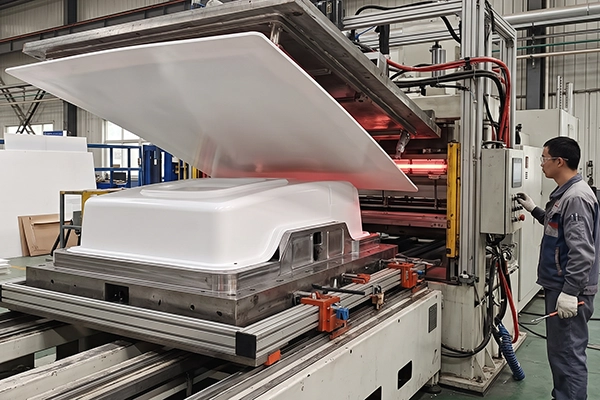
Compare thick-sheet vacuum forming, CNC trimming and supporting structures for large medical equipment panels.
View Manufacturing CapabilitiesOur Design Is Ready for Production
Send the drawings, quantity, finish and inspection requirements for a project-specific process review and quotation.
Upload Your DrawingsManufacturing Capabilities That Support Every Enclosure Type
The enclosure solution is selected first; manufacturing processes are then combined around the equipment, quantity and required result.
Design Review and DFM
Review part separation, openings, interfaces, visible surfaces and assembly sequence.
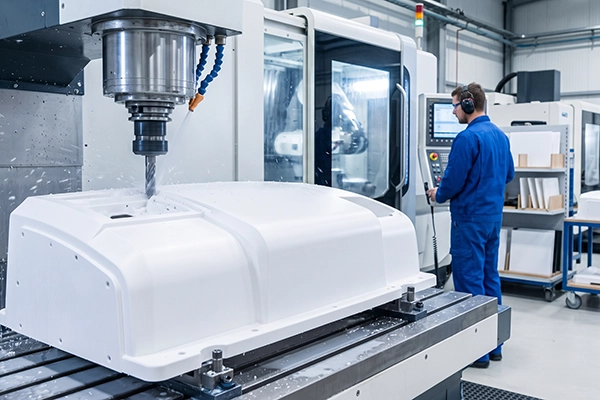
CNC Plastic Prototyping
Validate form, fit and function before tooling or repeat production.
Thick-Sheet Vacuum Forming
Produce large plastic panels for suitable low-to-medium volume projects.
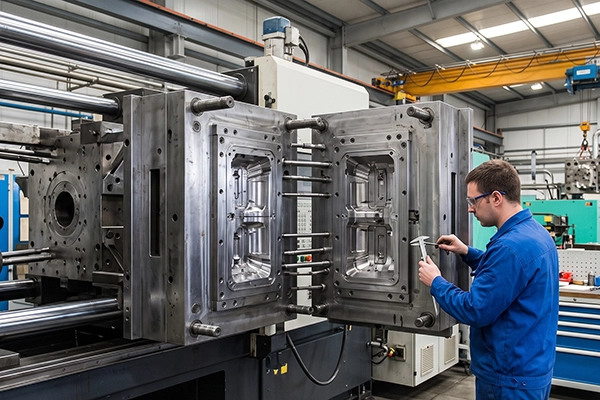
Tooling and Injection Molding
Support stable designs and repeat production where dedicated tooling is justified.
CNC Trimming and Precision Machining
Complete screen openings, vents, mounting features, molds and fixtures.
Surface Finishing, Printing and Assembly
Complete appearance treatment, markings, fitting and agreed inspection.
Start your enclosure project
How to Start Your Enclosure Project
Share your equipment requirements and current design stage. We will help identify the appropriate enclosure solution and next manufacturing step.
Share Your Requirements
Send the equipment type, available drawings, internal layout, enclosure dimensions and expected quantity.
Project informationSelect an Enclosure Solution
We review the equipment application, structure, appearance and production requirements to identify the appropriate enclosure direction.
Solution directionReview the Manufacturing Route
DFM, prototyping, forming, molding, CNC trimming and finishing are evaluated according to the project stage.
Process recommendationValidate and Move Into Production
After the enclosure structure and prototype are approved, the project proceeds to tooling, pilot production or repeat manufacturing.
Production next stepSelected Enclosure Projects
These projects show how forming, machining, finishing and assembly can be combined around the complete medical equipment housing
Introduction A Medical Device Enclosure has to do more than protect the equipment inside. For medical beauty and physiotherapy equipment,
Custom medical device enclosures protect sensitive internal components, support product operation, and shape how users interact with medical equipment. Unlike
At Zhongrongda, our engineering team has spent over 15 years manufacturing precision CNC-machined parts and enclosures for medical, robotics, and
Introduction The demand for intelligent medical service equipment is growing rapidly as hospitals, community healthcare centers, and physical examination facilities
Introduction: Why Medical Equipment Requires Professional Enclosure Manufacturing Medical devices are becoming increasingly sophisticated, requiring not only advanced electronics and
Introduction A professional Medical Device Enclosure requires much more than a protective external shell. For healthcare environments, equipment housings must
Upload 3D and 2D drawings, and we will provide a free process evaluation and quotation within 48 hours.
Frequently Asked Questions About Enclosure Solutions
FAQ
What types of equipment enclosures do you manufacture?
Answer:
We support custom enclosures for medical, diagnostic, laboratory, large equipment, medical carts, workstations, medical robots and beauty equipment. The exact scope depends on the drawings, components, quantity and required process.
Can you help us choose the right manufacturing process?
Answer:
Yes. We review enclosure size, geometry, material, quantity, surface requirements and design maturity before recommending prototyping, vacuum forming, molding, CNC trimming or a combined route.
Can you work with our existing internal structure?
Answer:
Yes, provided that accurate frame data and interface requirements are available. Fit can be checked against a supplied frame, fixture, approved sample or agreed digital reference.
Can you manufacture large equipment housings?
Answer:
Large housings can be evaluated for thick-sheet vacuum forming, CNC prototyping, molded sections or a mixed-process route. Feasibility depends on panel size, geometry, quantity and finish.
Can you provide prototypes before tooling?
Answer:
Yes. Prototypes can be used to check exterior form, openings, component fit, panel gaps and assembly before production tooling.
Can you provide finishing and assembly?
Answer:
Painting, texture, printing, hardware fitting, panel assembly and trial fitting can be evaluated as part of the agreed enclosure scope.
What should we send for an initial review?
Answer:
Send available 3D and 2D drawings, overall dimensions, internal layout, expected quantity, project stage, material or finish requirements and any critical interfaces.
Can you sign an NDA before receiving detailed drawings?
Answer:
A mutual or customer-provided NDA can be reviewed before detailed drawings are exchanged. Permission to publish project images and product information should be agreed separately.
What inspection documents are available?
Answer:
Depending on the project, available documents may include dimensional inspection records, material documentation, first-article records and final inspection records. Required documentation should be listed in the request for quotation.
How long does a medical enclosure manufacturing project take?
Answer:
Timing depends on design maturity, prototype requirements, enclosure size, tooling, finishing, assembly and quantity. A project-specific schedule is provided after the drawings and supply scope have been reviewed.