Medical Enclosure Manufacturing From Prototype to Production
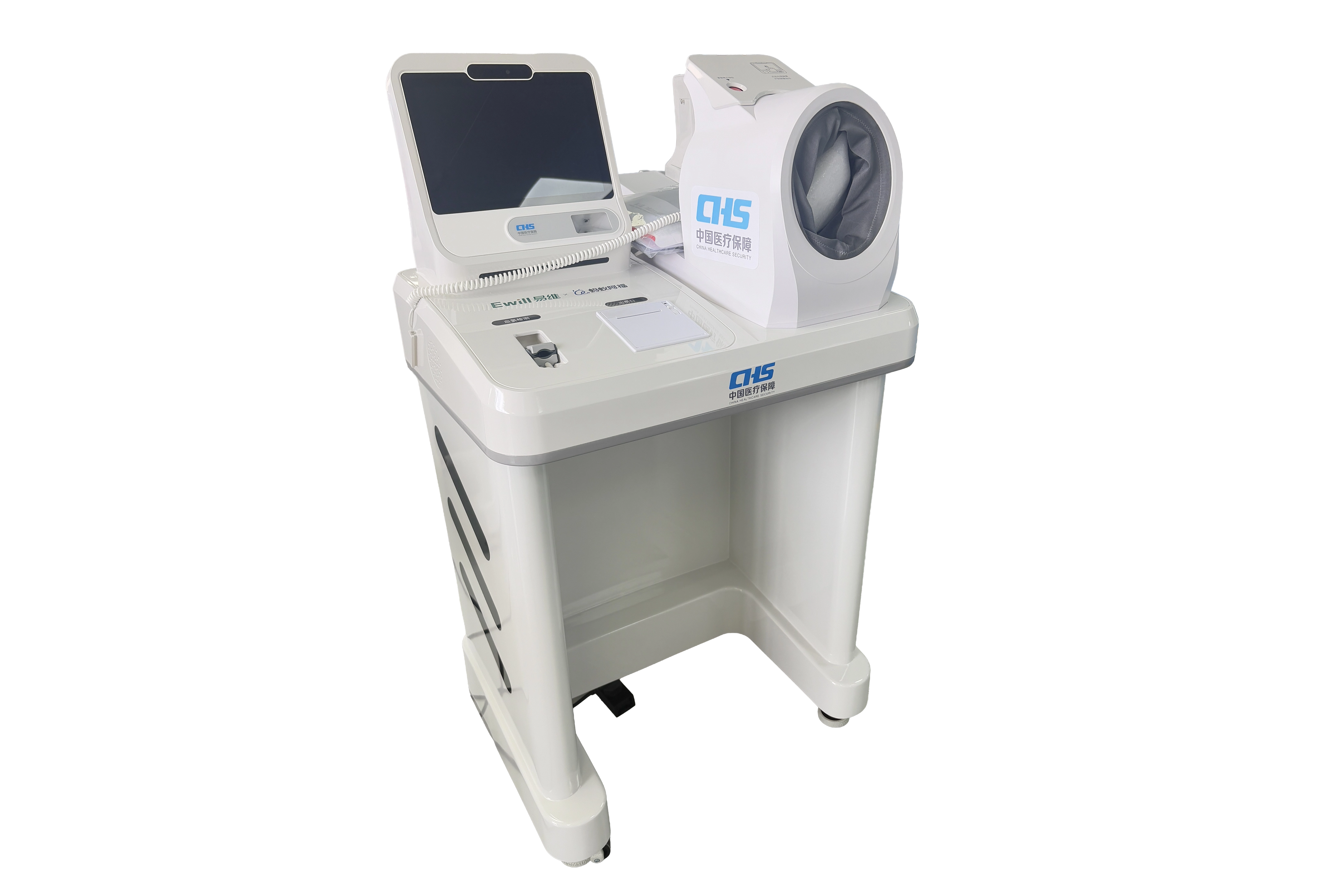
ZRD supports medical equipment enclosure projects through design review, prototyping, vacuum forming, tooling, molding, CNC trimming, surface finishing, printing, assembly and inspection.
One Manufacturing Route Built Around the Complete Enclosure
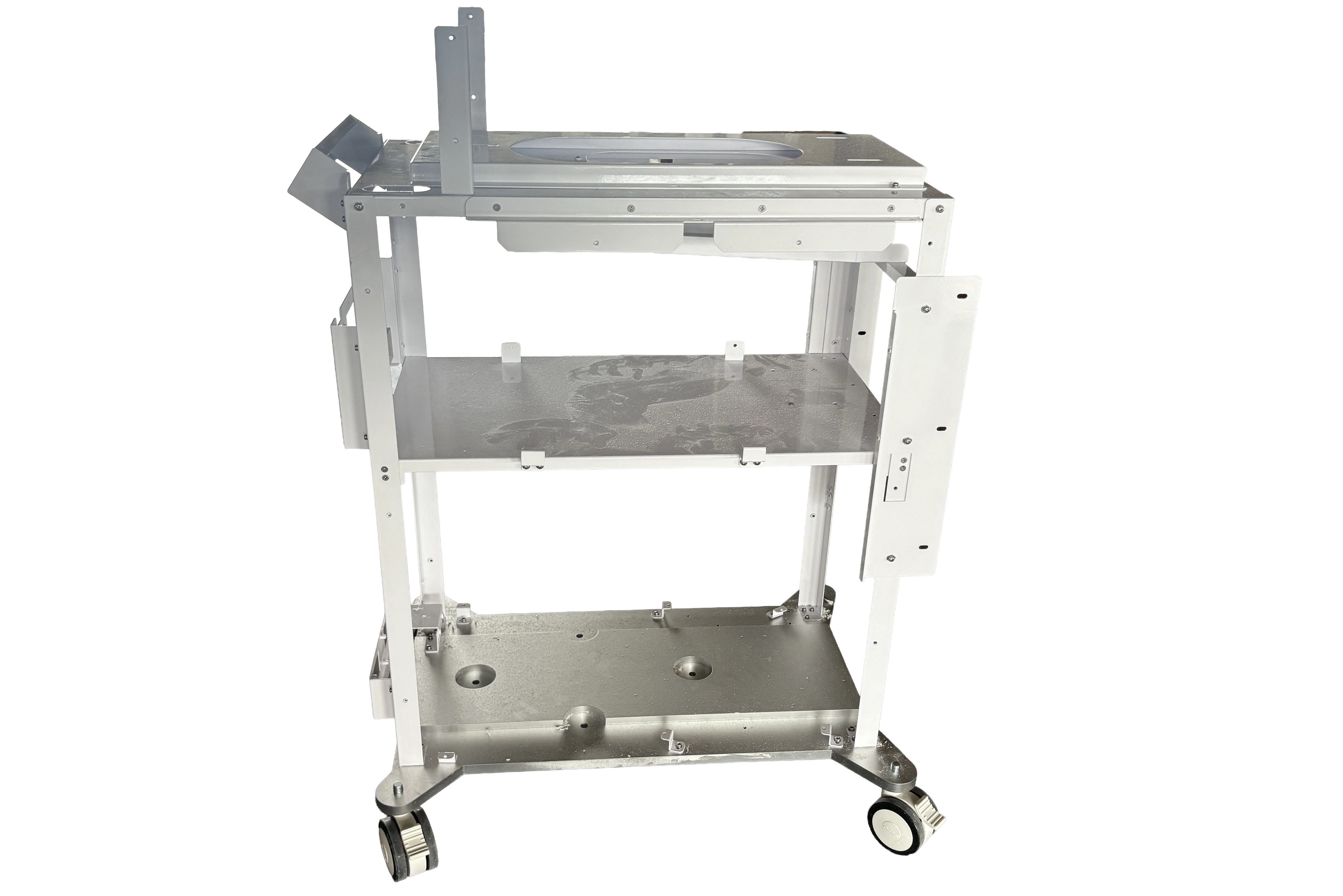
A medical equipment enclosure is not a collection of unrelated plastic panels. Its exterior surfaces, internal frame, display, electronics, connectors, ventilation, access panels and mounting features must work together as one system.
Our engineering and manufacturing teams review these relationships before selecting the process. Depending on the project, the route may combine CNC prototypes, formed or molded panels, precision trimming, supporting metal components, finishing and trial assembly.
The exact supply scope is confirmed for each project. Customers can engage ZRD for a single manufacturing stage or for a coordinated enclosure workflow from prototype validation to production delivery.


Medical enclosure manufacturing capabilities
Core Manufacturing Capabilities for Medical Enclosures
Each capability supports a specific enclosure requirement. Processes can be used individually or combined into one approved manufacturing route.

Design Review & DFM
Identify enclosure risks before they affect tooling, assembly or production.
- Part Separation
- Interfaces
- Assembly


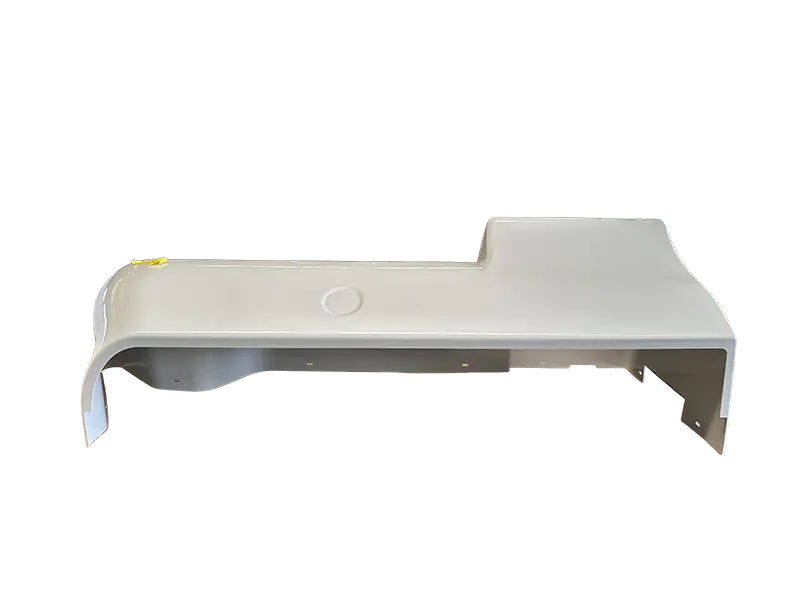
CNC Plastic Prototyping
Tool-free prototypes for checking form, fit, openings and assembly.
- Design Validation
- Fit Check
- Low Quantity


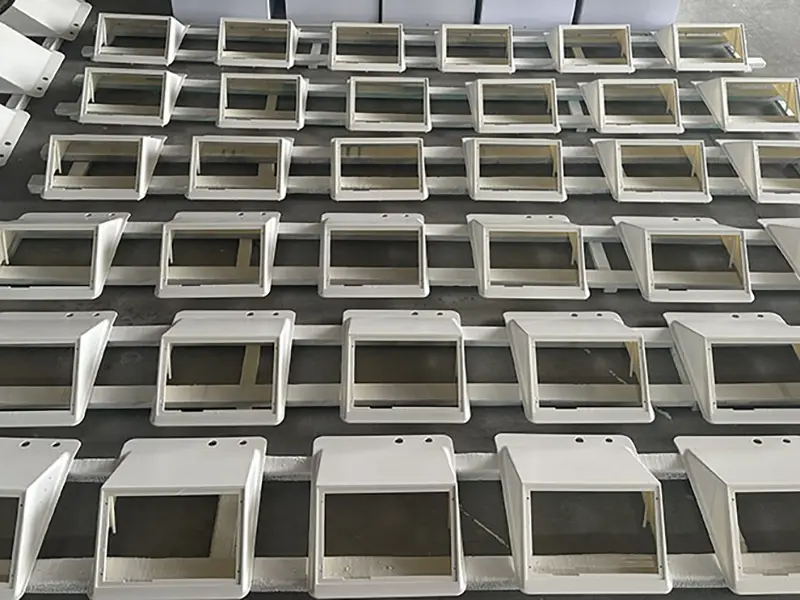
Thick-Sheet Vacuum Forming
A practical manufacturing route for large medical equipment panels.
- Large Panels
- Lower Tooling Cost
- Low-to-Medium Volume


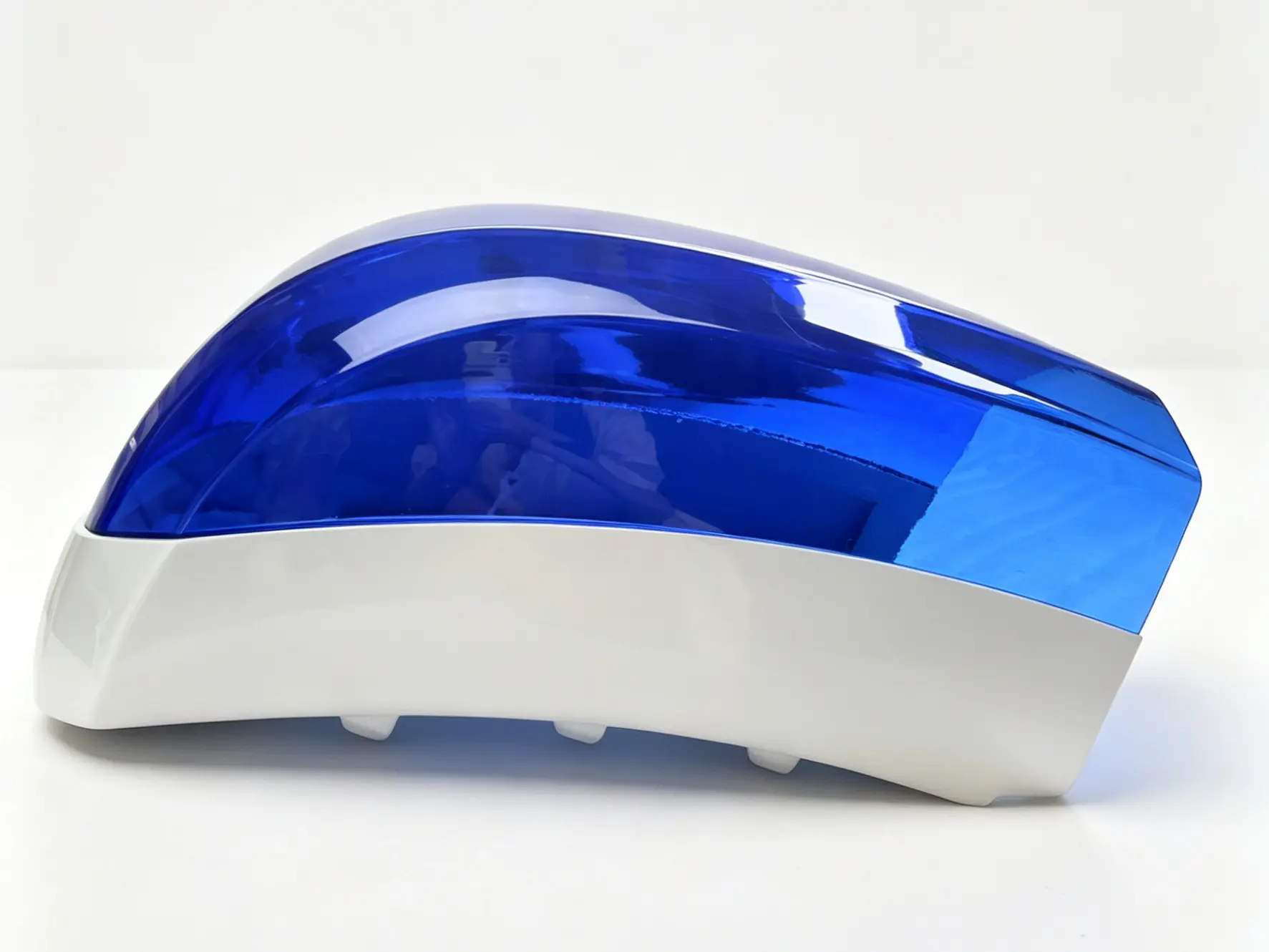
Tooling & Injection Molding
Repeatable molded production for stable enclosure designs and components.
- Stable Design
- Repeat Orders
- Molded Components


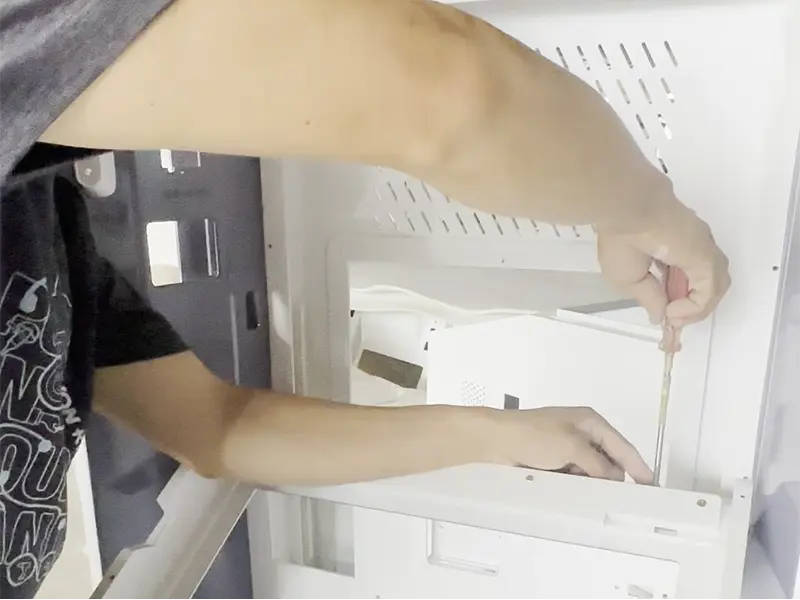
CNC Trimming & Precision Machining
Accurate openings and interfaces for formed medical enclosure panels.
- Screen Openings
- Ventilation
- Mounting Features


Finishing, Printing & Assembly
Complete the enclosure appearance and verify the final panel fit.
- Painting
- Silk-Screen Printing
- Trial Assembly
Capability 01
Design Review & DFM
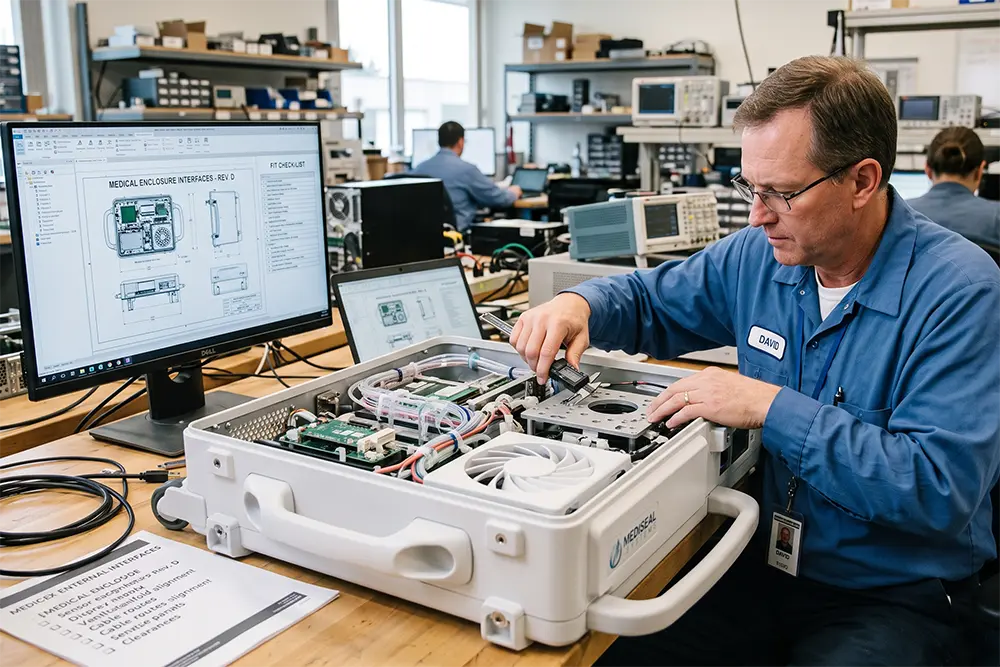
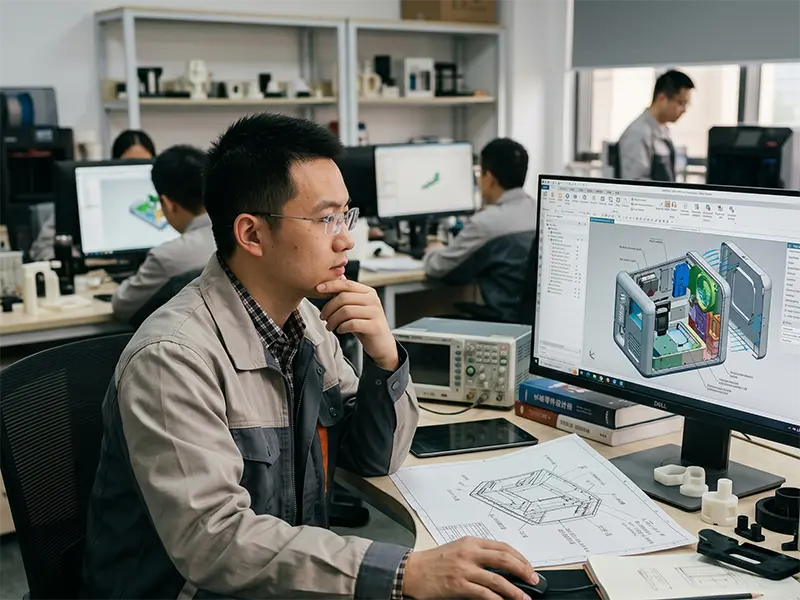
We review customer-provided drawings for part separation, wall transitions, mounting points, openings, process access, visible surfaces and assembly sequence. The review focuses on features that may affect manufacturability, fit, cost and repeatability.
What we review
- Panel separation and joining method
- Display, connector and ventilation openings
- Internal frame and mounting interfaces
- Fastener locations and service access
- Visible surfaces and assembly sequence
Best for: Projects that need manufacturing feedback before prototyping or tooling.
Request a DFM ReviewCapability 02
CNC Plastic Prototyping
CNC-machined plastic prototypes help verify the medical enclosure before production tooling. They are particularly useful when the internal layout or exterior design may still change.
What it can validate
- Overall enclosure form and dimensions
- Display and control-panel openings
- Mounting points and internal clearances
- Panel relationships and assembly gaps
- Initial appearance direction
Best for: Design validation, functional prototypes and limited quantities.
Explore Rapid PrototypingCapability 03
Thick-Sheet Vacuum Forming
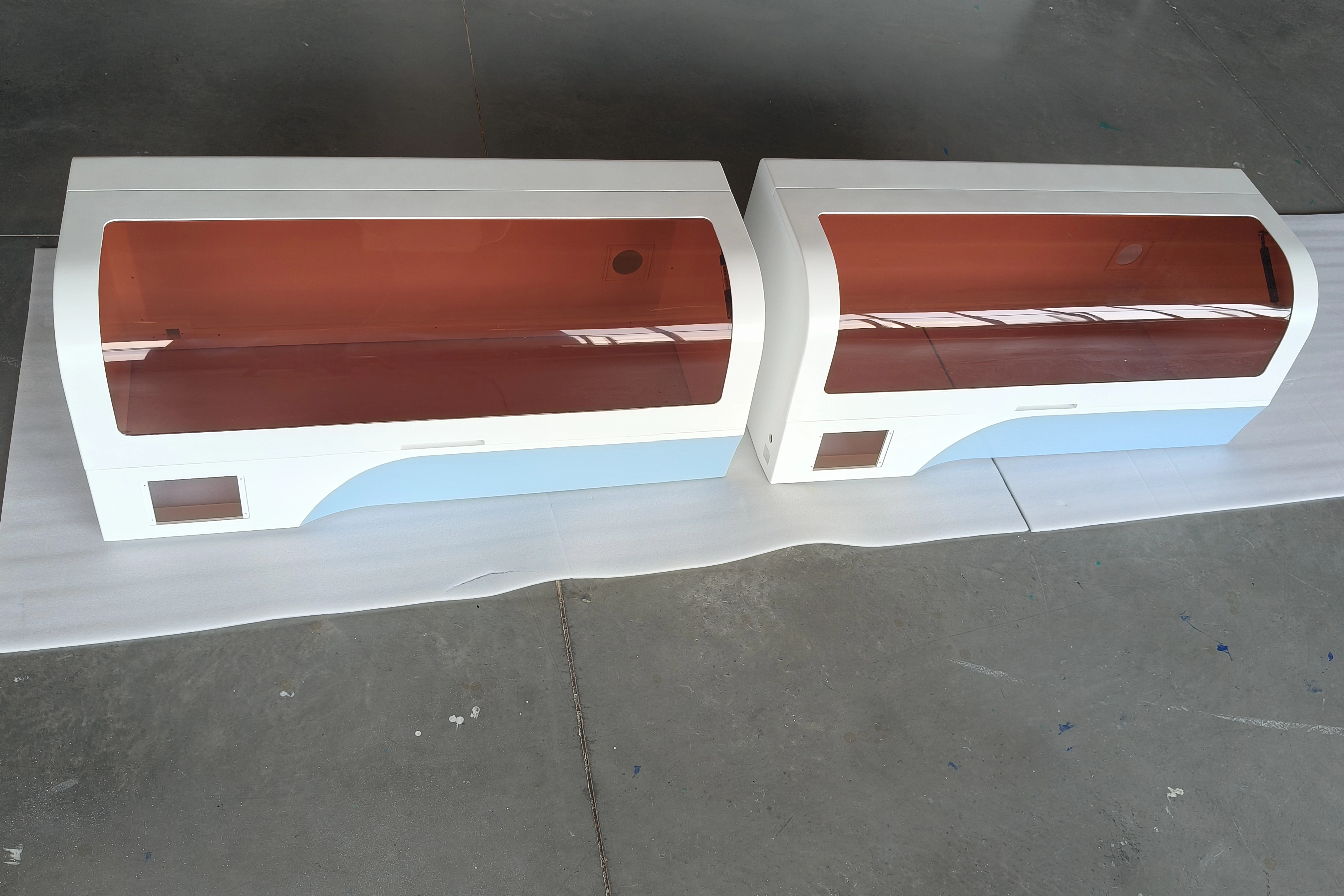
Thick-sheet vacuum forming can reduce tooling investment for large plastic housings and low-to-medium production quantities. After forming, panels can be trimmed, drilled, finished and fitted according to the approved project requirements.
Typical applications
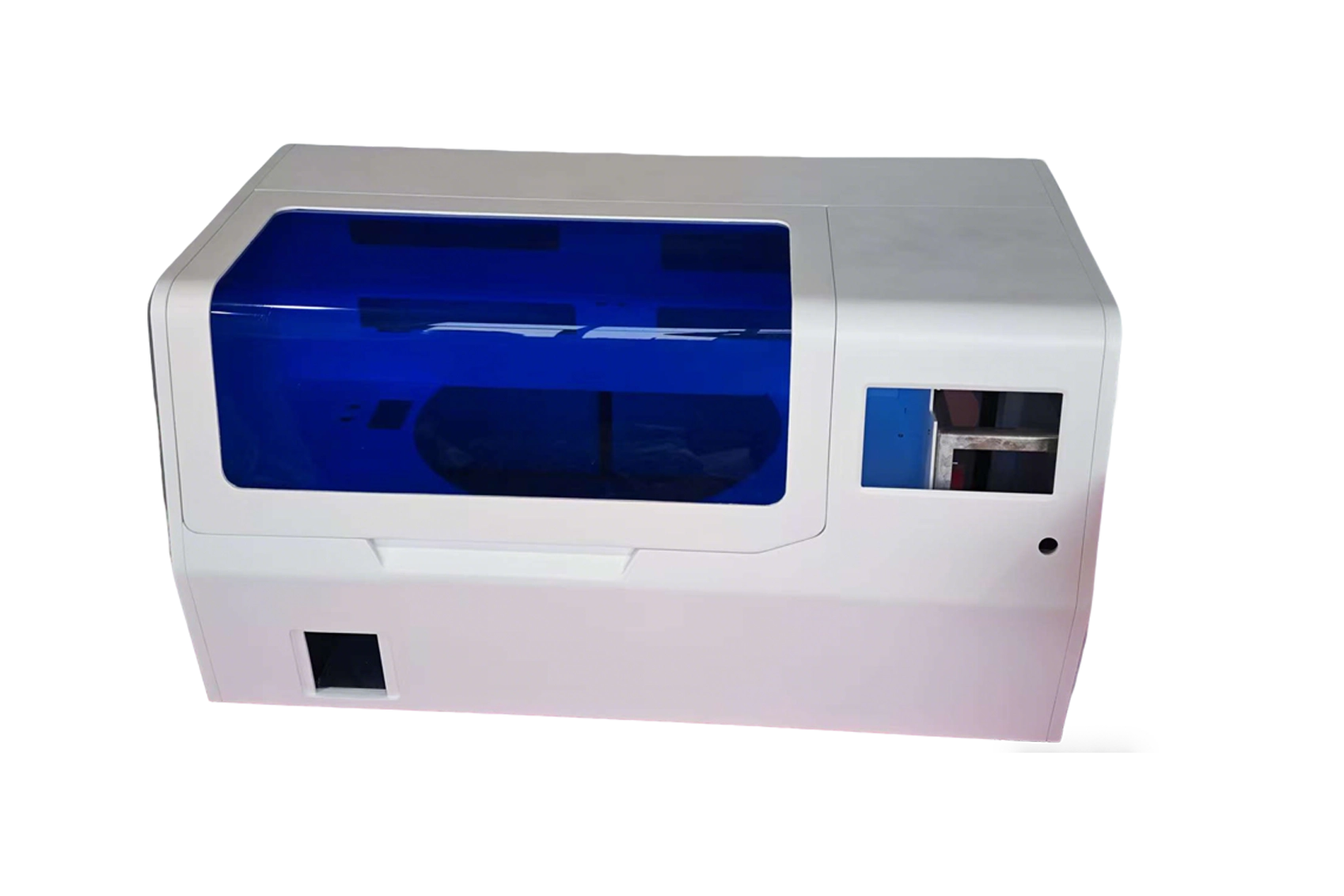
- Large diagnostic equipment panels
- Medical cart and workstation housings
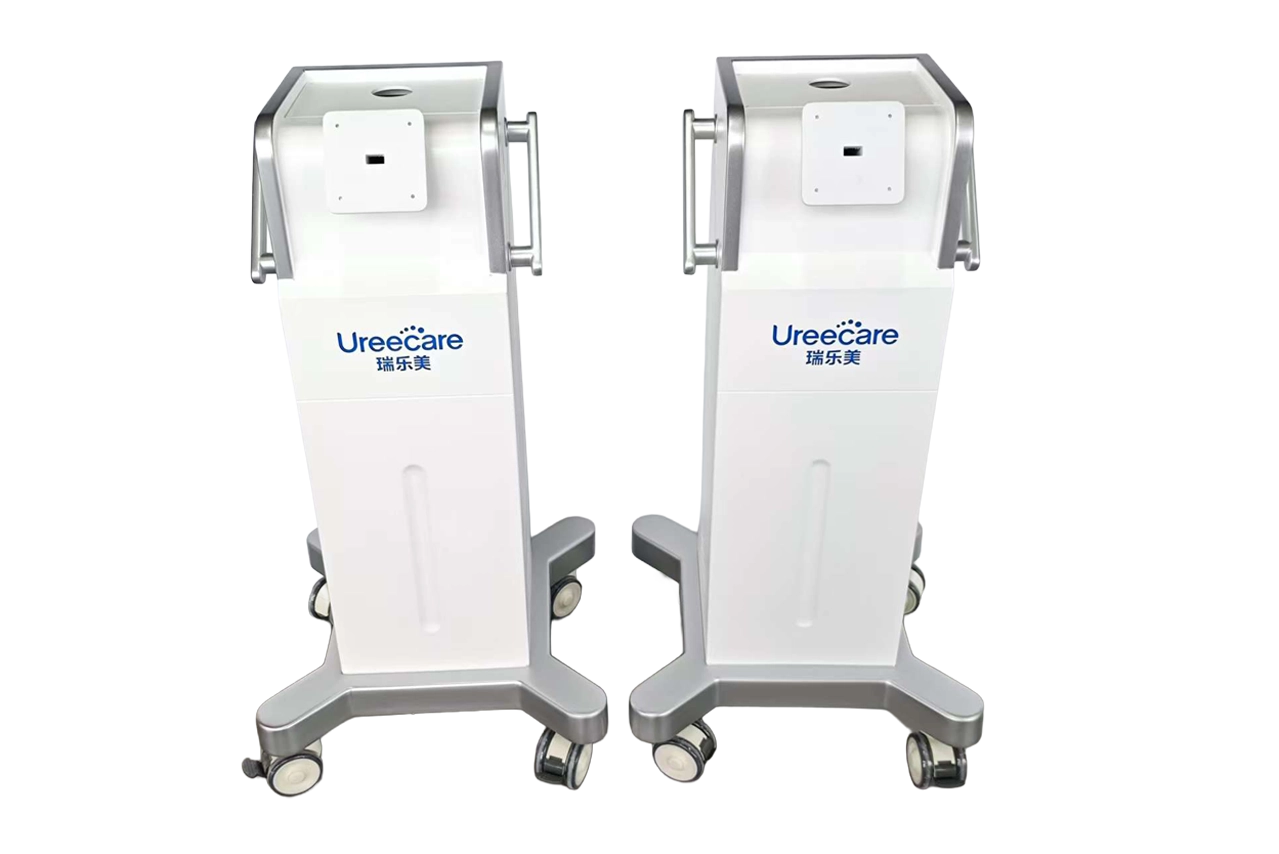
- Therapy and rehabilitation covers
- Health kiosk housings
- Large front, rear and side panels
Best for: Large panels and low-to-medium volume production.
View a Formed Enclosure ProjectCapability 04
Tooling & Injection Molding
Injection molding can be evaluated when the enclosure design is stable and the expected production volume supports dedicated tooling. It is commonly considered for smaller panels, control components, covers and repeat-production plastic parts.
Engineering focus
- Part geometry and wall thickness
- Draft, ribs and mounting bosses
- Parting lines and gate considerations
- Visible-surface requirements
- Quantity and tooling investment
Best for: Stable designs, repeat orders and molded components.
Discuss Tooling RequirementsCapability 05
CNC Trimming & Precision Machining
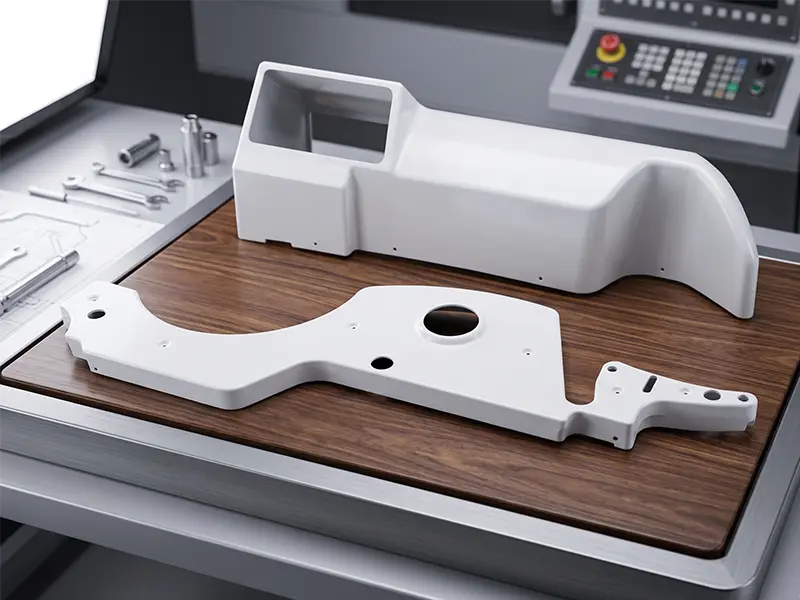
CNC machining completes critical enclosure features after forming and can also support related molds, fixtures and precision components. Three-axis and five-axis machining are selected according to geometry and access requirements.
Typical machining features
- Display and touchscreen openings
- Connector and control-panel cutouts
- Ventilation slots and fan openings
- Mounting holes and locating features
- Panel edges and assembly interfaces
Best for: Formed panels, critical openings, molds and fixtures.
Upload Your Enclosure DrawingCapability 06
Finishing, Printing & Assembly
Visible medical equipment housings may require controlled color, texture, gloss, printing and panel alignment. These requirements are reviewed against customer specifications, color references or approved samples before production.
Available project scope
- Painting, coating, texture and gloss
- Silk-screen printing and markings
- Threaded inserts and hardware fitting
- Panel and component assembly
- Trial fitting and final inspection
Best for: Finished panel sets and projects requiring coordinated appearance treatment.
Discuss Finish and AssemblyWhat We Need to Review Your Enclosure Project
Complete information helps us identify interface risks and compare manufacturing routes. If some information is not yet available, tell us which items are still under development.
1. 3D and 2D Design Files
Available enclosure models, panel drawings, internal frame data and drawings for components that must align with the housing.
Recommended Formats: STEP, STP, IGES, X_T, STL, DWG and PDF.
2. Equipment and Internal Layout
Explain what the equipment does and identify displays, connectors, electronics, ventilation, moving parts and service-access requirements.
3. Enclosure Size and Quantity
Provide the approximate overall dimensions, prototype quantity, first production quantity and expected repeat or annual quantity.
4. Material and Appearance Requirements
List known material preferences, color references, texture, gloss, printing, visible surfaces and any specified cleaning or environmental exposure.
5. Project Stage and Target Timing
Confirm whether the project is at concept, design, prototype, pilot-production or production-transfer stage and state the required milestone date.
6. Inspection and Documentation
List required inspection reports, material documents, first-article records, packaging requirements and any customer-specific supplier documentation.
Confidentiality: A mutual or customer-provided NDA can be reviewed before detailed drawings are exchanged.
Medical enclosure manufacturing workflow
How We Move a Medical Enclosure Into Production
A clear route from drawing review and process planning to production, inspection and delivery.
-
01
Requirements & File Review
Confirm drawings, dimensions, quantity and supply scope.
-
02
DFM & Process Planning
Review risks and recommend the manufacturing route.
-
03
Quotation & Scope
Define material, tooling, finishing and project scope.
-
04
Prototype Validation
Check form, openings, interfaces, gaps and component fit.
-
05
Tooling & Pilot Run
Confirm tooling, fixtures, samples and inspection points.
-
06
Production & Finishing
Form, trim, finish, print and assemble the enclosure.
-
07
Inspection & Delivery
Inspect against approved requirements, then pack and ship.
How We Move a Medical Enclosure Into Production
The exact workflow is adjusted to the project, but the following stages provide a clear route from initial review to delivery.


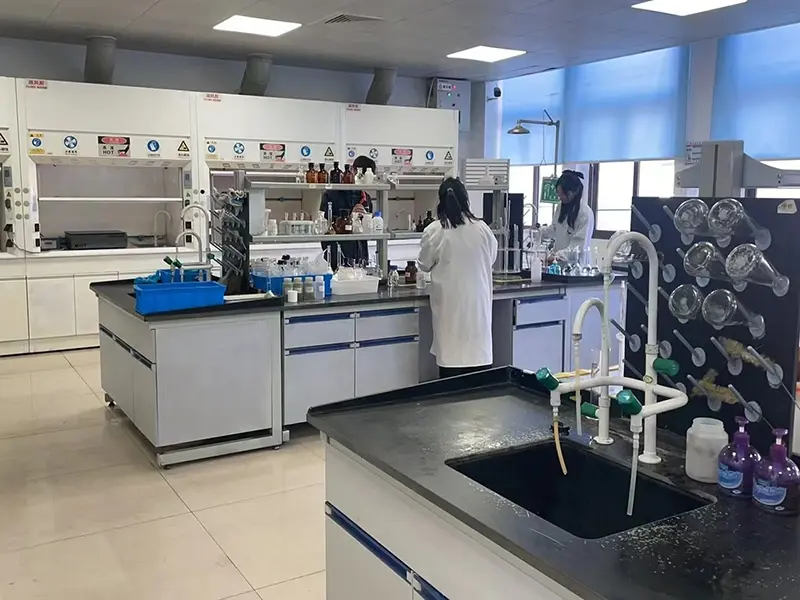
Material and Incoming Inspection
Check incoming materials and supplied components against purchasing and project requirements before production.
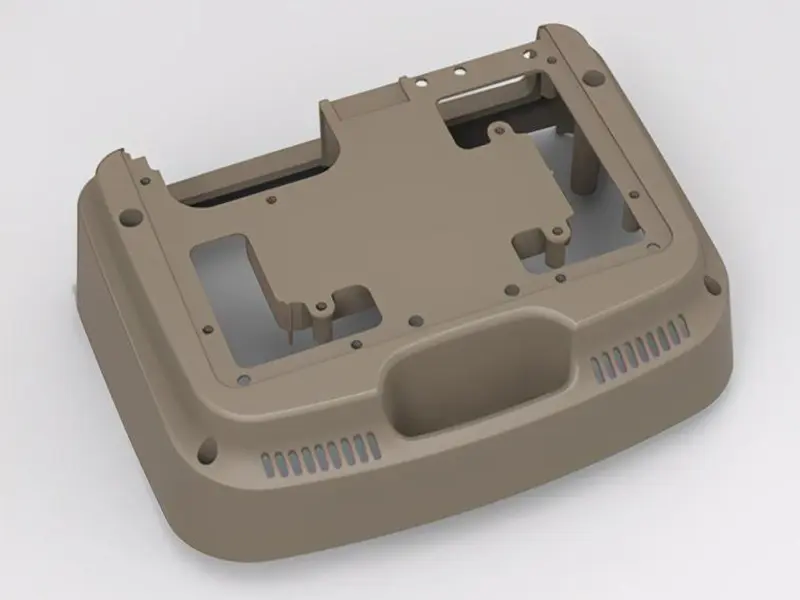

Critical Dimensions and Openings
Inspect mounting points, screen and connector openings, panel interfaces and other dimensions that directly affect assembly.
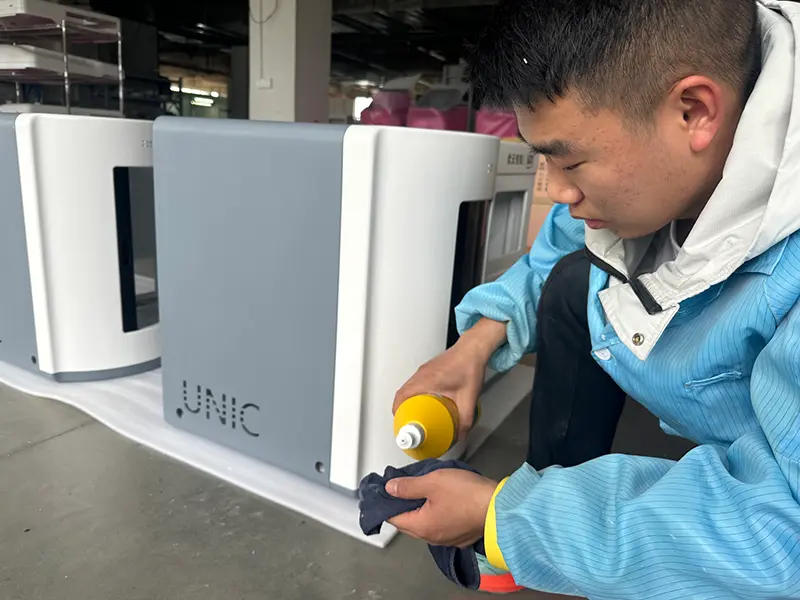

Surface and Appearance Review
Review agreed color, texture, gloss, printing, visible surfaces and panel-to-panel consistency against the approved reference.
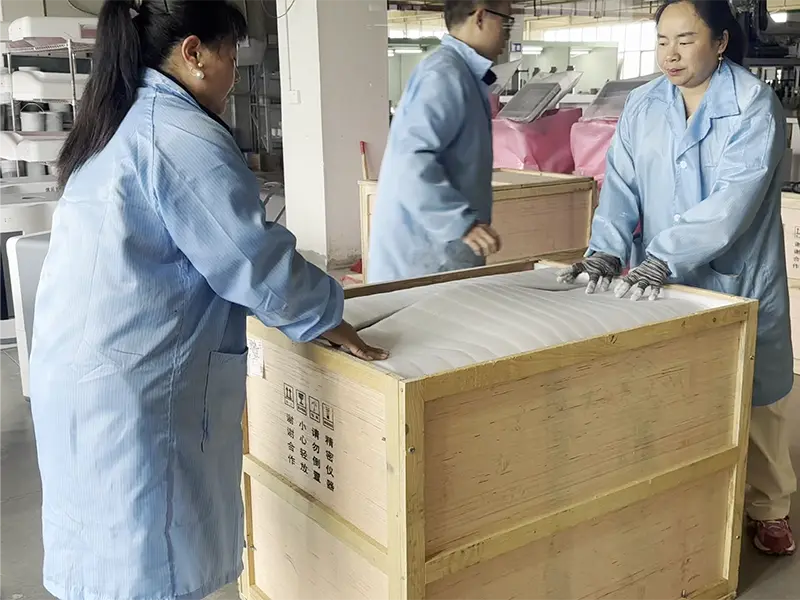

Trial Assembly and Final Inspection
Where assembly is included, check gaps, alignment, access and agreed interfaces before final packaging.
Available documentation may include dimensional inspection records, material documentation, first-article records and final inspection records. Required documents must be confirmed before quotation.
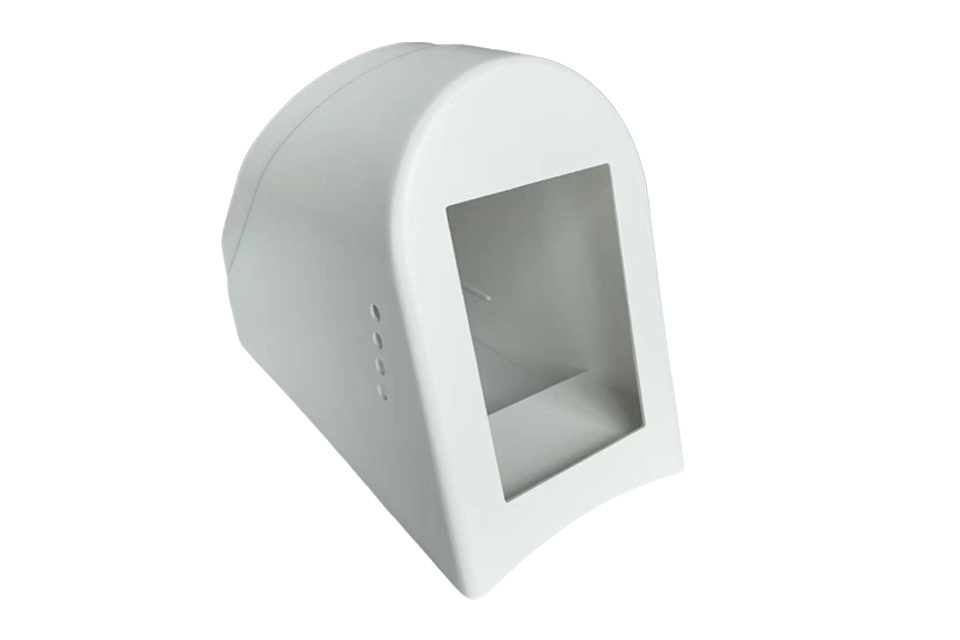
Medical Enclosure Projects Using Multiple Manufacturing Processes
These projects show how forming, machining, finishing and assembly can be combined around the complete medical equipment housing
Introduction A Medical Device Enclosure has to do more than protect the equipment inside. For medical beauty and physiotherapy equipment,
Custom medical device enclosures protect sensitive internal components, support product operation, and shape how users interact with medical equipment. Unlike
At Zhongrongda, our engineering team has spent over 15 years manufacturing precision CNC-machined parts and enclosures for medical, robotics, and
Introduction The demand for intelligent medical service equipment is growing rapidly as hospitals, community healthcare centers, and physical examination facilities
Introduction: Why Medical Equipment Requires Professional Enclosure Manufacturing Medical devices are becoming increasingly sophisticated, requiring not only advanced electronics and
Introduction A professional Medical Device Enclosure requires much more than a protective external shell. For healthcare environments, equipment housings must
Upload 3D and 2D drawings, and we will provide a free process evaluation and quotation within 48 hours.
Frequently Asked Questions About Medical Enclosure Manufacturing
FAQ
Can you recommend the right process if we are not sure what to use?
Answer:
Yes. We review the enclosure size, geometry, material, quantity, appearance requirements and design maturity before recommending a prototype or production route. A final recommendation requires review of the available drawings.
Can you manufacture a prototype before we invest in tooling?
Answer:
Yes. CNC plastic prototypes can be used to check overall form, openings, mounting interfaces and assembly before production tooling. The prototype method depends on the design, material and quantity.
Which process is suitable for a large medical equipment enclosure?
Answer:
Large housings are often evaluated for CNC prototyping or thick-sheet vacuum forming. The correct route depends on panel dimensions, geometry, draw depth, quantity, surface requirements and expected design changes.
What is CNC trimming used for on a medical enclosure?
Answer:
CNC trimming is used to complete accurate screen openings, connector cutouts, ventilation features, access panels, mounting holes and panel edges after forming
Can you work with our existing internal metal frame?
Answer:
Yes, provided that accurate frame data and interface requirements are available. Trial fitting may be completed against a supplied frame, fixture, approved sample or agreed digital reference.
Can you provide painting, printing and assembly?
Answer:
These services can be evaluated as part of the enclosure scope. Color, texture, gloss, printing, supplied components and assembly responsibility should be defined before quotation.
Can one enclosure use more than one manufacturing process?
Answer:
Yes. A complete housing may combine vacuum-formed or molded panels, CNC-machined interfaces, metal structures, inserts, finishing and assembly. The route is selected around the complete equipment system.
What tolerances can you achieve?
Answer:
Tolerance depends on the material, process, part size, geometry and feature being measured. Critical dimensions should be identified on the drawing so that feasibility and the inspection method can be reviewed before quotation.
What inspection documents are available?
Answer:
Depending on the project, available documents may include dimensional inspection records, material documentation, first-article records and final inspection records. Required documentation should be listed in the request for quotation.
How long does a medical enclosure manufacturing project take?
Answer:
Timing depends on design maturity, prototype requirements, enclosure size, tooling, finishing, assembly and quantity. A project-specific schedule is provided after the drawings and supply scope have been reviewed.