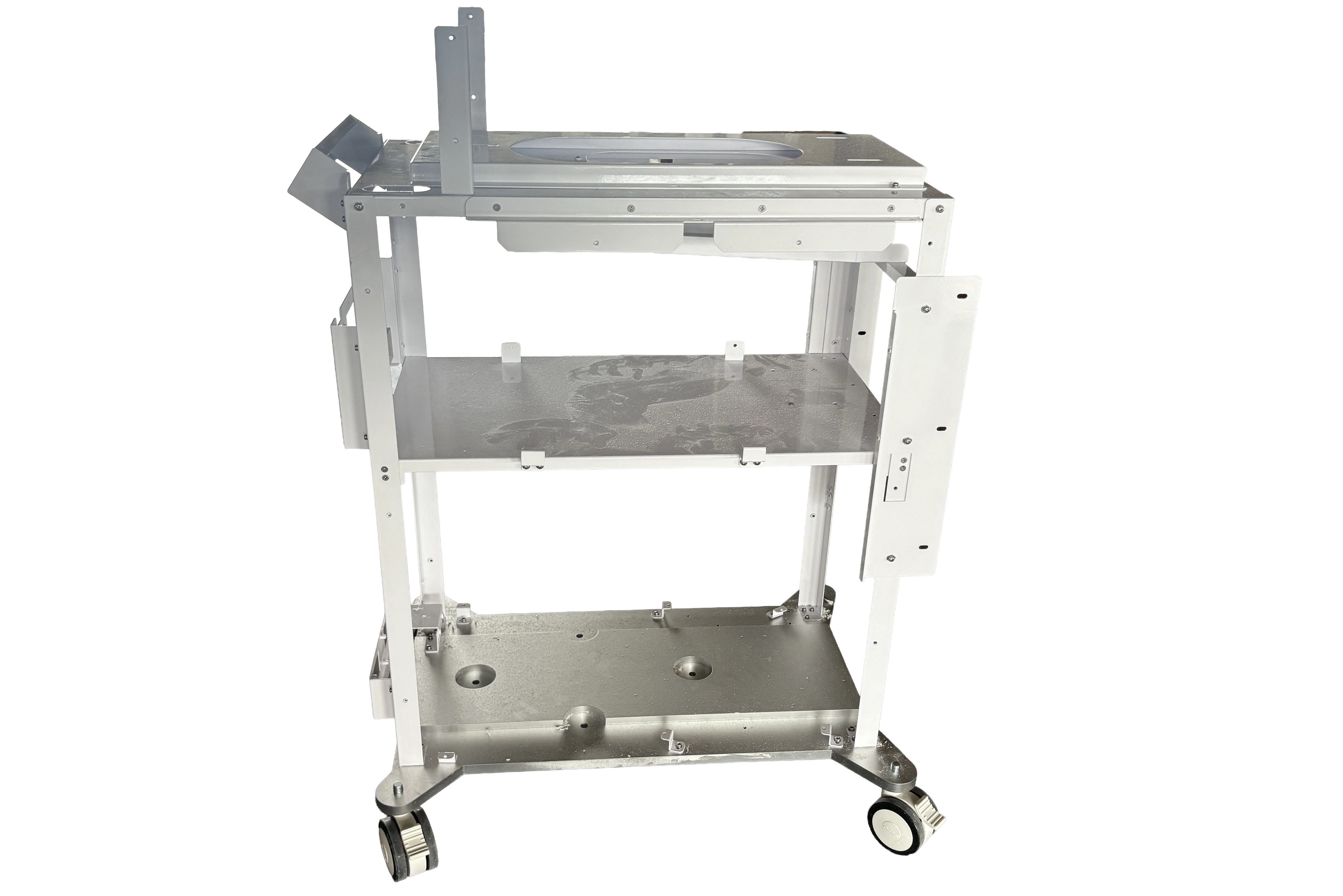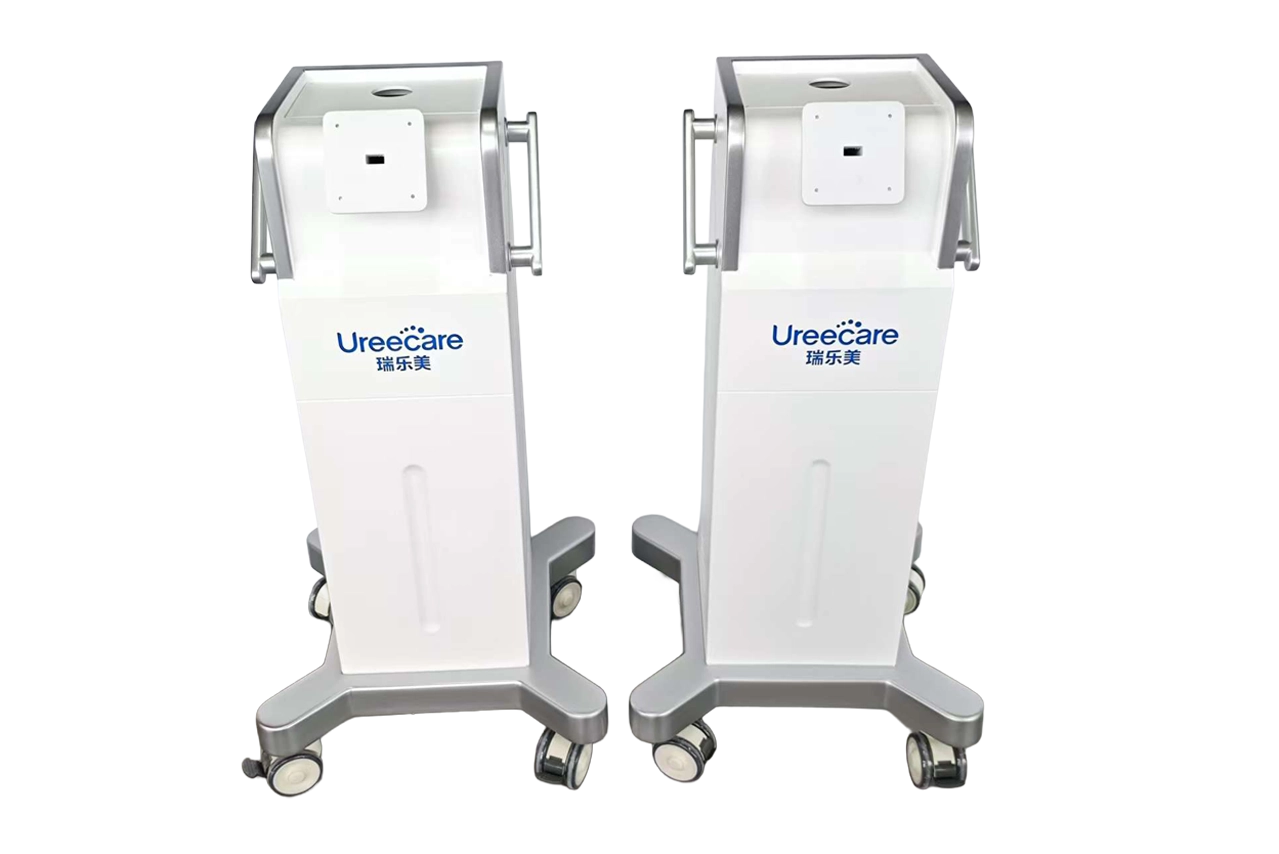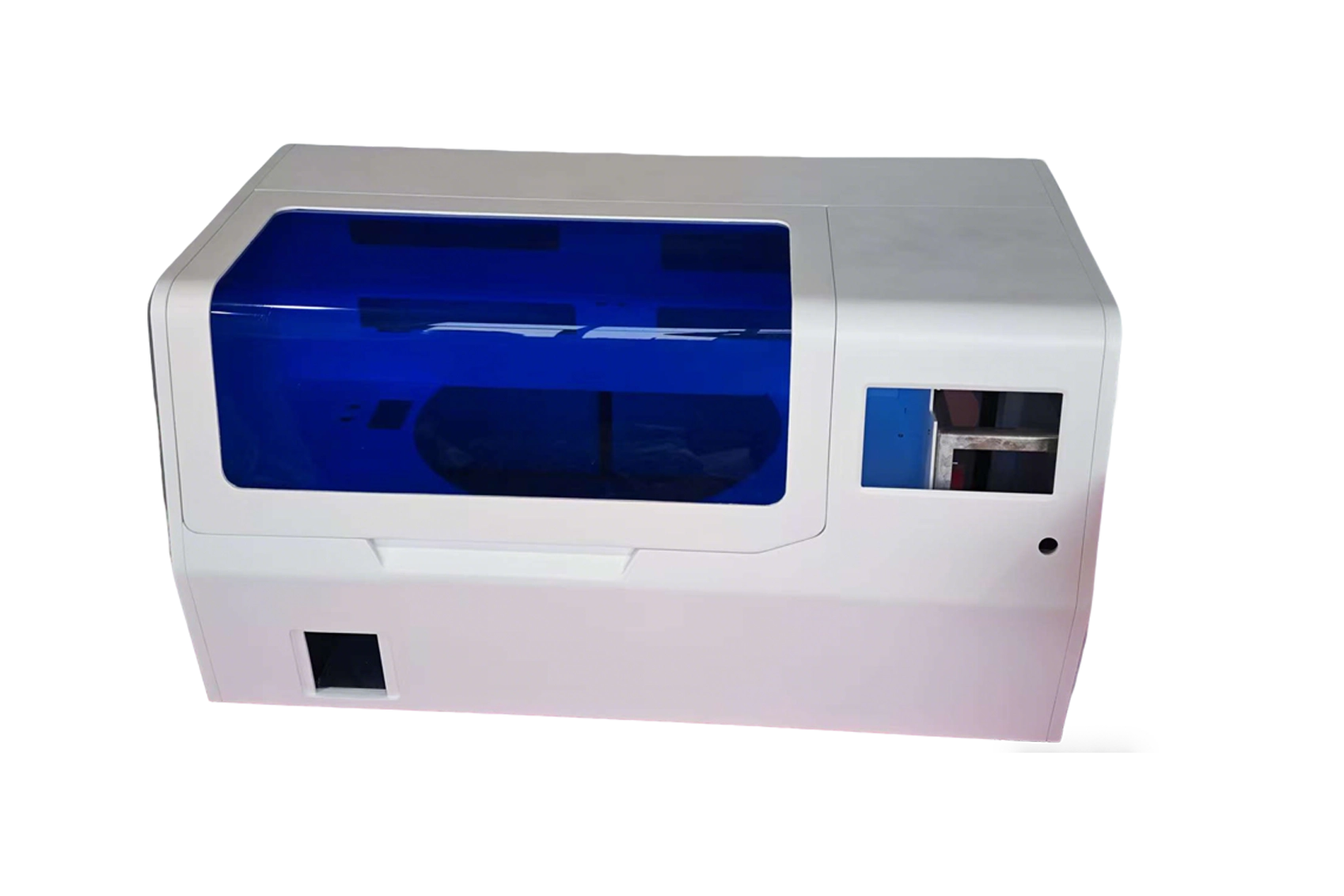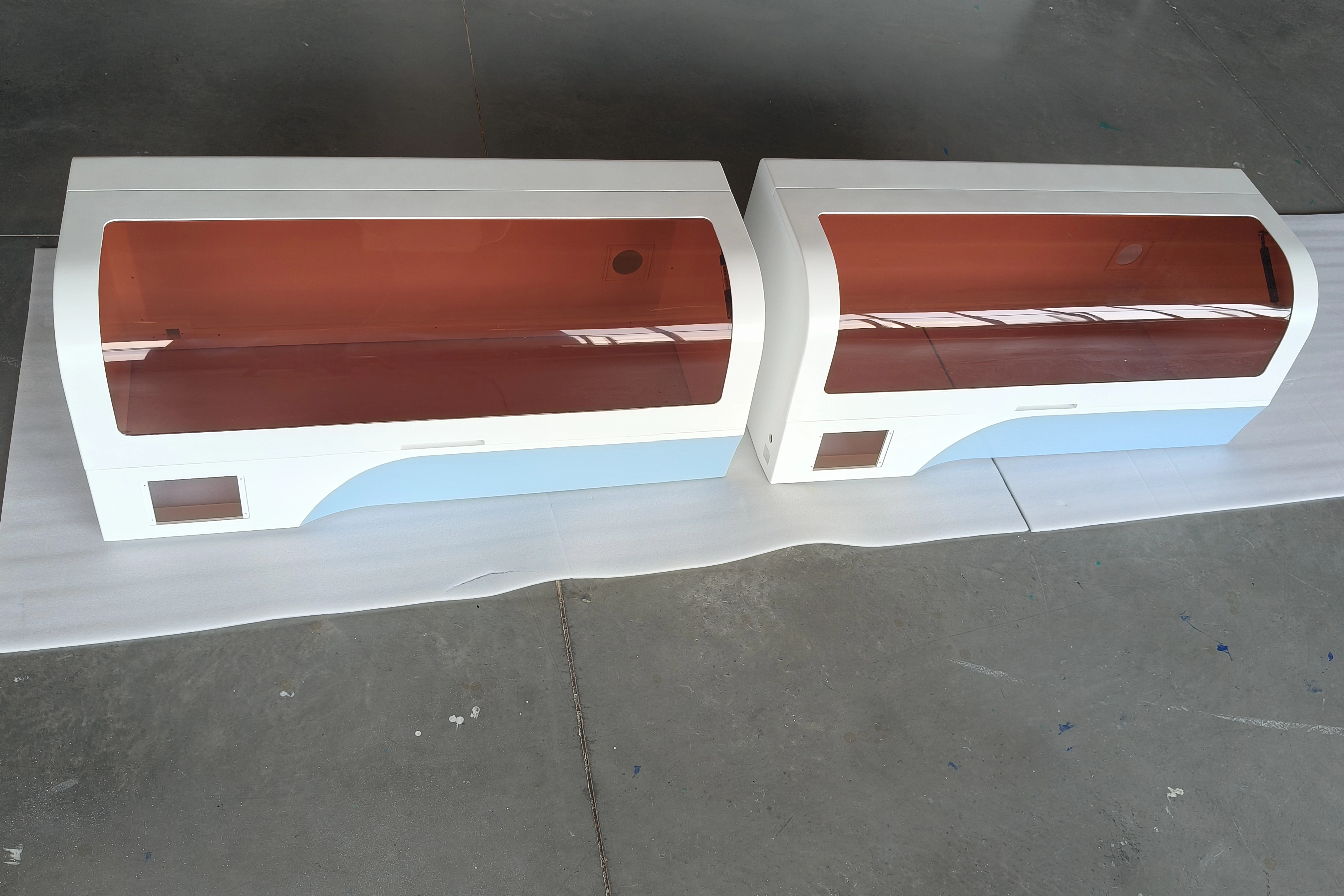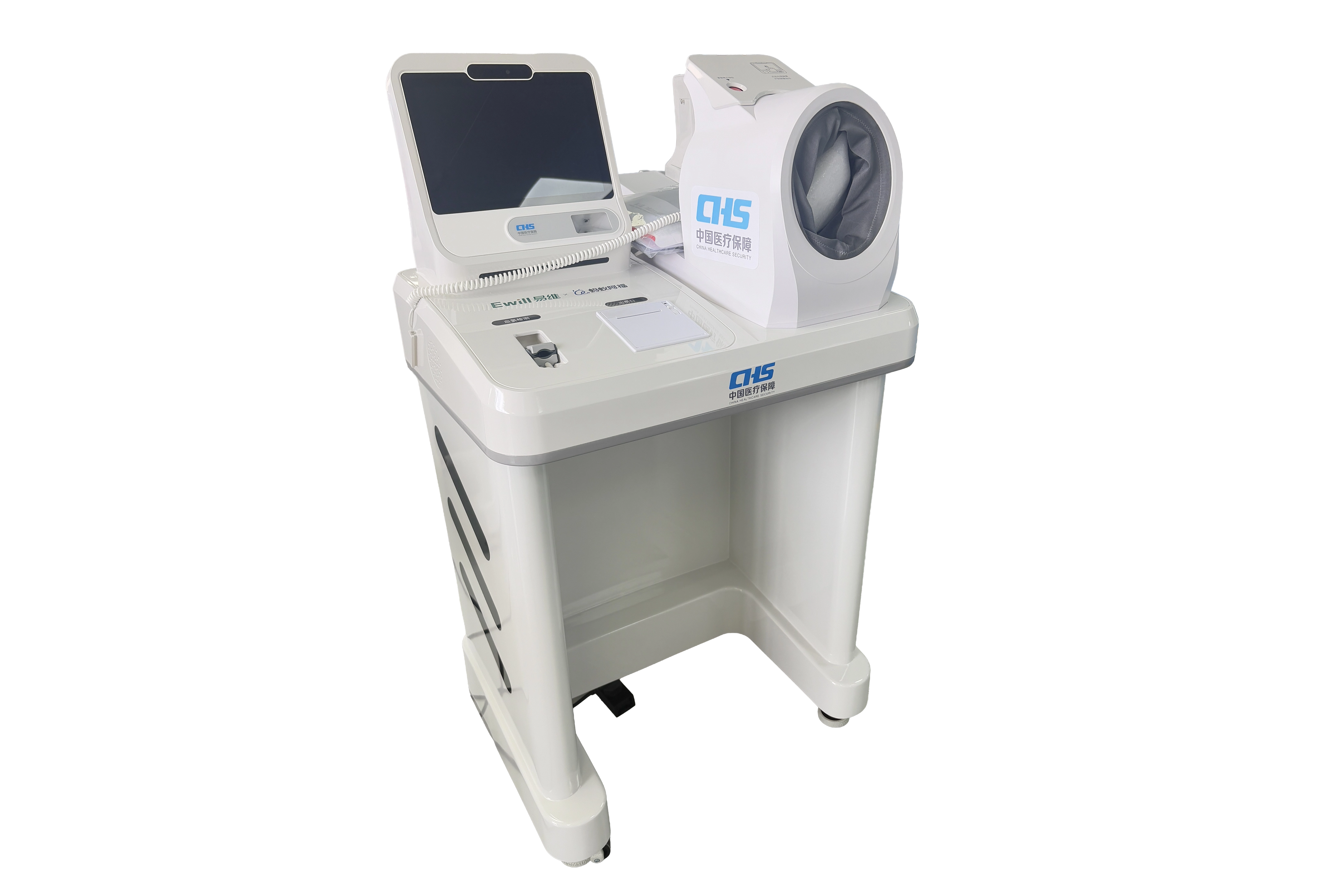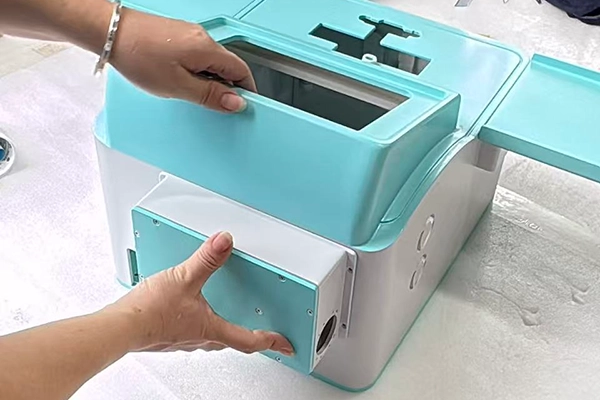
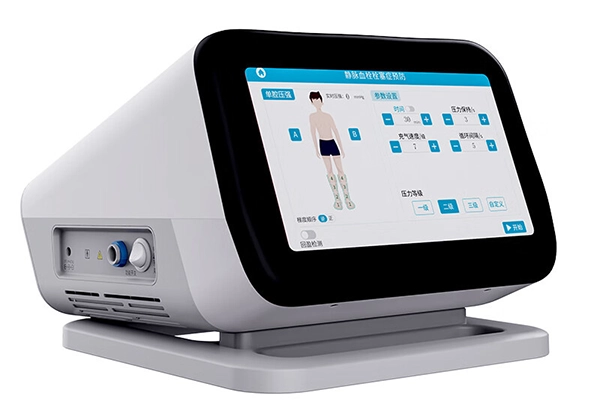
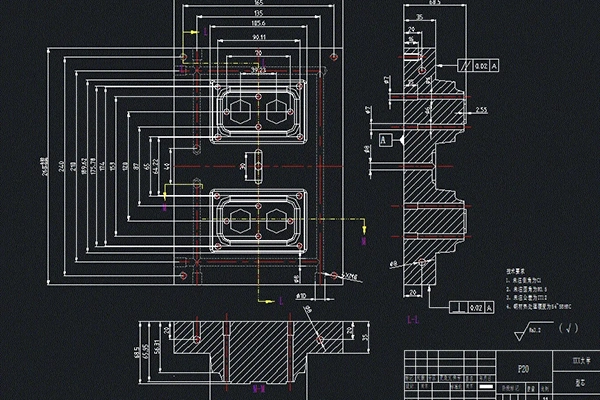
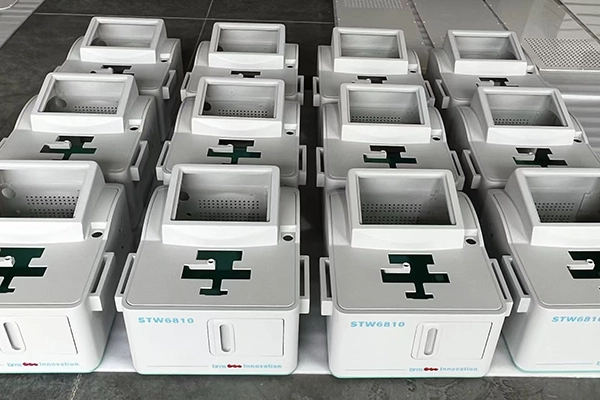
Custom Diagnostic Equipment Enclosures
We develop custom enclosures for diagnostic, testing, screening and laboratory equipment, with the housing planned around the internal system, operator workflow and required access points.
From an early concept or enclosure drawing to prototype validation, forming, CNC trimming, finishing, assembly and repeat production, our team can support the manufacturing stages defined for your project.
Equipment-Focused Review
The enclosure is reviewed around displays, sensors, sample access, cable paths, service panels and the internal frame.
Prototype to Production
Start with a concept, prototype, pilot run or production transfer according to the current project stage.
Route Selection by Project Need
The manufacturing route is considered from geometry, size, material, appearance, quantity and required validation.
Finishing and Assembly Support
Coordinate agreed surface treatment, printing, fitting, assembly and inspection requirements within the project scope.
The Enclosure Must Work With the Diagnostic System Inside It


Internal Interfaces
The housing must leave the right space for brackets, boards, connectors, sensors, wiring and other internal components.


Operator Access
Displays, buttons, doors, sample areas and service panels should be accessible without creating avoidable interference with the enclosure structure.


Manufacturing Feasibility
Drafts, wall thickness, split lines, openings, trimming allowances and assembly methods are considered before production.


Visible surfaces, parting lines, texture, colour, printing and fit should be defined with the intended quantity and inspection scope in mind.
Engineering review before production
Diagnostic Enclosure Requirements We Review Before Production
A useful enclosure review starts with the interfaces that affect the finished equipment. Select an engineering question to see how it can influence structure, manufacturing route and inspection scope.
01 / Operator interface
How will the display and operator controls sit in the enclosure?
We review display size, viewing position, control openings, bezels, mounting details and the relationship between the visible panel and the internal frame. The final opening and fit are confirmed from the project drawings or approved reference information.
02 / Workflow & service
Where must the operator access samples, consumables or working areas?
Doors, covers, drawers, trays and removable panels should provide the required access without obstructing adjacent components. The access method, opening size and assembly details are reviewed against the actual operating workflow.
03 / Interfaces
How should sensors, connectors and cables pass through the housing?
Openings, connector locations, cable paths, strain-relief details and service access can affect both the external appearance and internal assembly. These features should be defined before trimming, tooling or repeat production.
04 / Internal space
What internal clearance and ventilation features are required?
The enclosure layout should leave room for internal components, mounting points and any agreed ventilation or airflow features. ZRD can review the enclosure manufacturing implications; system-level thermal performance remains subject to the customer's equipment design and validation.
05 / Maintenance
How will the equipment be opened for service or assembly?
Access panels, fasteners, hinges, clips, inserts and assembly sequences are considered with the internal structure. The objective is to avoid a housing that looks complete externally but is difficult to assemble, inspect or maintain.
06 / Production finish
What appearance must remain consistent through production?
Visible surfaces, texture, colour, gloss, printing, parting lines and the fit between panels should be discussed before samples are approved. Appearance criteria should be based on an agreed sample, drawing or inspection standard.
Review topic 01 of 06
Start an Engineering Review →The final enclosure structure and inspection scope are confirmed from the actual equipment requirements, available project information and approved customer references.
Medical enclosure manufacturing capabilities
Core Manufacturing Capabilities for Medical Enclosures
Each capability supports a specific enclosure requirement. Processes can be used individually or combined into one approved manufacturing route.


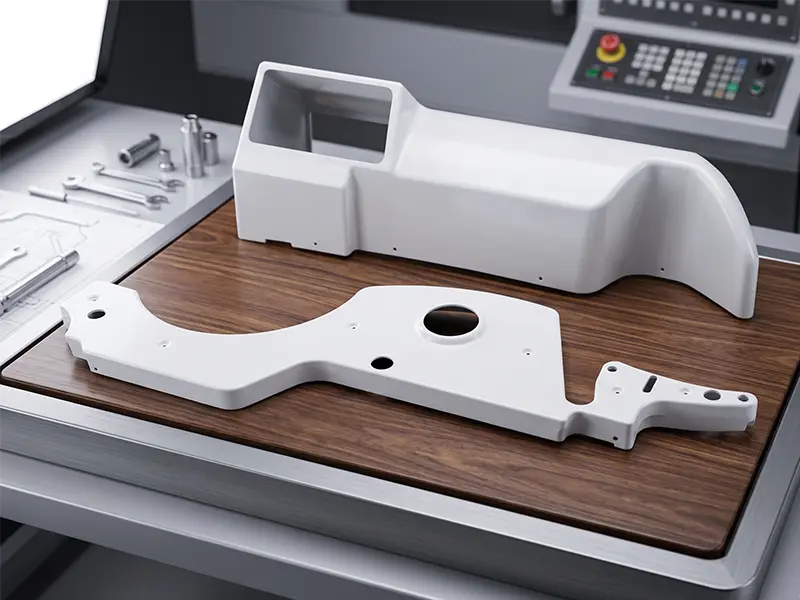
Design Review & DFM
Identify enclosure risks before they affect tooling, assembly or production.
- Part Separation
- Interfaces
- Assembly


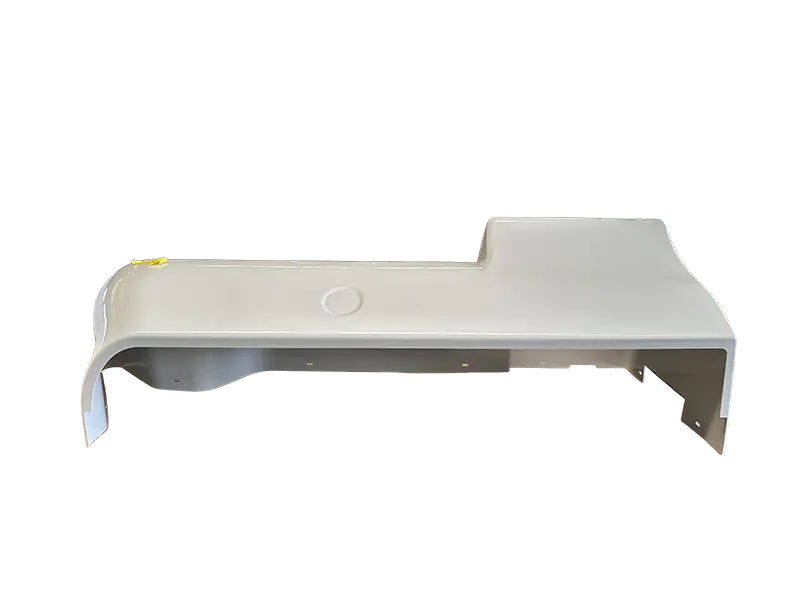
CNC Plastic Prototyping
Tool-free prototypes for checking form, fit, openings and assembly.
- Design Validation
- Fit Check
- Low Quantity


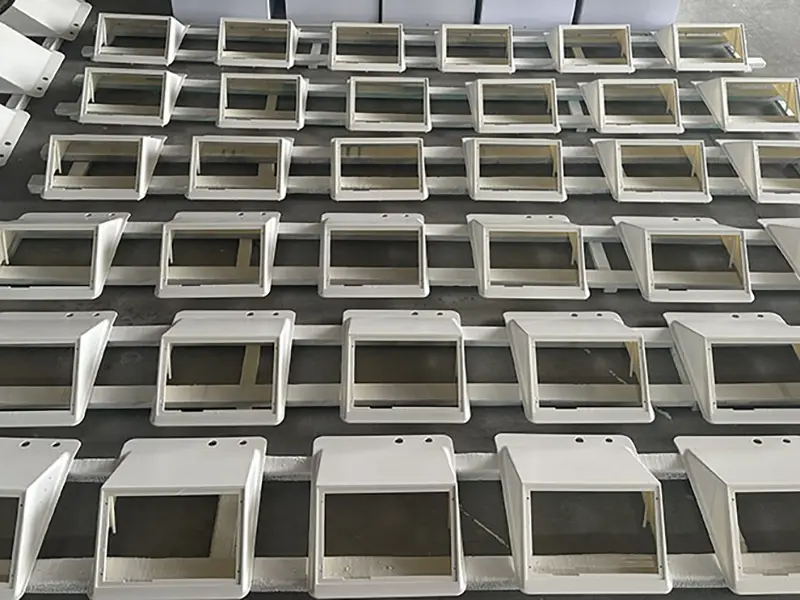
Thick-Sheet Vacuum Forming
A practical manufacturing route for large medical equipment panels.
- Large Panels
- Lower Tooling Cost
- Low-to-Medium Volume


Tooling & Injection Molding
Repeatable molded production for stable enclosure designs and components.
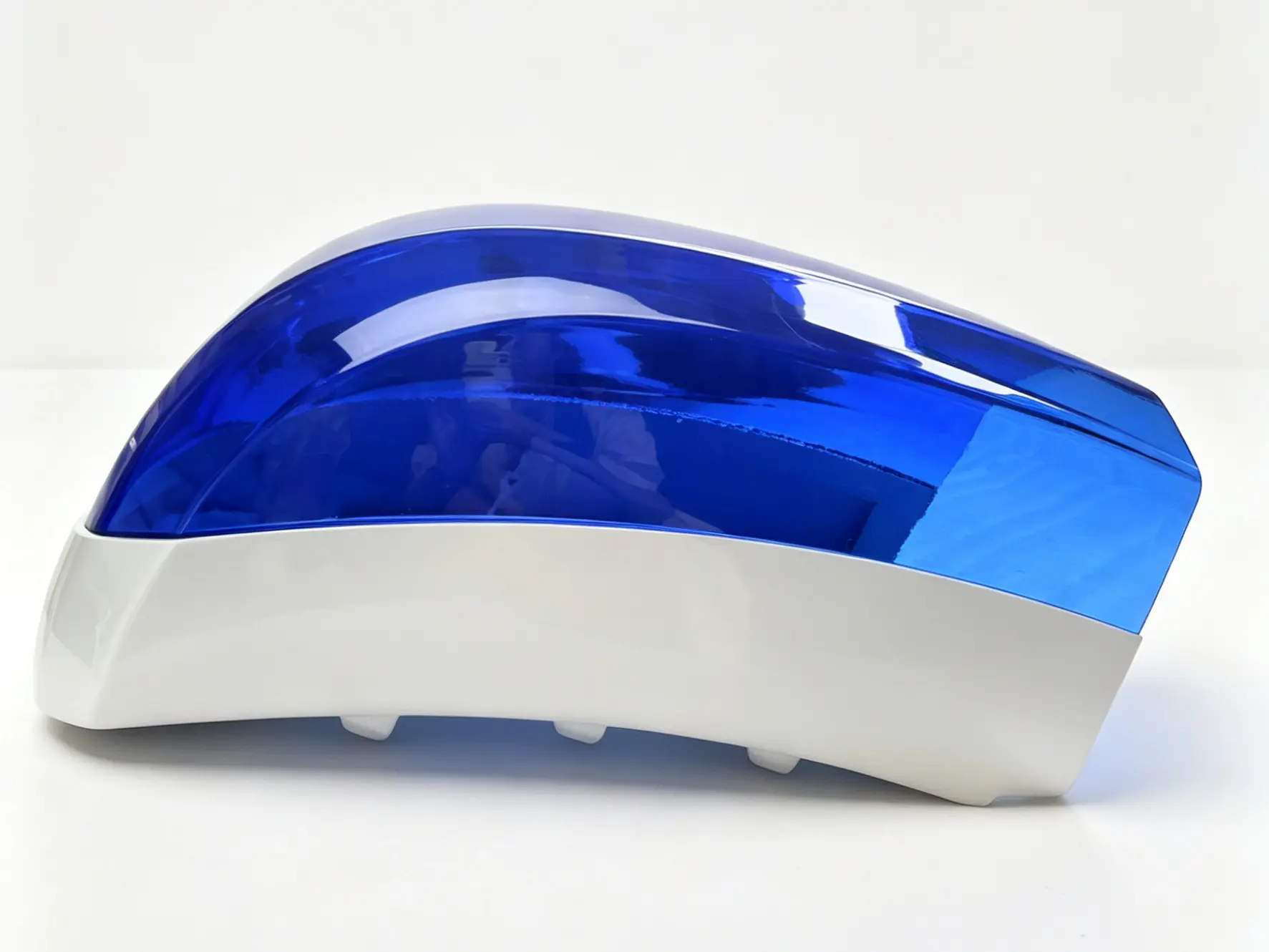
- Stable Design
- Repeat Orders
- Molded Components


CNC Trimming & Precision Machining
Accurate openings and interfaces for formed medical enclosure panels.
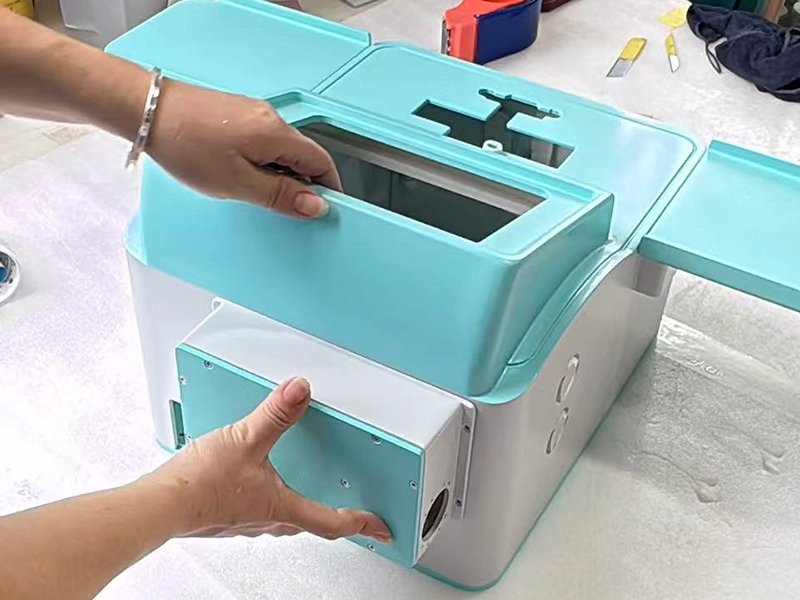
- Screen Openings
- Ventilation
- Mounting Features


Finishing, Printing & Assembly
Complete the enclosure appearance and verify the final panel fit.
- Painting
- Silk-Screen Printing
- Trial Assembly
Capability 01
Design Review & DFM
We review customer-provided drawings for part separation, wall transitions, mounting points, openings, process access, visible surfaces and assembly sequence. The review focuses on features that may affect manufacturability, fit, cost and repeatability.
What we review
- Panel separation and joining method
- Display, connector and ventilation openings
- Internal frame and mounting interfaces
- Fastener locations and service access
- Visible surfaces and assembly sequence
Best for: Projects that need manufacturing feedback before prototyping or tooling.
Request a DFM ReviewCapability 02
CNC Plastic Prototyping
CNC-machined plastic prototypes help verify the medical enclosure before production tooling. They are particularly useful when the internal layout or exterior design may still change.
What it can validate
- Overall enclosure form and dimensions
- Display and control-panel openings
- Mounting points and internal clearances
- Panel relationships and assembly gaps
- Initial appearance direction
Best for: Design validation, functional prototypes and limited quantities.
Explore Rapid PrototypingCapability 03
Thick-Sheet Vacuum Forming
Thick-sheet vacuum forming can reduce tooling investment for large plastic housings and low-to-medium production quantities. After forming, panels can be trimmed, drilled, finished and fitted according to the approved project requirements.
Typical applications
- Large diagnostic equipment panels
- Medical cart and workstation housings
- Therapy and rehabilitation covers
- Health kiosk housings
- Large front, rear and side panels
Best for: Large panels and low-to-medium volume production.
View a Formed Enclosure ProjectCapability 04
Tooling & Injection Molding
Injection molding can be evaluated when the enclosure design is stable and the expected production volume supports dedicated tooling. It is commonly considered for smaller panels, control components, covers and repeat-production plastic parts.
Engineering focus
- Part geometry and wall thickness
- Draft, ribs and mounting bosses
- Parting lines and gate considerations
- Visible-surface requirements
- Quantity and tooling investment
Best for: Stable designs, repeat orders and molded components.
Discuss Tooling RequirementsCapability 05
CNC Trimming & Precision Machining
CNC machining completes critical enclosure features after forming and can also support related molds, fixtures and precision components. Three-axis and five-axis machining are selected according to geometry and access requirements.
Typical machining features
- Display and touchscreen openings
- Connector and control-panel cutouts
- Ventilation slots and fan openings
- Mounting holes and locating features
- Panel edges and assembly interfaces
Best for: Formed panels, critical openings, molds and fixtures.
Upload Your Enclosure DrawingCapability 06
Finishing, Printing & Assembly
Visible medical equipment housings may require controlled color, texture, gloss, printing and panel alignment. These requirements are reviewed against customer specifications, color references or approved samples before production.
Available project scope
- Painting, coating, texture and gloss
- Silk-screen printing and markings
- Threaded inserts and hardware fitting
- Panel and component assembly
- Trial fitting and final inspection
Best for: Finished panel sets and projects requiring coordinated appearance treatment.
Discuss Finish and AssemblyMedical enclosure manufacturing workflow
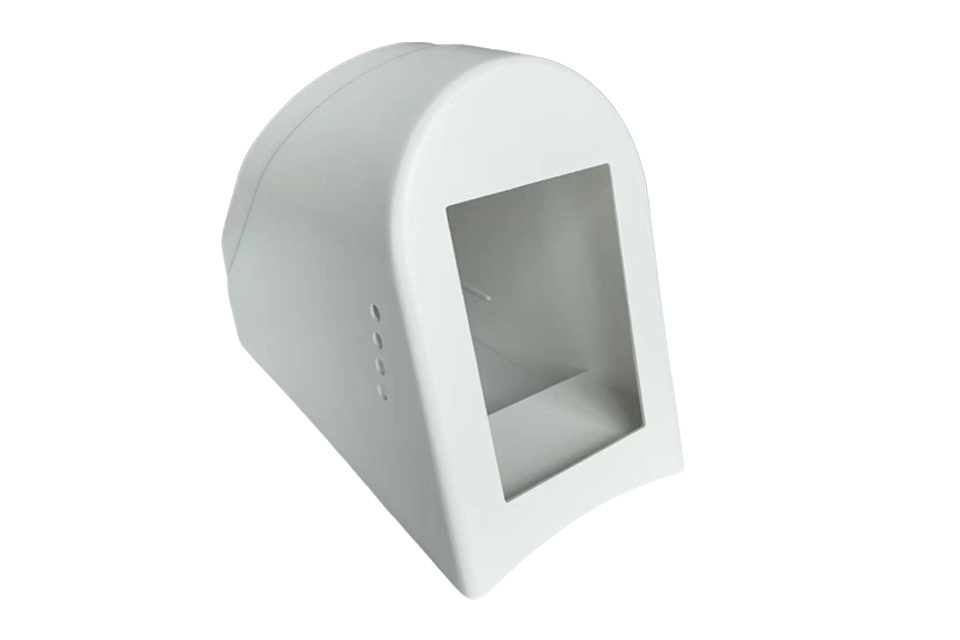
From Diagnostic Equipment Concept to Production
The project can begin with a complete CAD package, an early concept, a prototype requirement or an existing enclosure that needs a manufacturing review. The next step is based on the information available and the scope confirmed with the customer.
-
01
Requirements and File Review
Share the equipment type, enclosure drawings or concept, approximate dimensions, quantities, target timing and the manufacturing support required.
-
02
DFM and Interface Review
Review internal interfaces, displays, sensors, sample access, cable routing, ventilation, service panels, split lines and assembly details.
-
03
Route and Scope Confirmation
Confirm the suitable combination of prototyping, forming, tooling, machining, finishing, assembly and inspection within the agreed project scope.
-
04
Quotation and Project Planning
Define the requested parts, quantities, materials, finish, tooling or prototype scope and the information needed for quotation.
-
05
Prototype or Pilot Validation
Validate the enclosure form, key openings, fit, appearance and selected assembly relationships before moving to the next production stage.
-
06
Production, Finishing and Assembly
Manufacture the approved parts and coordinate the agreed finishing, printing, fitting and assembly activities.
-
07
Inspection and Delivery
Inspect the agreed characteristics, record the applicable project information and prepare the enclosure parts for delivery or the next customer assembly stage.
Materials and Finishes for Diagnostic Equipment Enclosures
Material and finish selection should follow the equipment structure, geometry, quantity, appearance, assembly method and confirmed project requirements. The final material and surface specification must be approved for the specific application.
ABS and PC/ABS
ABS and PC/ABS may be considered for selected prototype or production enclosure parts where the required geometry, appearance, impact requirements, quantity and processing route are suitable.
Polycarbonate and Other Engineering Plastics
Polycarbonate and other engineering plastics may be evaluated for specific enclosure features or project requirements. Applicability depends on the design, material grade, process and customer specification.
Aluminium and Stainless Steel Components
Metal panels, brackets, frames or precision components may be used with a plastic enclosure or as part of the internal structure. The material, thickness, finish and corrosion requirements should be defined for the project.
Surface Finishing and Printing
Possible project scope may include texture, colour, coating, printing, labels, masking and assembly of finished parts. The accepted appearance should be controlled by an approved sample, drawing or written inspection standard.
Important Disclaimer
Material suitability, chemical resistance, cleaning compatibility, electrical performance, thermal performance and final equipment compliance must be confirmed by the customer or the responsible product and regulatory team. ZRD does not represent that a material or finish is suitable for every diagnostic application without project-specific review.
Upload 3D and 2D drawings, and we will provide a free process evaluation and quotation within 48 hours.
Frequently Asked Questions About Diagnostic Equipment Enclosures
FAQ
Can ZRD review a diagnostic equipment enclosure at the concept stage?
Answer:
Yes. An initial review can start with the information available, such as a concept drawing, reference dimensions, equipment layout, images or a short project description. The next step depends on the completeness of the information and the scope that needs to be assessed.
What information should we submit for an enclosure review?
Answer:
Useful information includes the equipment type, enclosure dimensions, 3D or 2D files, internal layout, display and connector locations, required access panels, estimated quantities, target project stage, material or appearance requirements and any inspection expectations.
Can you support both prototype and production diagnostic equipment housings?
Answer:
The project can be discussed at the prototype, pilot production, production transfer or repeat production stage. The suitable process and scope depend on the enclosure design, quantity, material, finish and validation requirements.
Can you help with display, sensor and connector openings?
Answer:
These interfaces can be included in the enclosure and DFM review. Final dimensions and acceptance criteria should come from the customer drawings, component information, approved samples or other confirmed project references.
Which processes may be used for a diagnostic equipment enclosure?
Answer:
Depending on the project, the route may include CNC plastic prototyping, thick-sheet vacuum forming, tooling and injection molding, CNC trimming, precision machining, surface finishing, printing and assembly. The route is selected after reviewing the actual enclosure requirements.
Can ZRD coordinate finishing and assembly?
Answer:
Finishing, printing, hardware fitting and enclosure assembly may be included when they are part of the agreed project scope. The required appearance, assembly sequence and inspection criteria should be defined before production.
Can we request an NDA before sharing detailed drawings?
Answer:
Yes. Mention the NDA requirement in the project form or contact the sales team before sending detailed files. You can begin with a general equipment description and the project stage if detailed drawings cannot yet be shared.
Does ZRD certify the diagnostic equipment or its medical compliance?
Answer:
ZRD’s enclosure manufacturing scope does not by itself certify the finished diagnostic equipment or guarantee regulatory compliance. Product compliance, material suitability, cleaning requirements and system validation must be confirmed by the responsible customer and regulatory teams.
What inspection documents are available?
Answer:
Depending on the project, available documents may include dimensional inspection records, material documentation, first-article records and final inspection records. Required documentation should be listed in the request for quotation.
How long does a medical enclosure manufacturing project take?
Answer:
Timing depends on design maturity, prototype requirements, enclosure size, tooling, finishing, assembly and quantity. A project-specific schedule is provided after the drawings and supply scope have been reviewed.
Selected Enclosure Projects
These projects show how forming, machining, finishing and assembly can be combined around the complete medical equipment housing
Introduction A Medical Device Enclosure has to do more than protect the equipment inside. For medical beauty and physiotherapy equipment,
Custom medical device enclosures protect sensitive internal components, support product operation, and shape how users interact with medical equipment. Unlike
At Zhongrongda, our engineering team has spent over 15 years manufacturing precision CNC-machined parts and enclosures for medical, robotics, and
Introduction The demand for intelligent medical service equipment is growing rapidly as hospitals, community healthcare centers, and physical examination facilities
Introduction: Why Medical Equipment Requires Professional Enclosure Manufacturing Medical devices are becoming increasingly sophisticated, requiring not only advanced electronics and
Introduction A professional Medical Device Enclosure requires much more than a protective external shell. For healthcare environments, equipment housings must