Custom Enclosures for Medical and Laboratory Robots

ZRD develops and manufactures custom robot housings for medical, rehabilitation and laboratory equipment. We coordinate exterior panels with sensors, cameras, actuators, displays, internal modules, cable paths, motion clearances and service access from prototype validation through production.

Robot Enclosure Applications We Support

Robotic equipment combines moving parts, sensors, electronics and user-facing surfaces in a compact system. We review the housing around the robot’s real movement envelope and interface requirements.

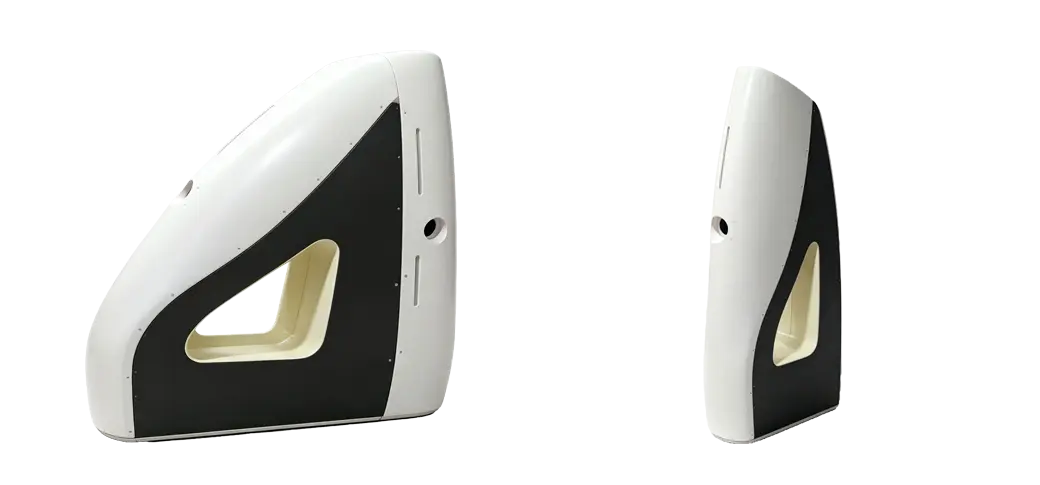
Housing concepts for rehabilitation or therapy equipment with moving arms, supports, user interfaces and panels that need clearance during operation.

Rehabilitation and Therapy Robots

Housing concepts for rehabilitation or therapy equipment with moving arms, supports, user interfaces and panels that need clearance during operation.

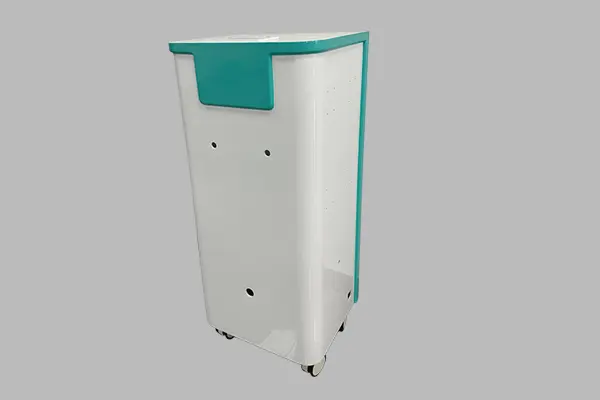
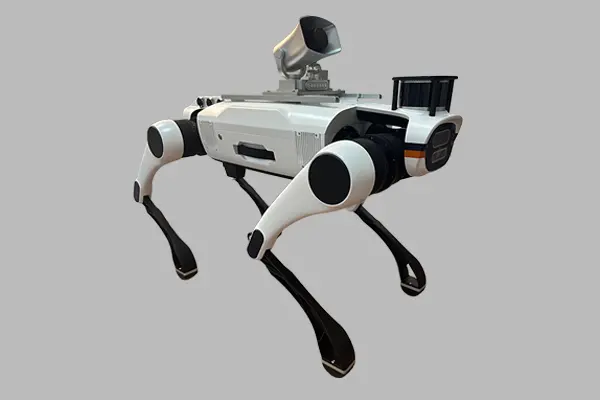
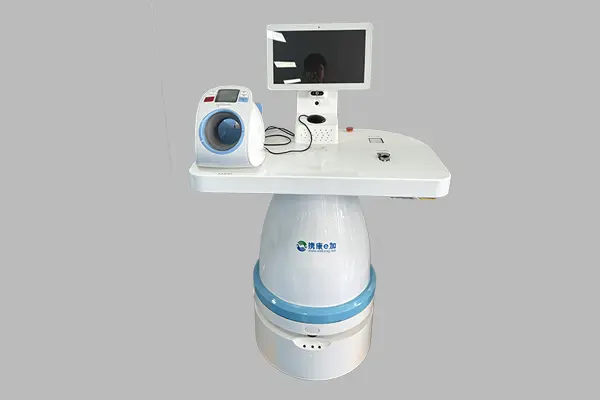
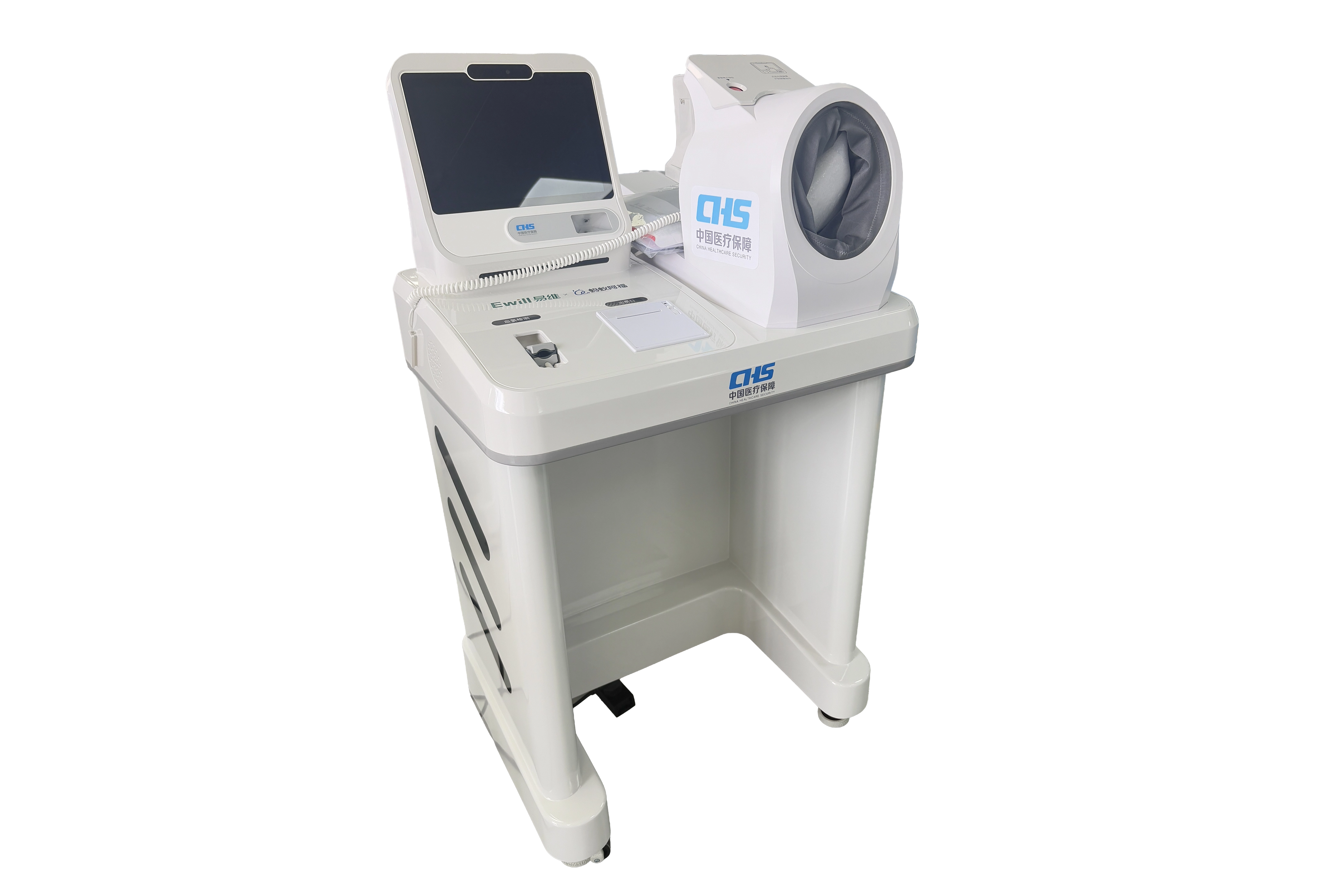
Custom housings for mobile medical or clinical service robots that require integrated panels around displays, sensors, batteries, wheels or drive modules.

Mobile Service Robots

Custom housings for mobile medical or clinical service robots that require integrated panels around displays, sensors, batteries, wheels or drive modules.

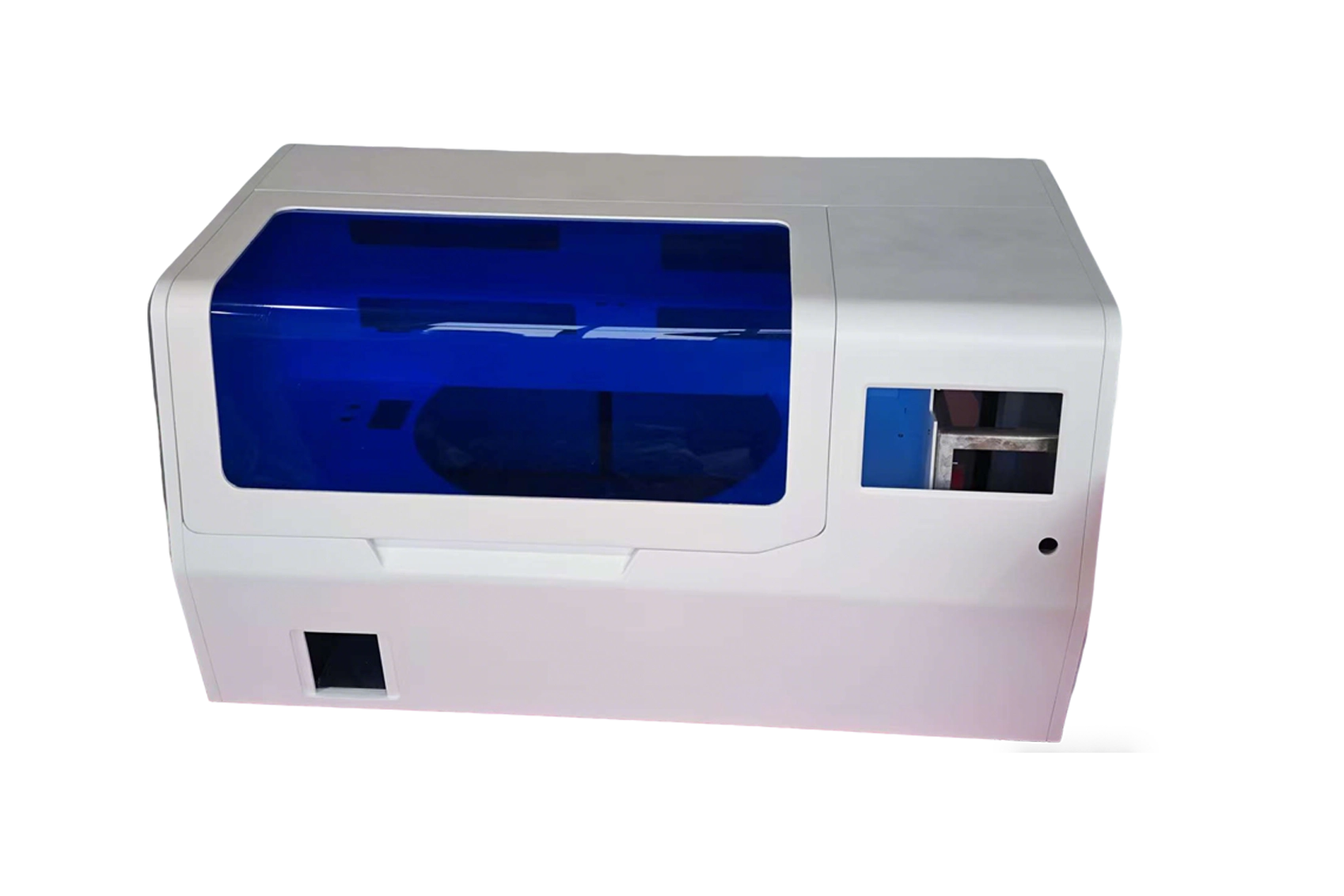
Panel sets for robotic instrument platforms where the enclosure must coordinate with optical, electronic, mechanical or user-facing equipment modules.

Robotic Medical Instrument Platforms

Panel sets for robotic instrument platforms where the enclosure must coordinate with optical, electronic, mechanical or user-facing equipment modules.

ROBOT HOUSING DESIGN CONSIDERATIONS

Robot Housings Designed Around Motion and Interfaces

A robot enclosure must move with the system, leave space for sensing and actuation, and remain accessible for assembly and service. These questions should be resolved before a production route is selected.

01 MOTION ENVELOPE

The Housing Must Follow the Robot's Motion Envelope

Moving arms, joints, covers, wheels and accessories can change the required clearance around every panel. We review the available motion envelope and identify areas that may interfere with the enclosure.

02 SENSOR INTERFACES

Sensors and Cameras Need Accurate Openings

Cameras, lidar or other sensors may require defined fields of view, mounting references, windows or openings. Their position should be reviewed with the internal bracket and surrounding panel geometry.

03 SERVICE ACCESS

Actuators and Internal Modules Need Service Clearance

Motors, actuators, batteries, control boards and other modules need installation and removal paths. Panel splits, fasteners and access covers can be planned around the service sequence.

04 CABLE ROUTING

Cables Must Move Without Being Pinched

Cable exits, bend space, strain relief, moving joints and removable panels should be reviewed together. The required cable type and movement condition must come from the robot design specification.

05 MODULAR DESIGN

Modular Panels Make Development and Service Easier

Robots often change during development. Separate covers, replaceable panels, inserts and defined fastener locations can make design updates, assembly and service more manageable.

06 PROTOTYPE VALIDATION

The Prototype Needs to Prove More Than Appearance

A prototype should help confirm sensor and display positions, motion clearances, module fit, cable routing, access sequence and the feasibility of the proposed production route.

MATERIALS & MANUFACTURING ROUTES

Selecting a Manufacturing Route for a Robot Housing

The route depends on robot size, panel geometry, motion clearance, design maturity, quantity, visible finish and the modules that the housing must support. Final feasibility and quotation require drawing review.

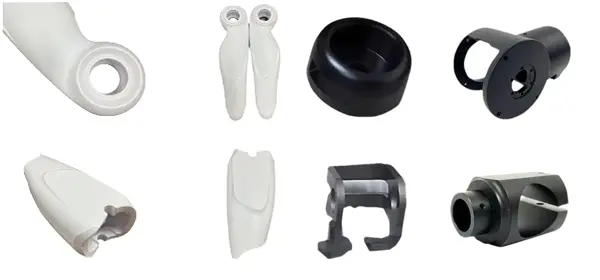
CNC plastic prototype for a robot housing
PROTOTYPE ROUTE

CNC Plastic Prototype

Useful for early robot development when the team needs to check external form, sensor openings, display position, module fit and motion clearance before tooling.

Early design Fast changes Functional fit Short runs
Rapid Prototyping
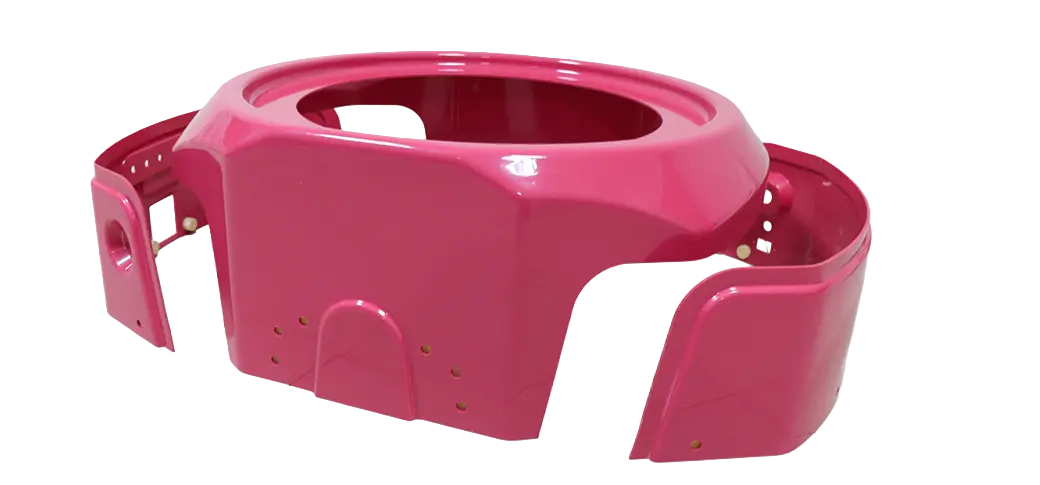
Vacuum formed robot panels for large enclosure applications
FORMED PANEL ROUTE

Vacuum-Formed Robot Panels

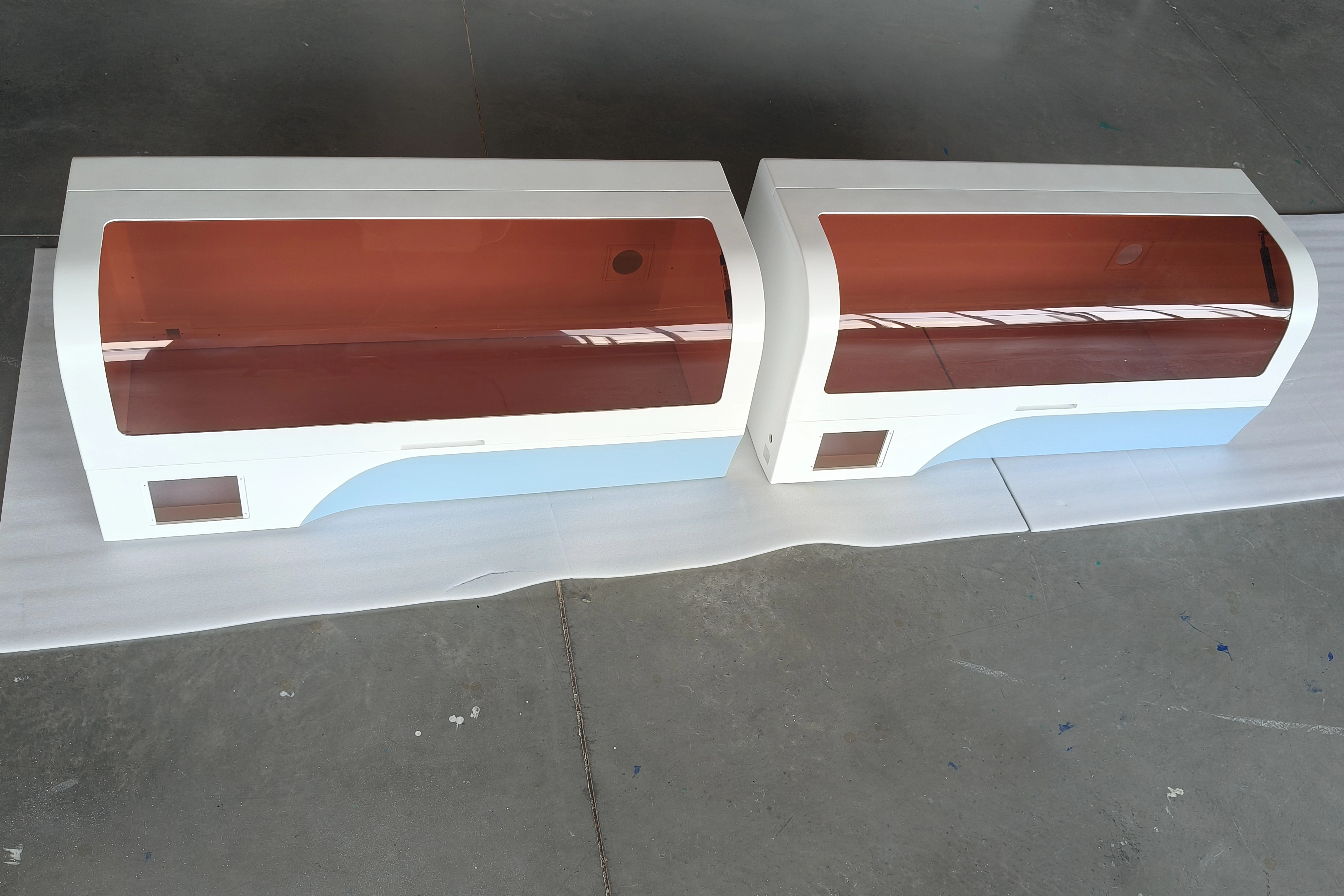
May be evaluated for larger curved panels and low-to-medium volume projects where panel size, shape, tooling investment and repeatability need to be balanced.

Large panels Curved covers Low-to-medium volume CNC trimming
Vacuum Forming
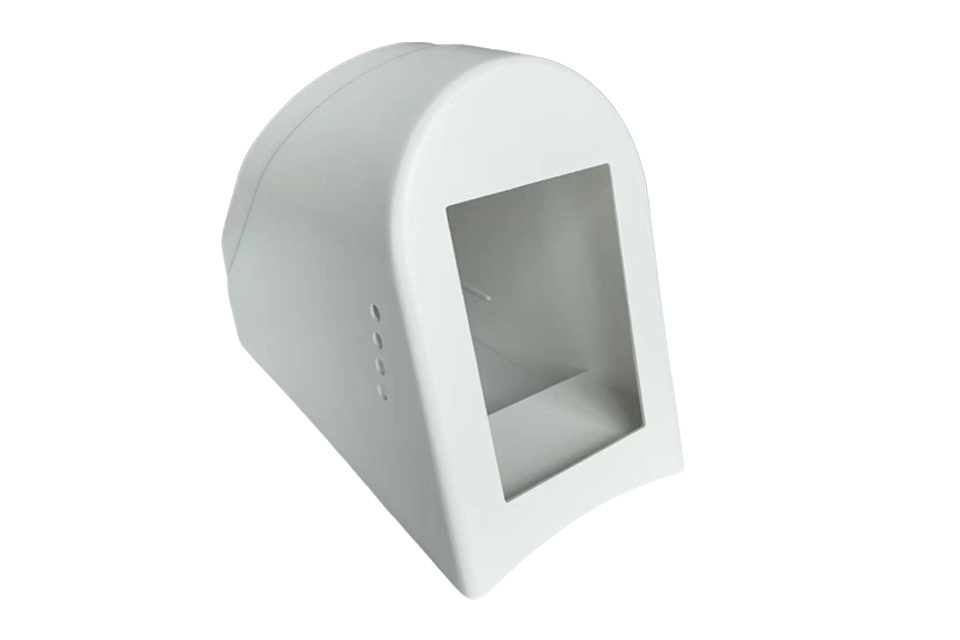
Injection molded robot enclosure components
PRODUCTION ROUTE

Injection-Molded Robot Components

May be evaluated for stable, repeat-production covers or components when geometry, visible surfaces, quantity and tooling assumptions have been approved.

Stable design Repeat production Molded covers Tooling review
Tooling and Injection Molding
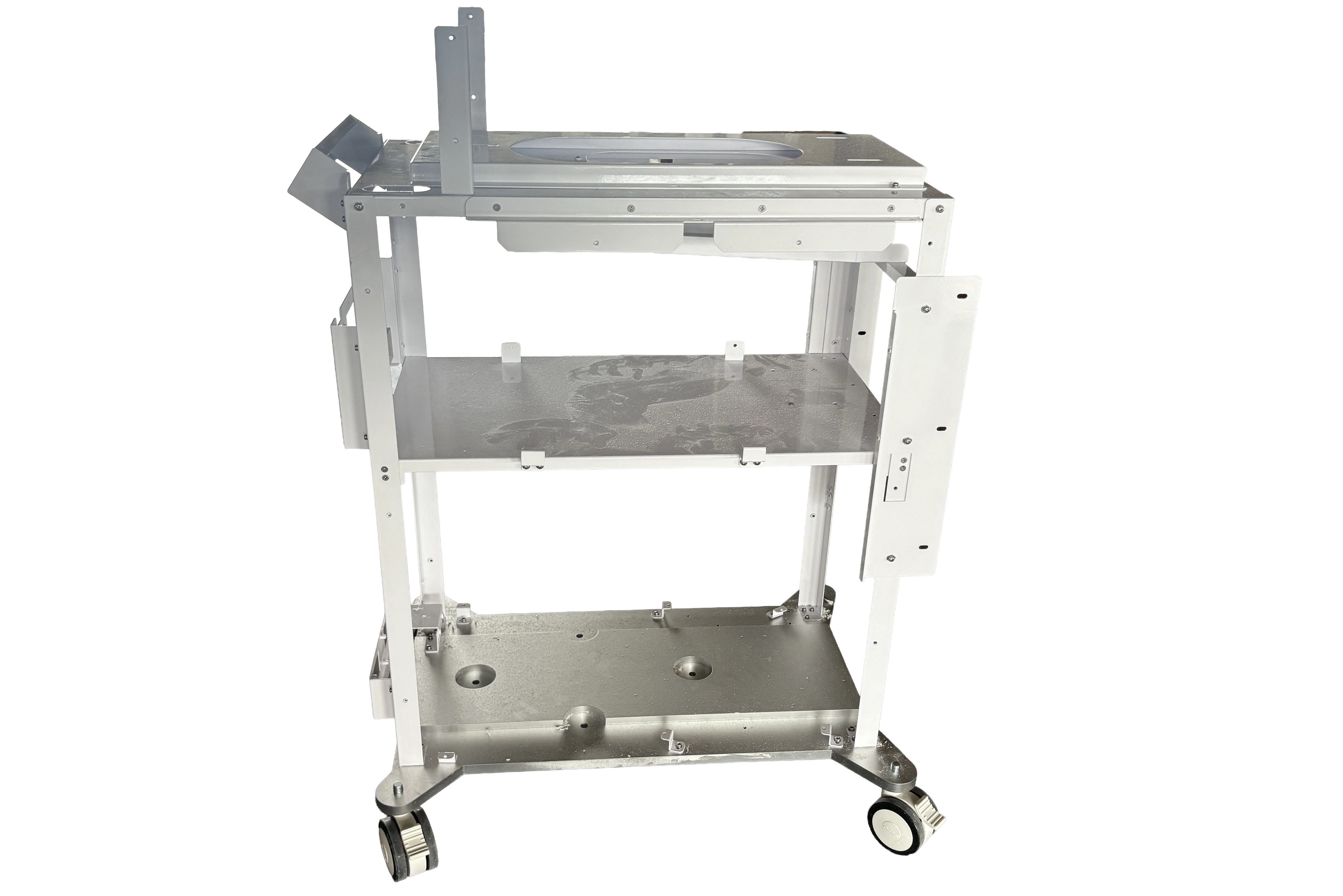
Mixed-process robot enclosure and internal frame system
COMBINED ROUTE

Mixed-Process Robot Enclosure

A complete robot housing may combine formed or molded panels, CNC-trimmed sensor openings, internal metal supports, inserts, hardware, finishing and agreed assembly.

Modular panels Precision openings Internal frame Coordinated assembly
CNC Trimming and Precision Machining
MATERIAL SELECTION

Material selection should consider stiffness, weight, panel size, processing method, visible finish, operating environment, impact requirements and any customer-specified cleaning or chemical exposure. The complete robot design and test conditions determine final performance.

NOT SURE WHICH ROUTE FITS?

Request a Manufacturing Recommendation

Request a Manufacturing Recommendation
ROBOT ENCLOSURE DEVELOPMENT PROCESS

From Robot Enclosure Prototype to Production

The project route is adjusted to the robot's current development stage, motion data, internal module status, quantity and validation needs.

01
ARCHITECTURE REVIEW

Review the Robot Architecture

Share the robot envelope, motion positions, sensor and actuator layout, display or control locations, internal frame, expected quantity and current project stage.

02
INTERFACE REVIEW

Define Interfaces and Risk Areas

Identify motion clearances, sensor fields of view, access panels, cable paths, module removal routes, panel splits and visible appearance requirements.

03
PROTOTYPE VALIDATION

Build and Review a Prototype

Use a suitable prototype method to check exterior form, fit, openings, motion clearance, service access, assembly sequence and design feasibility.

04
PRODUCTION PLANNING

Confirm the Repeat-Production Route

After the robot design is stable, confirm forming or molding assumptions, tooling or fixtures, finishing, printing, inspection points and sample approval.

05
PRODUCTION & INSPECTION

Produce, Finish and Inspect

Complete the agreed panel manufacturing, CNC trimming, hardware fitting, surface treatment, printing, assembly and inspection before packaging.

READY TO REVIEW YOUR ROBOT HOUSING?

Start a Robot Enclosure Review

Start a Robot Enclosure Review

Related Medical Cart Enclosure Project

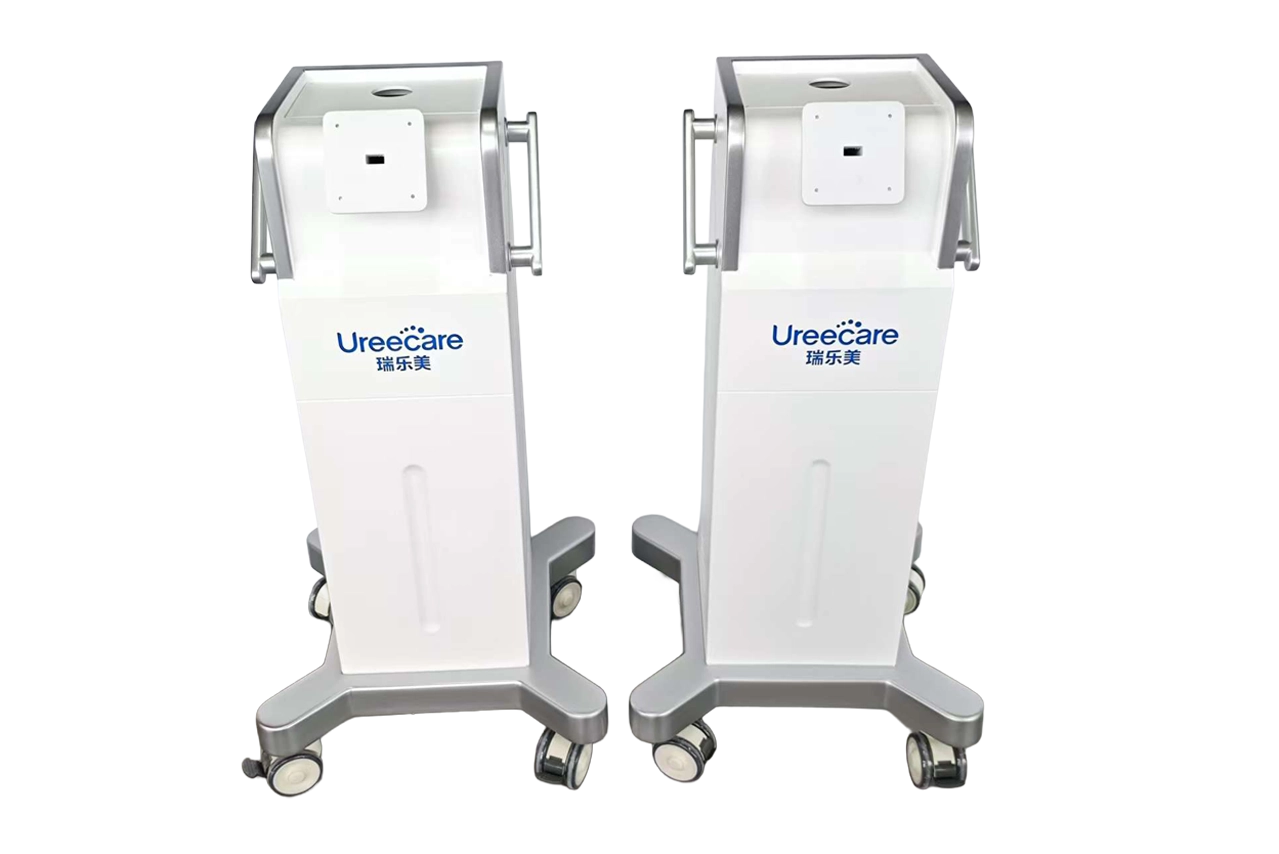
This project reference shows how a mobile medical housing can be developed around the display, internal structure, functional openings and trolley format.

Medical Device Enclosure with complex curved cabinet design

Medical Device Enclosure: Complex CNC Cabinet Project

Introduction A Medical Device Enclosure has to do more than protect the equipment inside. For medical beauty and physiotherapy equipment,

Custom medical device enclosures manufactured by Zhongrongda

Custom Medical Device Enclosures: A Manufacturing Guide

Custom medical device enclosures protect sensitive internal components, support product operation, and shape how users interact with medical equipment. Unlike

Custom medical device enclosure for an eye wave instrument trolley

Custom Medical Device Enclosure for an Eye Wave Instrument Trolley

At Zhongrongda, our engineering team has spent over 15 years manufacturing precision CNC-machined parts and enclosures for medical, robotics, and

ABS medical robot housing prototype manufactured by Zhongrongda

AI Robot Enclosure Prototype Manufacturing for Medical AI Devices

Introduction The demand for intelligent medical service equipment is growing rapidly as hospitals, community healthcare centers, and physical examination facilities

Custom medical device enclosure manufactured for diagnostic equipment

Medical Device Enclosure Manufacturer: Custom Housing Solutions for Medical Equipment

Introduction: Why Medical Equipment Requires Professional Enclosure Manufacturing Medical devices are becoming increasingly sophisticated, requiring not only advanced electronics and

Medical Device Enclosure manufactured with ABS vacuum forming and CNC machining for hospital equipment

Custom Medical Device Enclosure Manufacturing Case Study for European Hospital Equipment

Introduction A professional Medical Device Enclosure requires much more than a protective external shell. For healthcare environments, equipment housings must

Upload 3D and 2D drawings, and we will provide a free process evaluation and quotation within 48 hours.


Medical Robot Enclosures FAQ

Frequently Asked Questions About Medical Robot Enclosures

FAQ
What types of medical robots can you support?
Answer: We can review medical AI robots, rehabilitation and therapy robots, laboratory automation robots, mobile clinical service robots and robotic medical instrument platforms. The enclosure scope depends on the robot geometry, interfaces and project stage.
+ Can you work with our existing robot frame or internal structure?
Answer: Yes. Provide the available 3D model, 2D drawings, frame data, module envelopes and mounting references. We can review the housing around the existing structure and identify missing interface information.
+ Can you design around moving arms, joints or wheels?
Answer: Yes. The review should include the robot's motion positions, joint locations, operating envelope, service position and any accessory movement. Final clearance must be validated by the robot manufacturer as part of the complete system.
+ Can you provide openings for cameras and sensors?
Answer: Yes. Sensor and camera positions, fields of view, mounting references, windows and openings can be included in the enclosure and CNC trimming review. The robot team must provide the required optical or sensing conditions.
+ Can you make removable panels for batteries and electronics?
Answer: These features can be included in the enclosure design. Define the modules requiring service, removal direction, fasteners, hinges or covers and the available clearance before quotation.
+ Which process is suitable for a robot prototype?
Answer: CNC plastic prototypes or other short-run methods may be evaluated for early validation. The right route depends on robot size, geometry, interfaces, quantity, finish and expected design changes.
+ Can one robot housing use several manufacturing processes?
Answer: Yes. A complete housing may combine formed or molded panels, CNC-trimmed openings, internal supports, inserts, hardware, finishing and assembly.
+ Can you match the robot's exterior color and finish?
Answer: Color, texture, gloss, printing and visible panel alignment can be evaluated against customer specifications, color references or approved samples. Acceptance criteria should be confirmed before production.
+ Can you guarantee robot motion safety or collision performance?
Answer: No performance should be assumed from the enclosure alone. Motion safety, collision behavior, sensor function, electrical integration and complete-system risk assessment must be specified and validated by the robot manufacturer.
+ Are you responsible for the complete medical robot certification?
Answer: No. ZRD's scope is the enclosure and agreed related manufacturing services. The robot manufacturer remains responsible for complete system validation, regulatory pathway and final product compliance.
+ What inspection documents can be provided?
Answer: Depending on the agreed scope, available documents may include dimensional inspection records, material documentation, first-article records and final inspection records. Required documents should be listed in the quotation request.
+ What should we send for an initial robot enclosure review?
Answer: Send the robot envelope, motion data, internal frame or module layout, sensor and actuator positions, 3D and 2D files, expected quantities, project stage, finish requirements and any service-access information.