
Custom Enclosures for Large Medical Equipment
ZRD develops and manufactures large-format housings for floor-standing medical and diagnostic equipment. We coordinate exterior panels with the internal frame, displays, controls, ventilation, service access and installation requirements from full-size prototype review through production.
Large Equipment Enclosure Applications We Support
Large medical systems use different internal structures and installation methods. We review each enclosure around the equipment layout, panel arrangement, operator interfaces and service requirements.
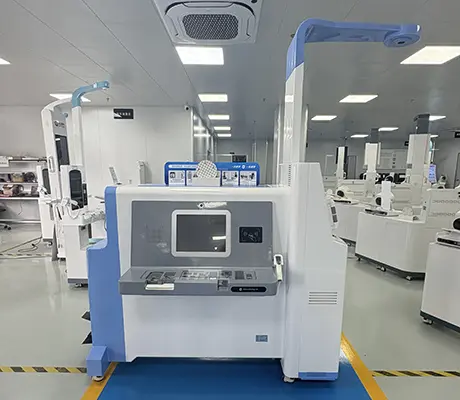
Multi-Function Health Screening Kiosks
Integrated housings for community or primary-care health screening stations that combine identity reading, vital-sign modules, an operator display and multiple sensor interfaces in one enclosure.
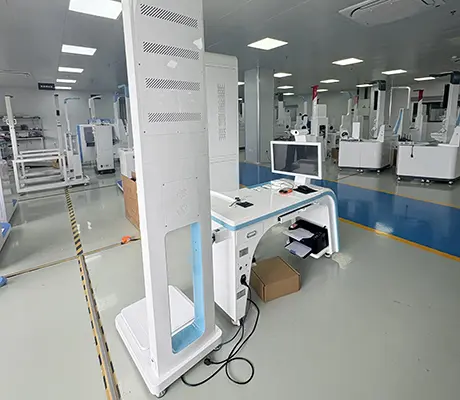
Split Health Screening Workstations
Two-part workstation housings that separate the screening column from the operating desk. The enclosure supports displays, printers, health measurement modules, foot-pedal interfaces and serviceable internal components.
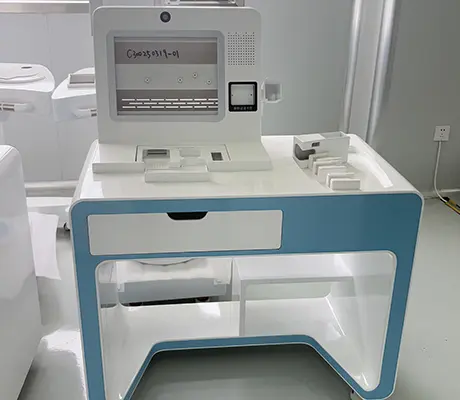
Blood Glucose Screening Consoles
Compact health-station housings developed for blood glucose screening and health-information collection in community or primary-care locations.
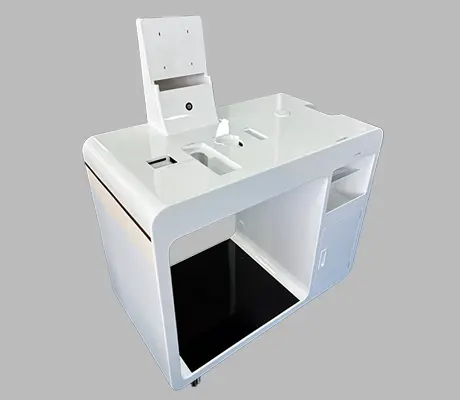
Multi-Parameter Vital Signs Stations
Integrated housings for stations that combine temperature, blood glucose, blood oxygen and other basic vital-sign measurement modules with a shared display and internal support structure.
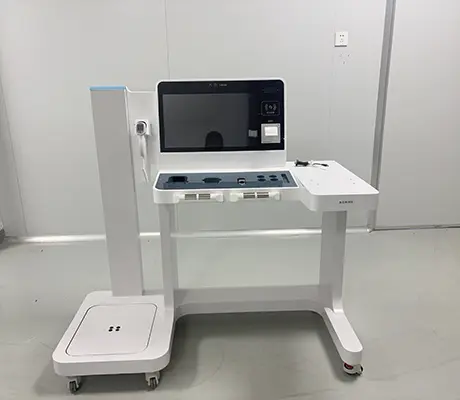
Self-Service Health Examination Workstations
A grouped application family for self-service health-check stations used in community health centers, township clinics, health kiosks and similar public-service locations. The products combine height and weight measurement, blood pressure, display, printing, card or identity interfaces and other optional modules
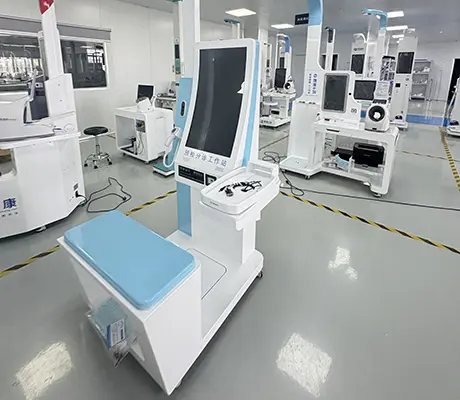
Hospital Pre-Screening and Triage Workstations
Workstation housings for hospital outpatient areas, community health centers and primary-care facilities that support patient pre-screening, identity or barcode reading, basic measurement and triage data entry.
Large Enclosures Designed as Complete Panel Systems
Increasing the panel size also increases the importance of structure, alignment, handling and assembly. The following questions should be reviewed before tooling or repeat production.
Large Panels Need a Practical Parting Strategy
A large exterior form may need to be divided into front, rear, side, top, door or access panels. We review panel boundaries, visible seams, assembly direction and manufacturing access before selecting the process.
A defined panel strategy makes manufacturing, transport, replacement and final assembly more manageable.
The Plastic Housing Must Fit the Internal Frame
Panel mounting points, brackets, inserts, supports and clearances depend on the actual metal chassis or internal structure. Accurate frame data is required to coordinate the exterior panels.
Fewer late changes to brackets, panel edges, openings and fastening points during trial assembly.
Large Visible Surfaces Expose Alignment Problems
Panel gaps, edge transitions, corner relationships, surface waviness, color, texture and gloss become more visible as the housing grows. Acceptance references should be defined before production.
A clearer standard for panel-to-panel fit and the finished equipment appearance.
Displays, Doors and Service Areas Need Accurate Interfaces
Screen openings, control panels, connectors, ventilation, doors and service covers must align with components behind the housing and remain usable after final assembly.
Functional openings are coordinated with the internal equipment rather than added after the large panels are formed.
Transport and Installation Affect Panel Design
Large panels may need protected edges, removable sections, defined lifting or handling areas and packaging that prevents movement or surface damage. These requirements should be reviewed with the delivery and installation plan.
The enclosure can be packaged, transported and assembled with fewer avoidable handling risks.
A Full-Size Prototype Reduces Production Risk
A full-size prototype or pilot panel set can be used to check overall form, frame fit, openings, assembly sequence, access and visible panel relationships before repeat production.
Critical fit and appearance decisions can be approved before production tooling and finishing are finalized.
What We Review in a Large Medical Equipment Housing
The review covers the visible enclosure and the hidden relationships that determine whether the complete panel system can be manufactured, fitted and serviced.
Overall Size and Panel Breakdown
Equipment envelope, panel dimensions, front/rear/side/top division, fixed and removable sections, corner transitions and manufacturing access.
Internal Frame and Mounting Points
Chassis geometry, brackets, mounting points, inserts, supports, locating features and clearances between the housing and internal structure.
Displays, Controls and Functional Openings
Touchscreens, control panels, indicators, connectors, sensors, printers, sample or patient interfaces and other user-facing features.
Ventilation and Internal Module Clearance
Fan and vent openings, air paths, internal component envelopes, heat sources and clearances supplied by the equipment design team.
Doors, Covers and Service Access
Door movement, hinge and fastener locations, removable panels, maintenance sequence and the path required to install or replace internal modules.
Handling, Packaging and Installation
Panel protection, vulnerable edges, removable parts, packaging separation and the assumed delivery or on-site installation sequence.
Send Your Equipment and Frame Layout
Share your equipment dimensions, frame layout or available drawings for an initial manufacturing review.
Selecting a Manufacturing Route for a Large Medical Enclosure
The right route depends on panel dimensions, geometry, draw depth, design maturity, quantity, surface requirements and the internal structure. Final feasibility and quotation require drawing review.
CNC Full-Size Prototype
A tool-free option for checking overall form, panel division, critical openings, internal frame fit and assembly while the equipment design may still change.
Early validation · Full-size fit checks · Design changes · Limited quantities
Thick-Sheet Vacuum Forming
A practical route for suitable large plastic panels and low-to-medium production quantities. Formed panels can be CNC trimmed, drilled, finished and fitted according to the approved enclosure requirements.
Large panels · Curved surfaces · Low-to-medium volume · Controlled tooling investment
Injection-Molded Supporting Components
Injection molding may be evaluated for smaller covers, control components or repeat-production parts within a large enclosure when the design and expected volume support dedicated tooling.
Stable components · Repeat production · Smaller molded parts · Approved tooling assumptions
Mixed Plastic Panel and Metal Frame System
A complete large housing may combine formed panels, CNC-trimmed interfaces, injection-molded components, an internal metal frame, inserts, hardware, finishing and trial assembly.
Multi-panel housings · Supporting structure · Precision interfaces · Coordinated assembly
Material selection should consider panel size, stiffness, weight, geometry, manufacturing process, visible finish, operating environment and any customer-specified cleaning or chemical exposure. No one material should be presented as suitable for every large medical enclosure.
Vacuum-forming feasibility depends on the actual panel size, draw ratio, geometry, material distribution, trimming features and surface requirements. A final recommendation can only be made after drawing review.
Request a Manufacturing Recommendation
Send your enclosure drawings or equipment layout for a review of manufacturing feasibility, process selection and production route.
From Full-Size Enclosure Validation to Production
Large enclosure projects should confirm panel relationships and frame interfaces before repeat production. The exact route is adjusted to the project stage and supply scope.
Review Equipment Requirements and Files
Confirm the equipment type, overall dimensions, internal frame, available drawings, panel scope, quantity, finish and current development stage.
Define Panel Breakdown and Manufacturing Route
Review panel divisions, interfaces, forming or machining access, visible surfaces, tooling assumptions and the operations included in the quotation.
Validate Full-Size Fit and Interfaces
Use prototypes, samples or pilot panels to check frame fit, display and connector openings, access panels, gaps, assembly sequence and handling requirements.
Confirm Tooling, Finish and Inspection References
Approve required tooling or fixtures, color, texture, gloss, printing, panel alignment, inspection points and documentation before production release.
Produce, Finish and Trial Assemble
Complete the agreed forming or molding, CNC trimming, hardware fitting, surface treatment, printing and trial assembly operations.
Inspect, Protect and Deliver
Inspect the agreed dimensions, openings, appearance and assembly interfaces, then package large panels according to the confirmed protection and shipment requirements.
Start a Large Enclosure Review
Share your equipment drawings, frame layout or enclosure requirements for an initial project review.
Related Medical Cart Enclosure Project
This project reference shows how a mobile medical housing can be developed around the display, internal structure, functional openings and trolley format.
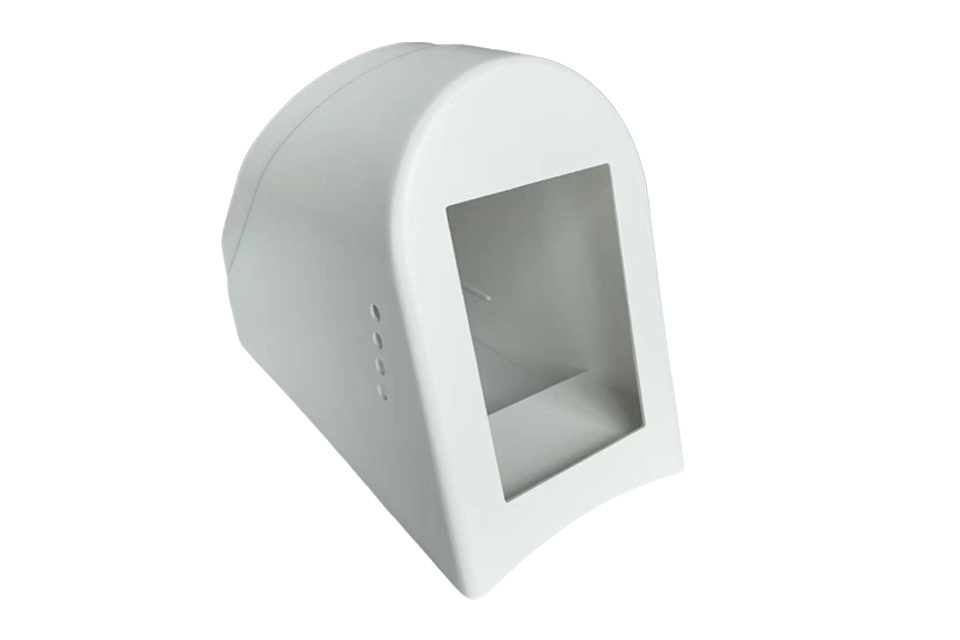
A beauty device enclosure has to do more than protect internal electronics. For tabletop aesthetic and physiotherapy equipment, the housing
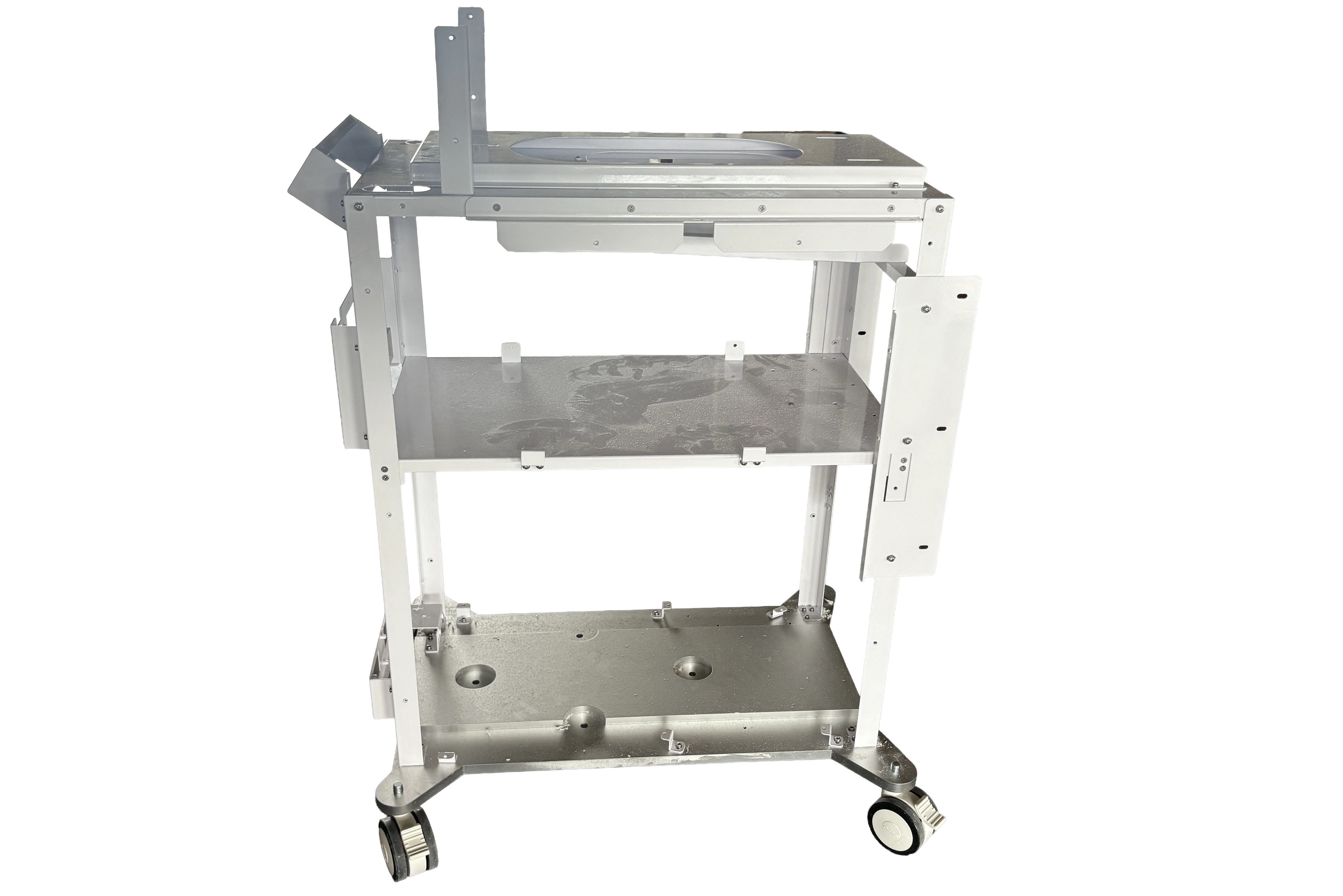
A mobile medical or aesthetic device is more than an outer plastic housing. Behind the enclosure, there is often a
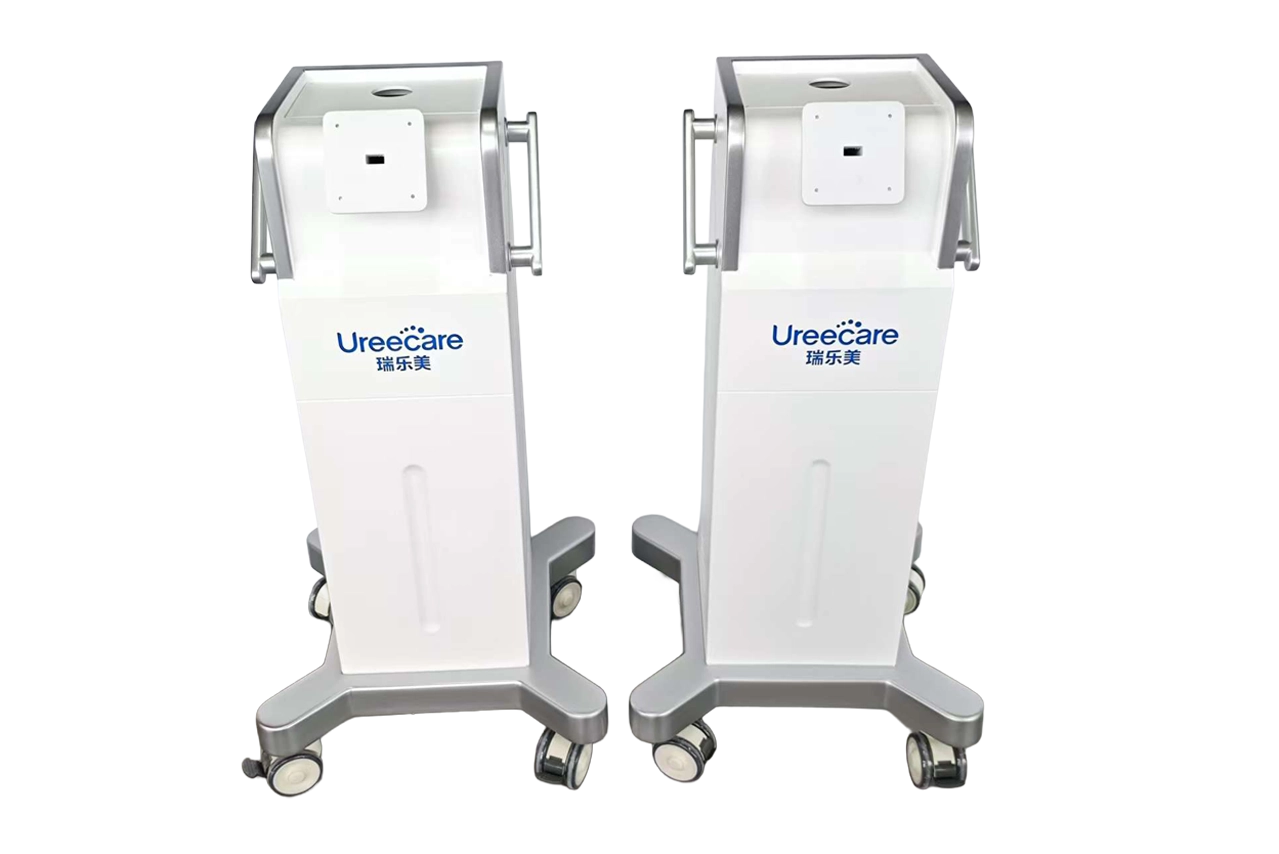
A medical device cart enclosure must do more than cover the electronics inside a mobile medical system. It needs to
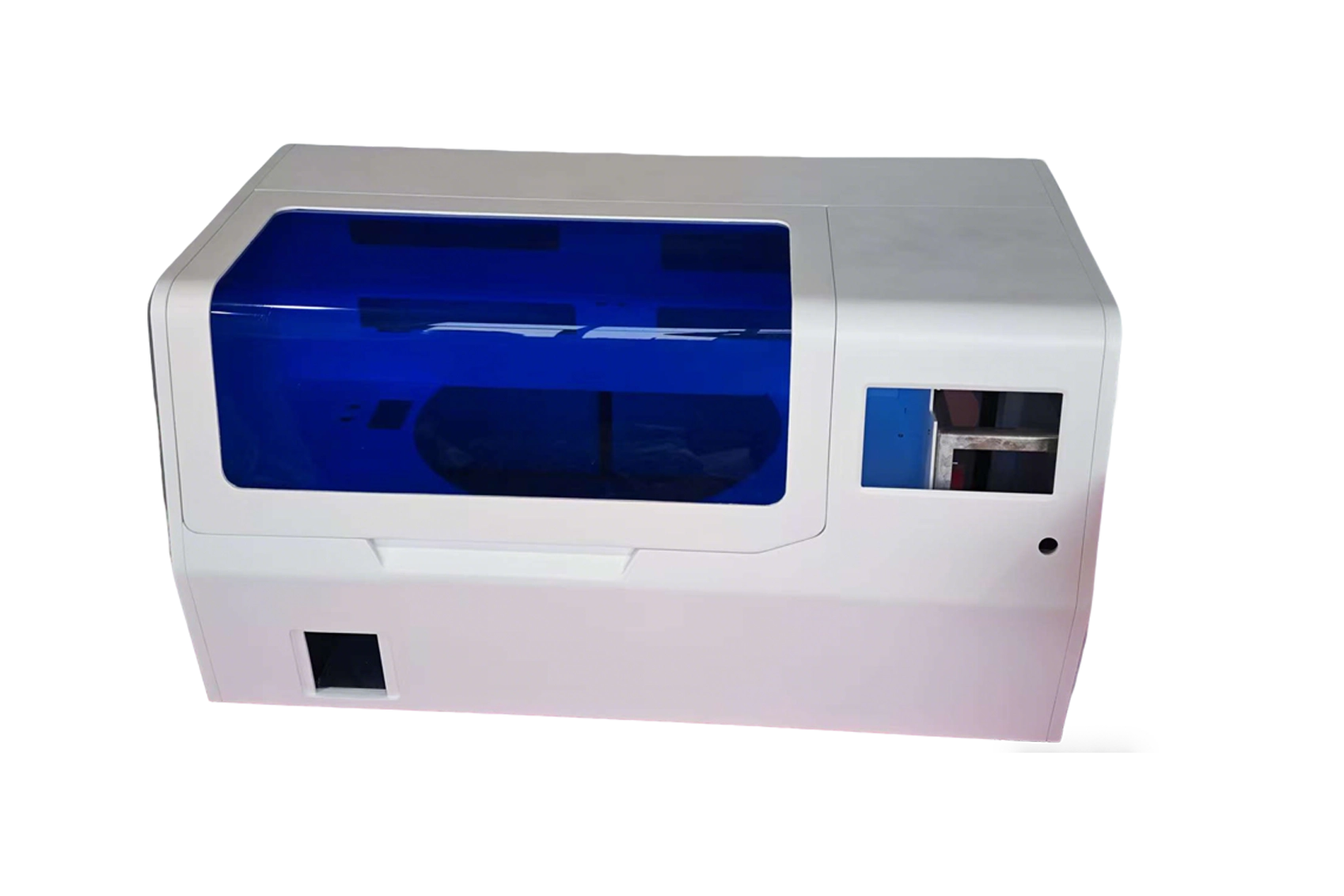
A custom medical device enclosure must do more than cover the equipment inside. For laboratory and diagnostic instruments, the enclosure
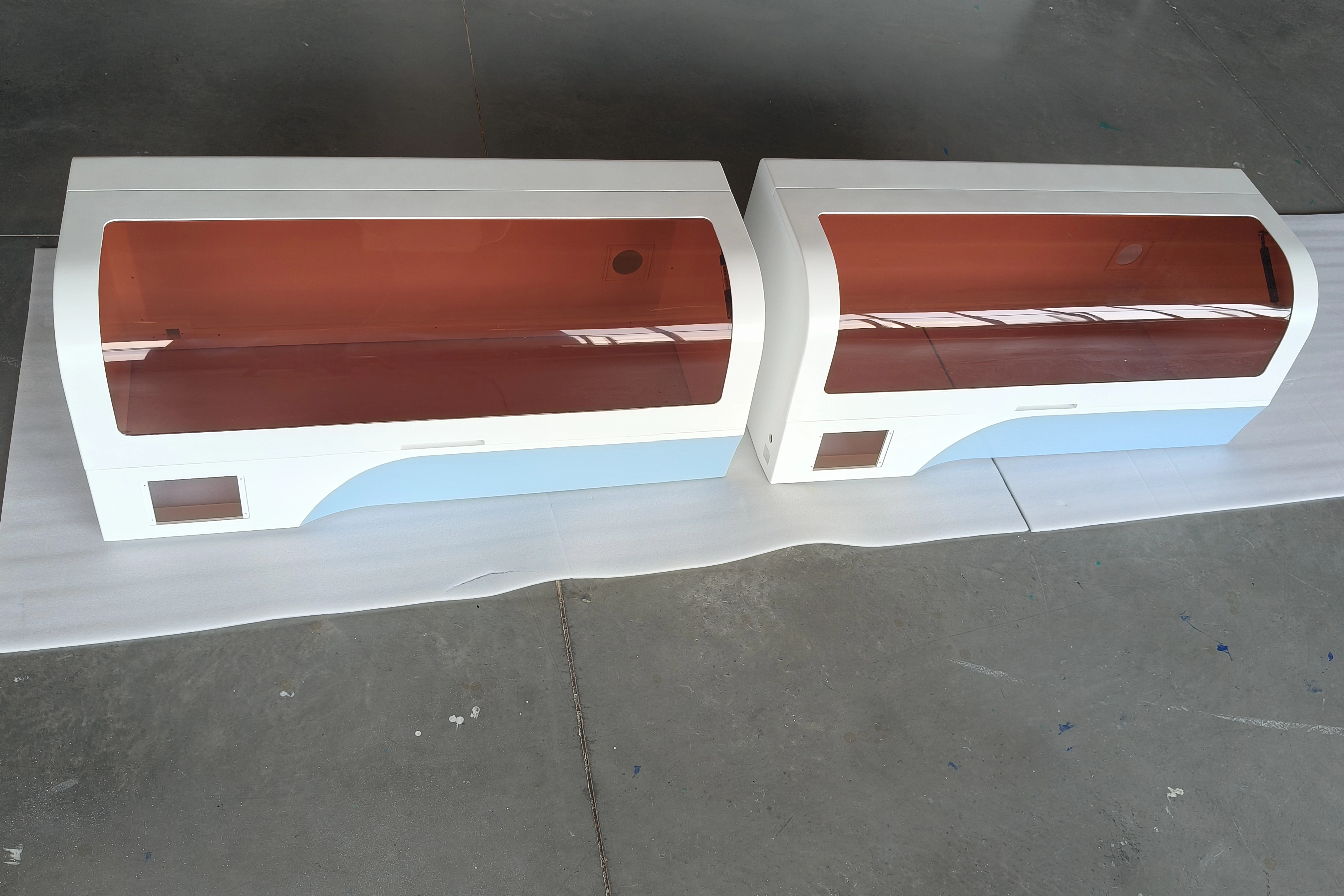
A laboratory equipment enclosure has to do more than cover the internal mechanism. For automated laboratory analyzers, the housing must
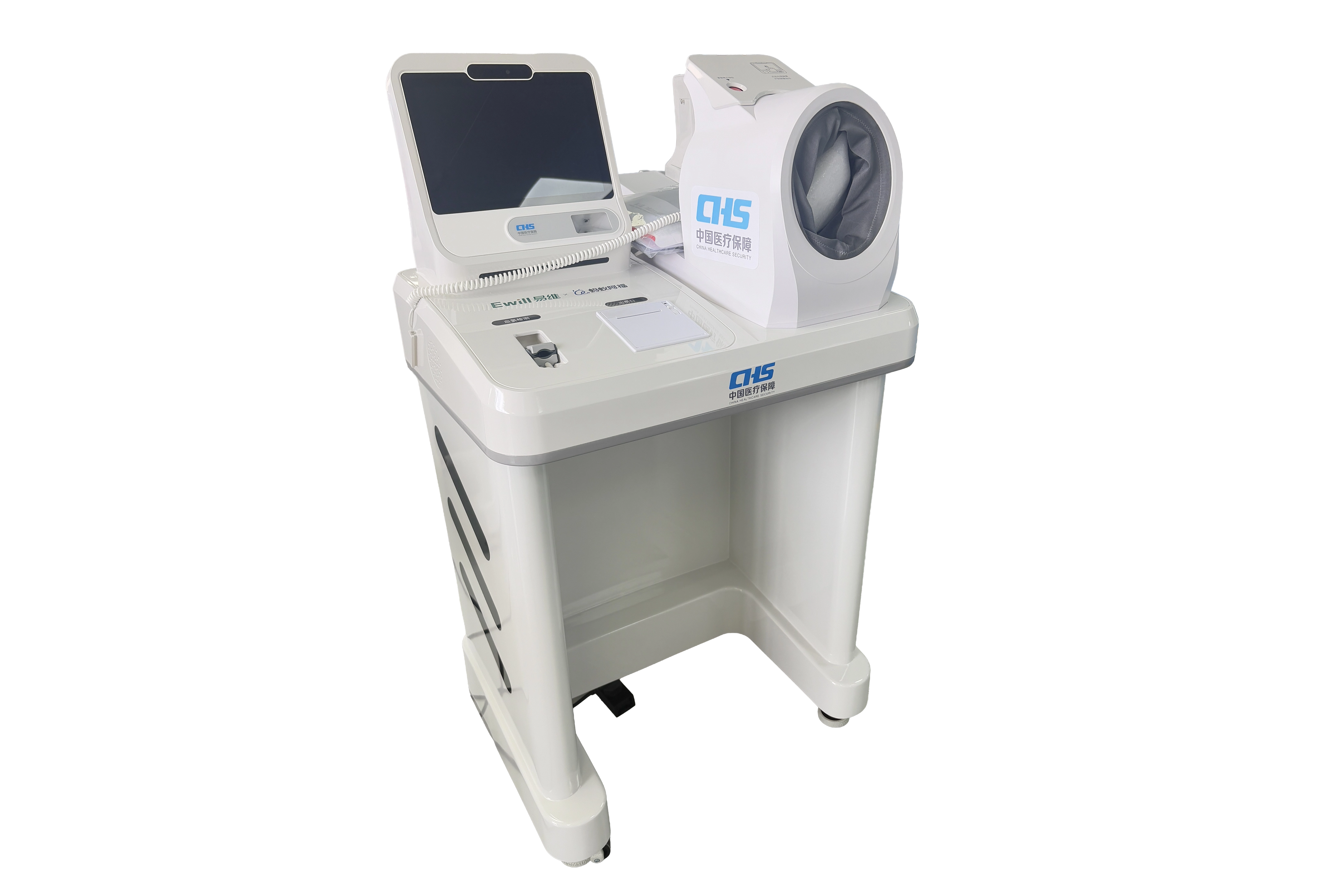
A medical equipment enclosure has to do more than provide an attractive exterior. It must protect internal electronics, support functional