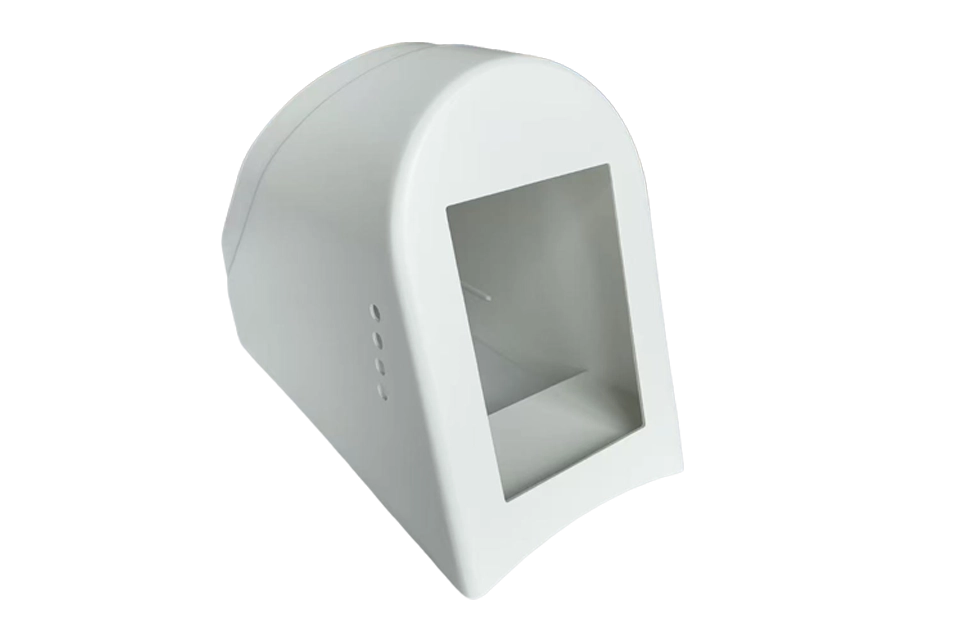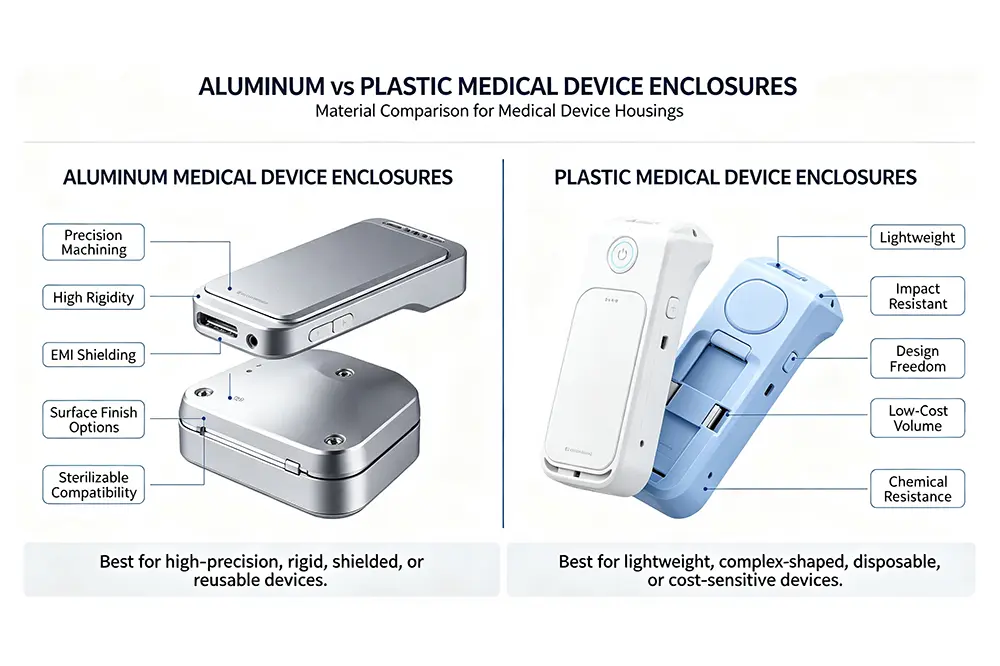
Medical and health-screening equipment often combines electronics, sensors, displays, printers, structural components, and user-facing interfaces in a single enclosure. That makes enclosure manufacturing more than an appearance-driven exercise. The housing must provide structural support, accurate openings, reliable component positioning, serviceability, and a finish suitable for repeated public use.
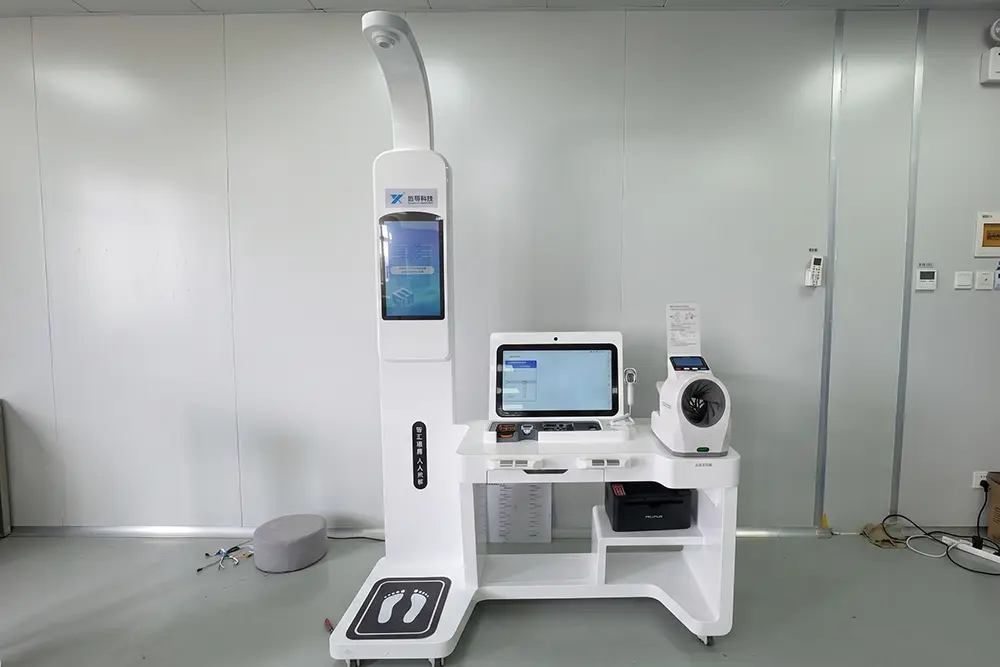
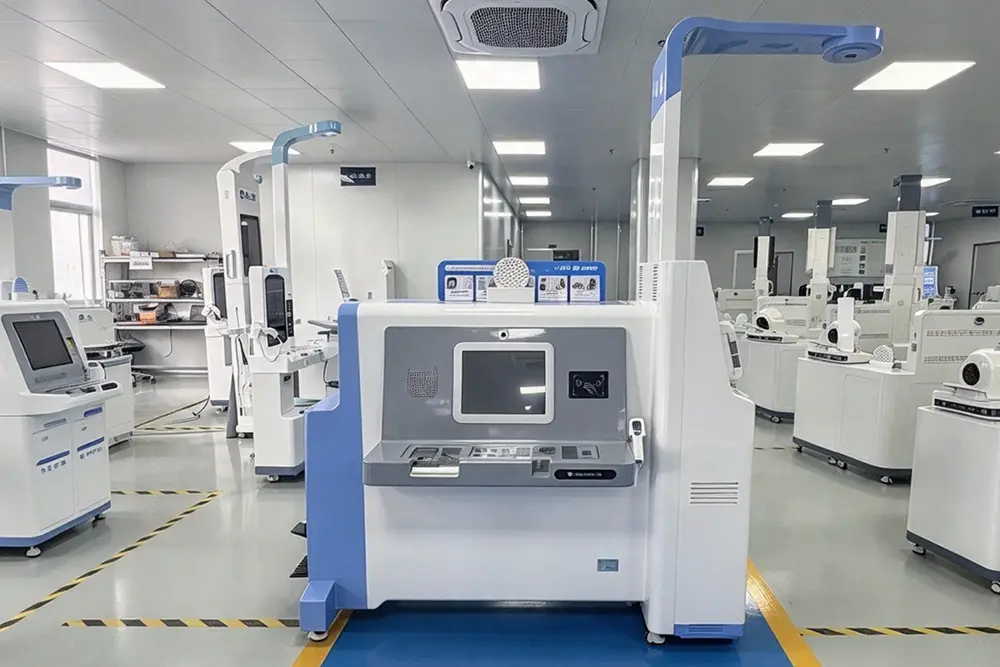
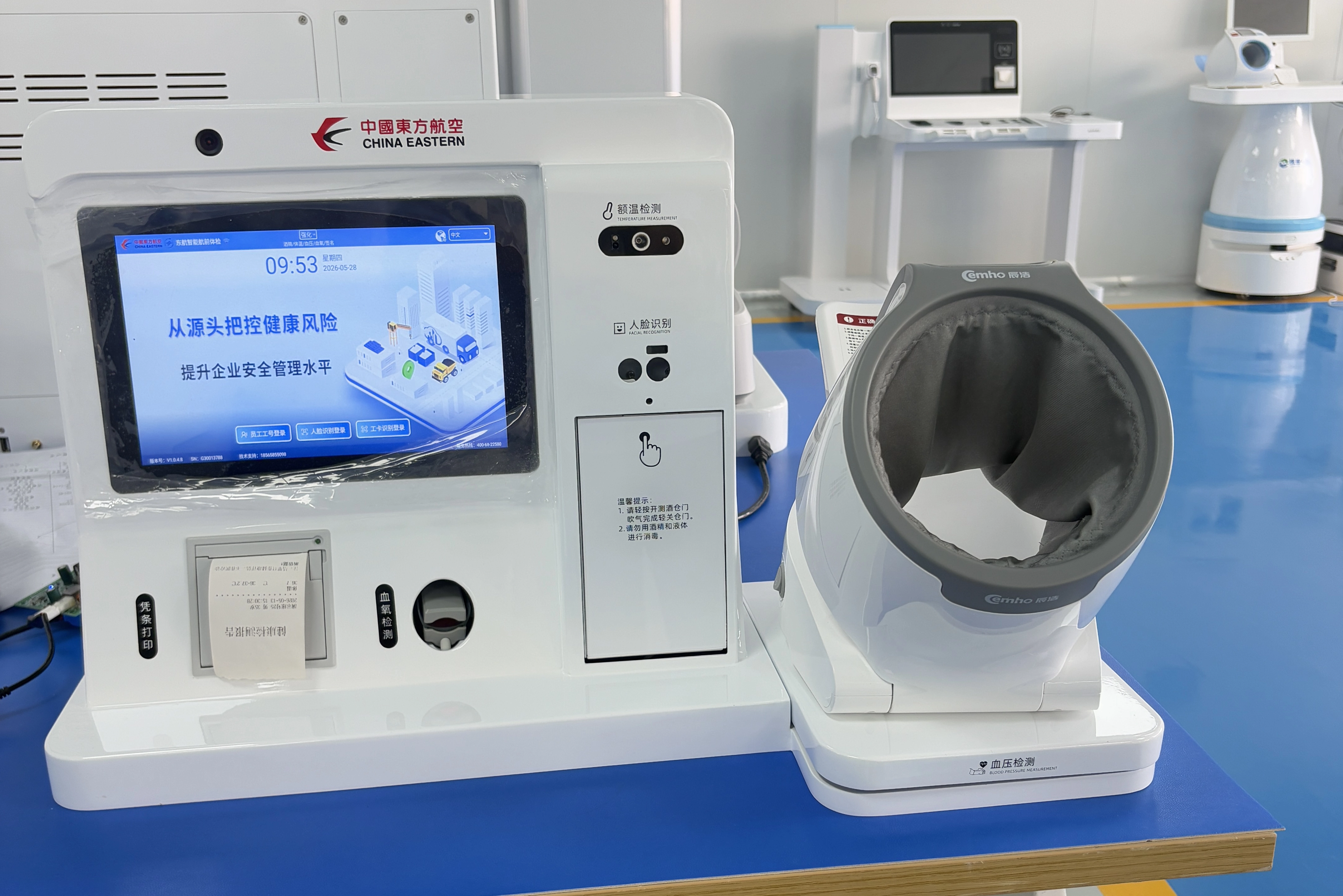
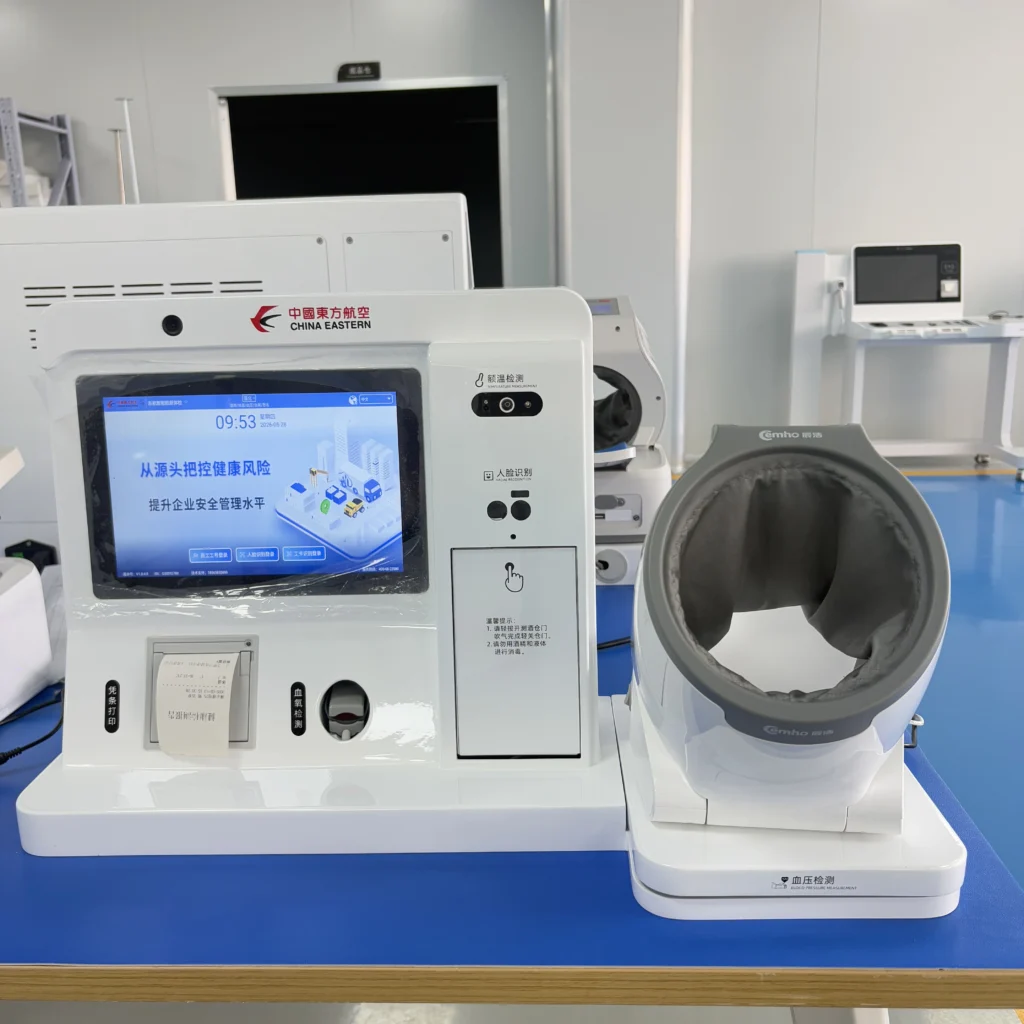
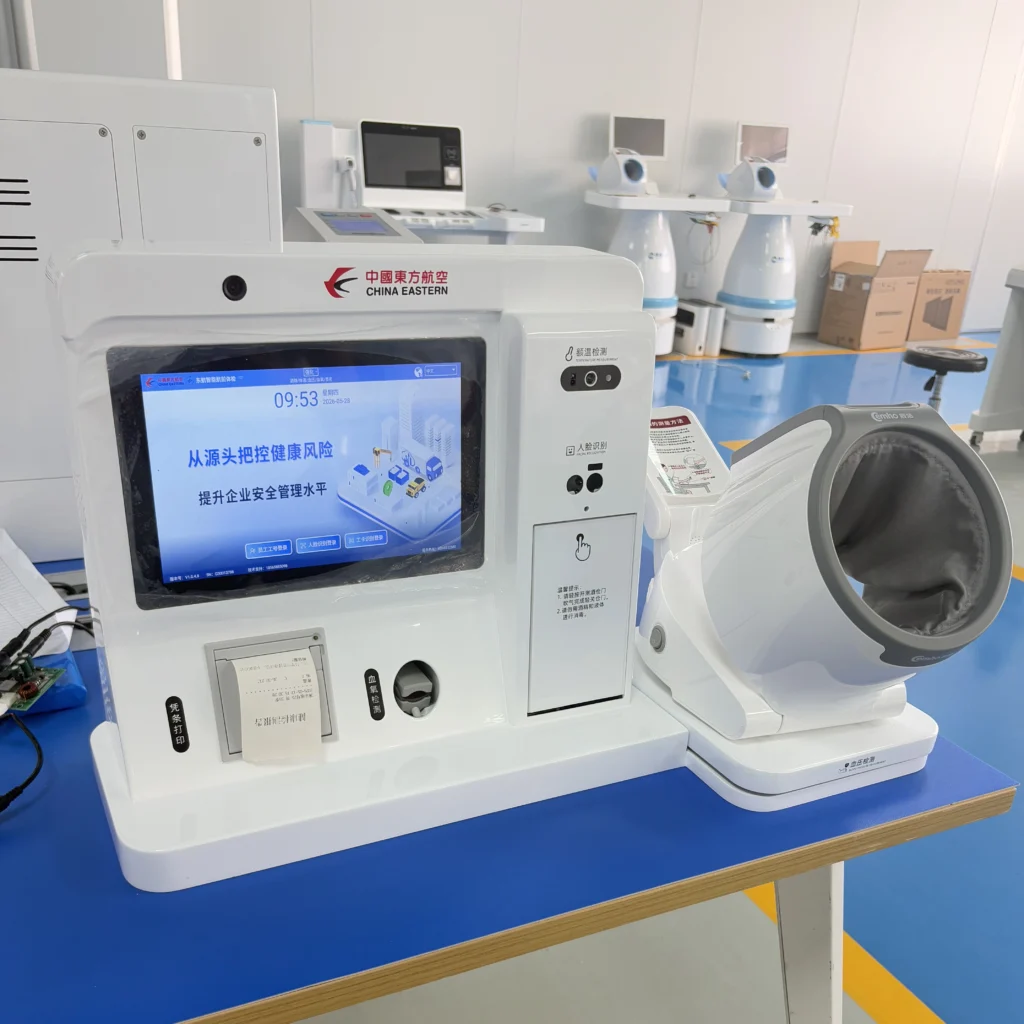
This project involved medical device enclosure manufacturing for a self-service health screening workstation designed to integrate a large display, receipt printer, forehead temperature detection, facial recognition, blood oxygen measurement, and an external blood pressure module. The equipment was intended for health screening environments such as enterprises, airports, airlines, and other public or institutional locations.
At Zhongrongda, we manufactured the complete enclosure system using a combination of ABS, SPCC cold-rolled steel, and acrylic. Our Engineering Team had to coordinate CNC-machined ABS panels, a welded sheet-metal frame, an acrylic functional interface panel, surface finishing, and final assembly.
The project required us to balance appearance, dimensional accuracy, structural strength, component access, and manufacturability rather than treating the enclosure as a simple cosmetic shell.
Project Overview
| Item | Project Details |
|---|---|
| Industry | Medical & Health Screening Equipment |
| Application | Self-Service Health Screening Workstation |
| Country | China |
| Main Material | ABS |
| Internal Frame | SPCC Cold-Rolled Steel |
| Interface Panel | Acrylic |
| Main Host Dimensions | 560 × 330 × 460 mm |
| Blood Pressure Module Base | 320 × 285 × 310 mm |
| Combined Equipment Size | 845 × 330 × 460 mm |
| ABS Wall Thickness | 4.0 mm |
| Linear Tolerance | ±0.8 mm for 0–250 mm; ±1.2 mm for 250–600 mm |
| Surface Finish | ABS painted finish, acrylic engraving & screen printing, epoxy primer on steel |
| Manufacturing Process | CNC prototype machining, sheet metal fabrication, acrylic machining, assembly & finishing |
| Quantity | Prototype, validation, small batch and subsequent production |
| Lead Time | Project-dependent and confirmed after drawing/DFM review |
For projects with similar requirements, our Medical Device Enclosure capabilities allow us to coordinate structural, cosmetic, and functional enclosure requirements within one manufacturing workflow.
Customer Requirements
The workstation needed to house multiple electronic and sensing components while remaining easy to assemble, maintain, and operate.
The internal SPCC steel frame had to provide sufficient structural support for the touchscreen display, thermal printer, temperature sensor, facial recognition camera, blood oxygen module, control board, power supply, and related electronics.
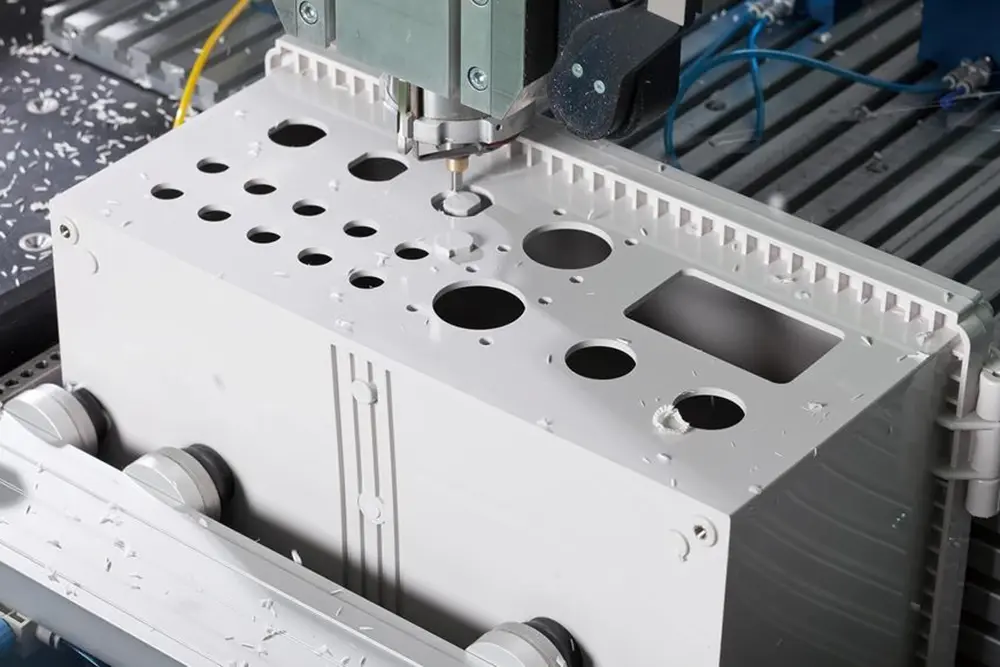
The ABS housing required accurately positioned openings for the display, camera, printer outlet, temperature detection module, facial recognition system, and blood oxygen interface. The workstation also needed a dedicated interface for an external blood pressure measurement unit.
From a service perspective, the enclosure was designed as a detachable structure. This allowed technicians to access the display, printer mechanism, sensors, and internal electronics during assembly, debugging, maintenance, and consumable replacement.
Appearance was equally important. The customer required a predominantly white enclosure with a clean, integrated appearance, rounded edges, uniform seams, and an inset acrylic interface panel. The finished housing also needed to tolerate routine cleaning and disinfection associated with public-use equipment.
The acrylic panel incorporated engraved and screen-printed functional labels, including areas for temperature detection, receipt printing, and blood oxygen measurement.
Manufacturing Challenges
1. Multiple Functional Openings
The enclosure contained numerous openings located across curved and assembled ABS components. Small positional errors could affect the fit of displays, sensors, printer mechanisms, and interface components.
We therefore treated the opening layout as an assembly requirement rather than simply a machining requirement.
2. ABS and Acrylic Fit
One of the most important challenges was controlling the relationship between the ABS housing and the inset acrylic panel.
The acrylic had to sit securely inside the housing slot without excessive clearance, interference, lifting, or uneven gaps. We paid particular attention to the machining dimensions of the acrylic, the ABS mounting groove, and the final painted dimensions.
3. Large Integrated Base
The large one-piece base platform combined a substantial ABS structure with multiple assembled components. CNC machining, bonding, filling, sanding, and painting could introduce dimensional changes or visible deformation.
The process therefore required controlled machining and progressive surface preparation rather than relying on a single finishing operation.
4. Internal Structural Integration
The SPCC frame had to support the equipment while leaving adequate space for wiring, electronics, heat dissipation, assembly, and future maintenance.
This meant the enclosure structure and internal frame had to be considered together.
5. Surface Quality
The finished ABS housing was required to have a smooth white painted surface without dents, scratches, obvious machining marks, or uneven seams.
For a public-facing health screening device, cosmetic defects are particularly noticeable, so surface preparation became an important part of the manufacturing process.
Our Engineering Solution
At Zhongrongda, our Engineering Team approached the project through a combination of DFM review, process planning, machining control, fixture considerations, and inspection.
During the DFM stage, we reviewed the relationship between the ABS housing, SPCC frame, acrylic panel, and equipment interfaces. We paid particular attention to the locations where separate components had to work together during final assembly.
For the ABS components, we planned CNC machining around the external geometry, screen window, printer opening, sensor interfaces, and acrylic mounting features. Multiple prototype pieces were then assembled and adjusted to achieve the required fit.
The SPCC frame was laser cut, CNC bent, welded, corrected, and ground. Welding deformation was controlled before the frame moved to surface preparation and coating.
For the acrylic panel, CNC machining was used to produce the external profile and positioning features. The functional markings were engraved and screen printed after machining.
Our manufacturing team also used progressive sanding and surface preparation on the ABS housing to reduce CNC tool marks and visible seams before painting. The final coating process included ABS-compatible primer and white gloss paint.
For related enclosure projects, our Rapid Prototyping workflow helps customers validate enclosure structure and appearance before moving into larger production quantities.
Why Choose Zhongrongda
Engineering Support
Our Engineering Team supports projects from drawing review and DFM through prototyping, manufacturing, finishing, inspection, and delivery.
Fast Quotation
Customers can send drawings, 3D files, specifications, or project requirements for engineering evaluation and quotation.
Rapid Prototyping
We support prototype development for enclosure validation, assembly testing, appearance review, and engineering verification.
Small Batch Manufacturing
We can support projects progressing from prototype and validation into small-batch and larger-volume production.
Quality Control
Our quality system is supported by ISO9001 and ISO13485 certification, with inspection procedures appropriate for equipment enclosure manufacturing.
Confidential Development
For projects involving proprietary product designs, we can support NDA and confidentiality requirements.
Our manufacturing capabilities also extend to Laboratory Equipment Enclosures, Diagnostic Equipment Enclosures, Medical Robot Enclosures, and other equipment housing applications where mechanical structure and appearance must work together.
FAQ
1. What is the typical MOQ for a medical device enclosure?
MOQ depends on the manufacturing process, material, enclosure complexity, and project stage. We support prototype, validation, small-batch, and larger-volume requirements. The appropriate quantity can be confirmed after reviewing the drawings and production requirements.
2. How long does medical device enclosure manufacturing take?
Lead time depends on enclosure size, material combination, surface finishing, assembly requirements, and quantity. Prototype projects generally require less time than production programs involving tooling or larger quantities. We confirm the production schedule after DFM and quotation review.
3. What tolerance can you achieve for medical equipment enclosures?
Tolerance depends on the material, dimensions, geometry, and manufacturing process. For this project, the specified linear tolerance was ±0.8 mm for dimensions from 0–250 mm and ±1.2 mm for dimensions from 250–600 mm.
4. What materials can you use for custom medical device enclosures?
We work with materials including ABS, acrylic, SPCC cold-rolled steel, aluminum, and other engineering materials depending on the application. Material selection is based on structural requirements, appearance, manufacturing process, environment, and cost.
5. What surface finishes are available?
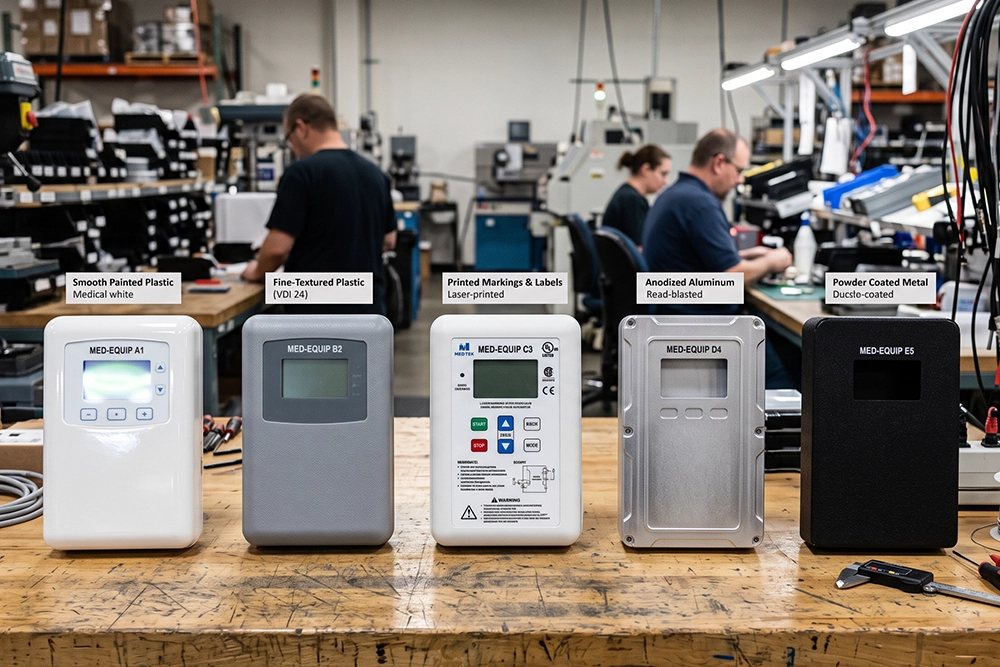
Available finishes can include painted plastic surfaces, powder coating, metal finishing, engraving, screen printing, and other treatments. For this project, the ABS housing received primer and white paint, while the SPCC frame received epoxy primer and the acrylic panel received engraving and screen printing.
6. Can you sign an NDA for a medical enclosure project?
Yes. We understand that medical equipment designs can contain proprietary mechanical structures, electronics layouts, and industrial designs. NDA and confidentiality requirements can be discussed before project information is exchanged.
7. Can you manufacture prototypes before mass production?
Yes. We support rapid prototyping and engineering validation before production. Prototype enclosures allow customers to verify component fit, openings, assembly, appearance, and serviceability before increasing production volume.
8. Do you manufacture complete medical device enclosures?
Yes. Our capabilities cover multi-material enclosure projects involving plastic housings, sheet-metal structures, acrylic panels, machining, surface finishing, assembly, and inspection.
9. Can you support small-batch medical equipment production?
Yes. We support projects that move from prototype to validation, small-batch manufacturing, and subsequent production. The manufacturing approach can be adjusted according to the expected quantity and project stage.
10. Can you review my enclosure design before quoting?
Yes. Our Engineering Team can review your drawings and 3D files for manufacturability, material selection, assembly interfaces, machining requirements, and potential production risks before preparing a quotation.
CTA
Need a reliable CNC machining partner for your next project?
Upload your drawings today and our engineering team will provide a free DFM review and quotation within 24 hours.
Whether you need a prototype, small batch, or production-ready equipment enclosure, we can help evaluate the structure, materials, manufacturing process, surface finishing, and assembly requirements.
For your next medical equipment housing project, Contact our engineering team to discuss your requirements.