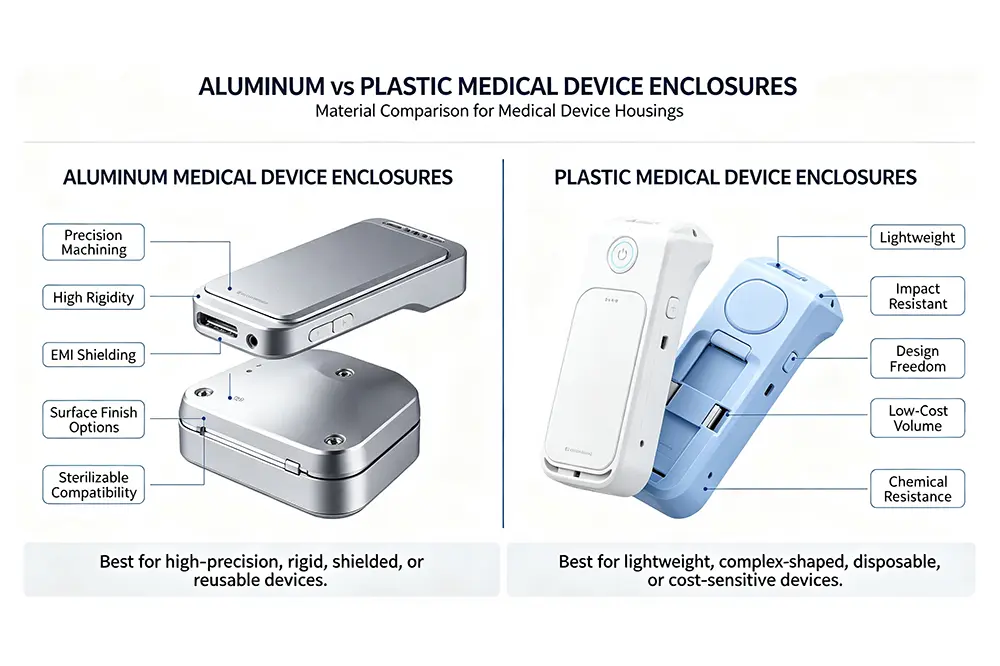
Introduction
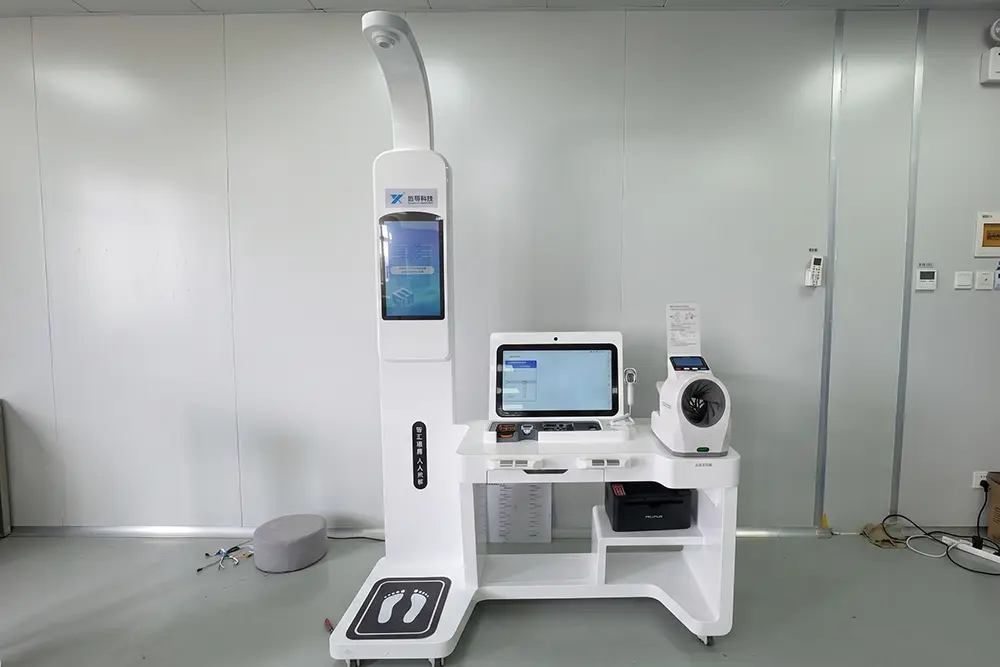
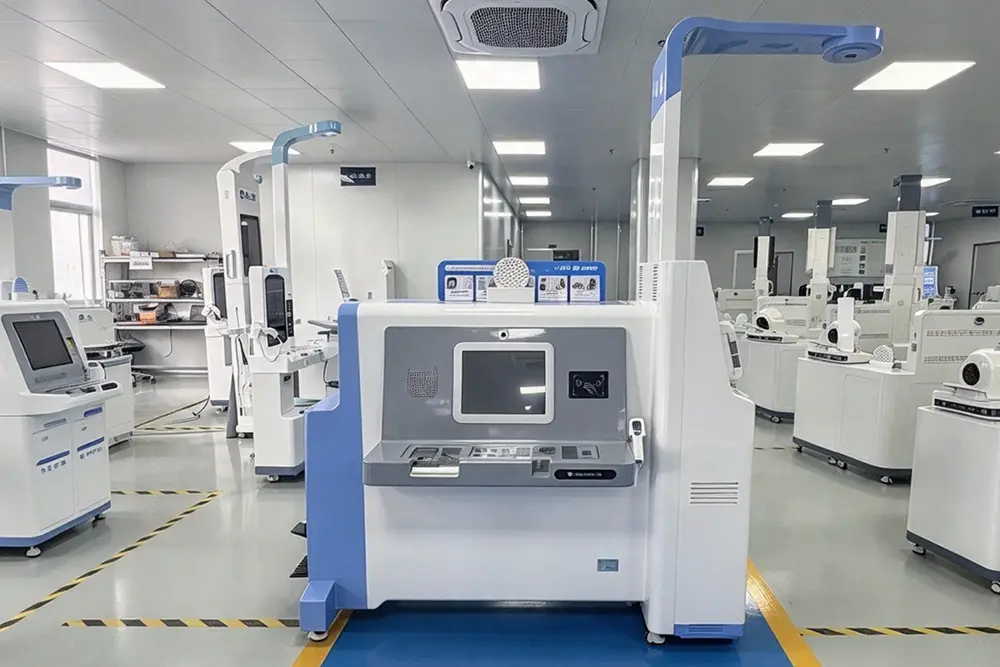
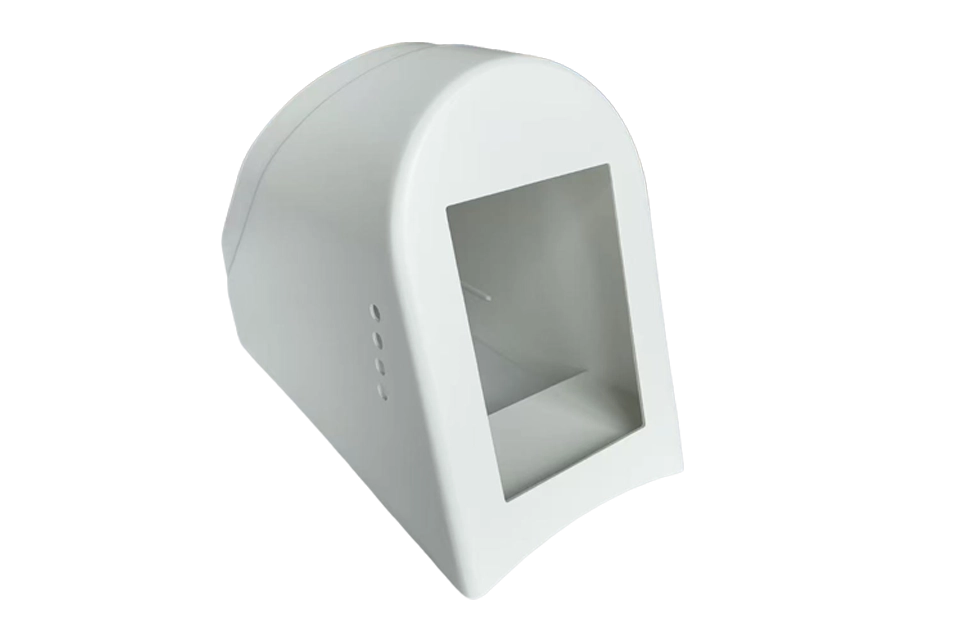
Medical enclosure surface finishing is not only about appearance. The right finish can affect how an enclosure looks, feels, is cleaned, identified and maintained throughout its service life.
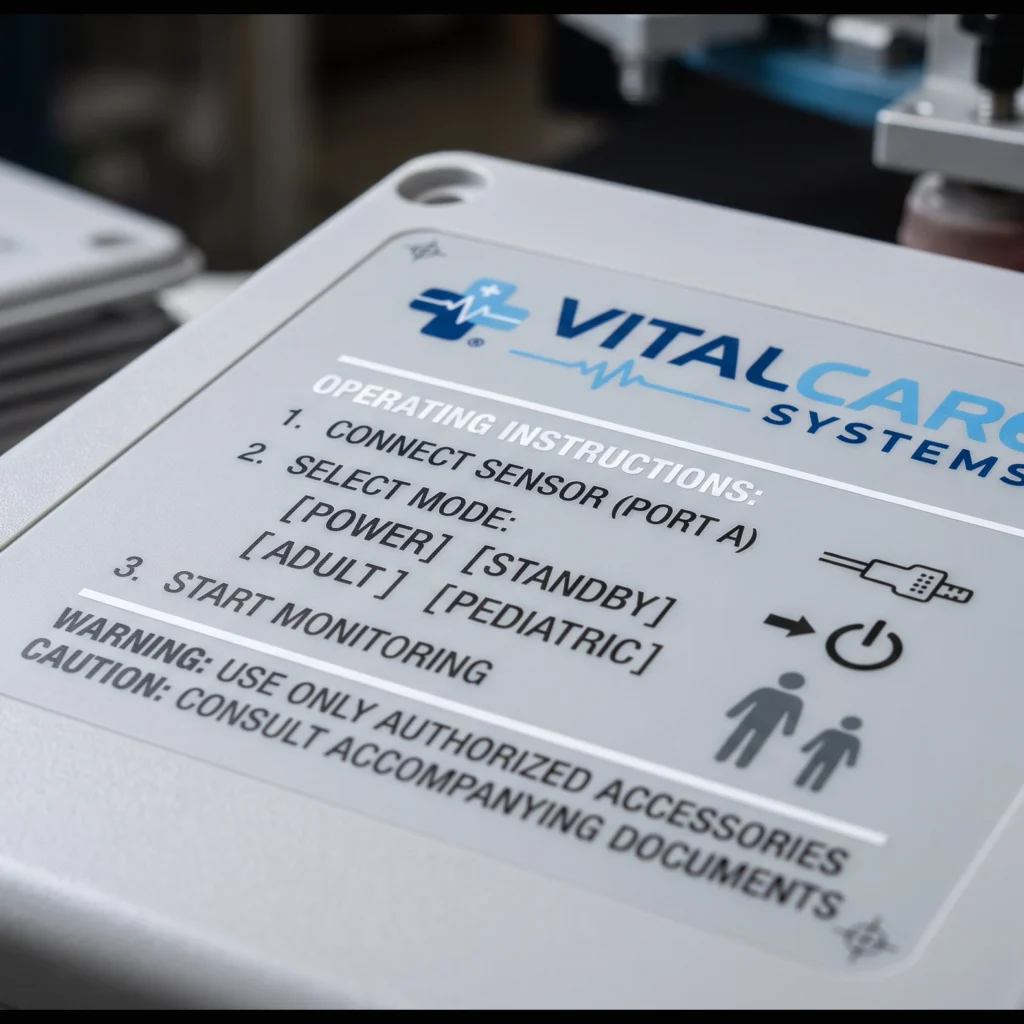
Painting can provide a defined color and appearance, while texturing can change the surface feel and make minor fingerprints or wear less noticeable. Screen printing and laser marking can add logos, operating instructions, warnings and identification marks.
For medical equipment manufacturers, the finish should therefore be specified together with the enclosure material, cleaning requirements, color, gloss level, marking method and production process.
At Zhongrongda, we treat surface finishing as part of the enclosure manufacturing process rather than as an isolated cosmetic step. The appropriate solution depends on the equipment application, material, production volume and required appearance.
Why Does Surface Finishing Matter for Medical Enclosures?
A medical equipment enclosure can be touched, cleaned, disinfected, transported and assembled repeatedly. Its surface therefore has to satisfy more than visual requirements.
Before selecting a finish, consider five factors:
- Appearance — color, gloss and texture
- Cleanability — compatibility with the intended cleaning process
- Wear — resistance to visible scratches, rubbing and handling
- Identification — logos, labels, instructions and markings
- Manufacturing process — compatibility with ABS, PC, PC-ABS, sheet metal or other materials
A finish that looks good on a sample may not necessarily be the right choice for production.
The specification should be based on the actual operating environment of the medical device.
Appearance and Brand Consistency
Medical equipment often uses controlled color schemes across different housings, panels and accessories.
Instead of specifying a color only as “white” or “light gray,” buyers can provide:
- Pantone reference
- RAL reference
- Approved physical sample
- Gloss level
- Surface texture
- Paint or coating requirement
This gives the manufacturer a clearer target for production and inspection.
Cleaning and Chemical Exposure
Medical equipment may be cleaned or disinfected regularly.
The surface treatment should therefore be evaluated against the actual cleaning and disinfecting chemicals used for the product.
Important factors can include:
- Coating adhesion
- Surface degradation
- Color change
- Gloss change
- Staining
- Peeling or flaking
The required testing should be defined according to the actual device application rather than assumed from the coating name alone.
Wear and Daily Handling
Operators may repeatedly touch handles, control panels, doors and other frequently used areas.
A fine texture can sometimes make fingerprints and minor surface wear less noticeable. However, texture selection should still consider cleaning, tooling, appearance and the required tactile feel.
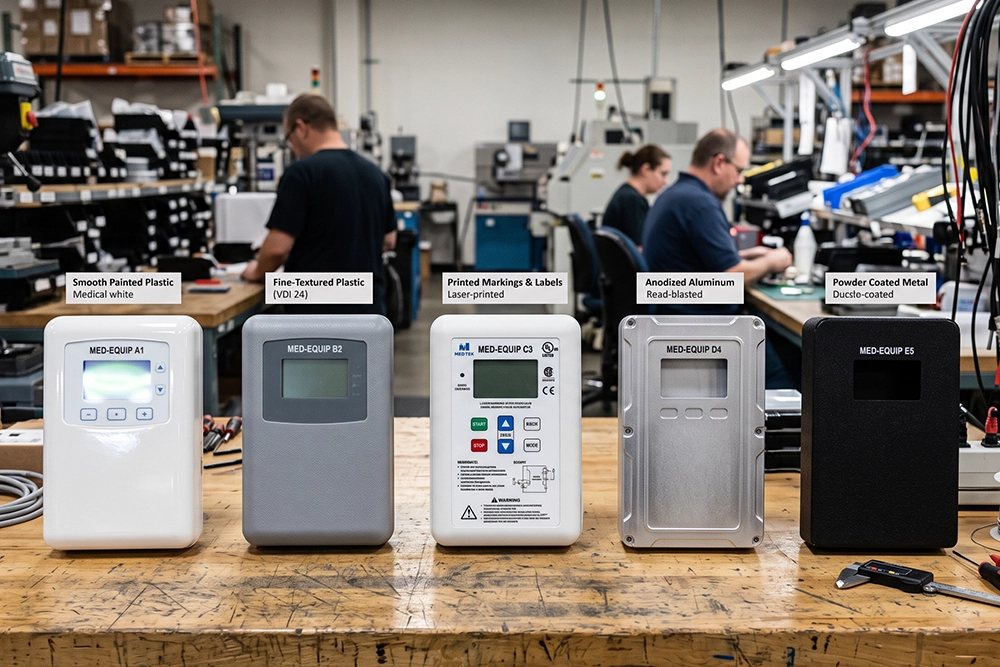
Painting vs Texturing vs Printing vs Laser Marking
Different finishing methods solve different problems.
| Surface Finish | Primary Purpose | Typical Application | Key Consideration |
|---|---|---|---|
| Painting | Color, appearance and surface protection | Plastic and metal housings | Adhesion, chemical exposure and appearance consistency |
| Texturing | Surface feel and visual uniformity | Plastic enclosure surfaces | Texture consistency and cleanability |
| Screen Printing | Logos, instructions and graphics | Panels and control areas | Ink adhesion and wear |
| Laser Marking | Permanent identification and markings | Selected plastics and metals | Material compatibility and contrast |
| Anodizing | Aluminum appearance and surface treatment | Aluminum components | Alloy, color and process consistency |
The best option depends on the material and application.
For example, a large control panel with several colors may be better suited to screen printing, while a serial number or permanent identification mark may be more suitable for laser marking.
When Should You Choose Painting for a Medical Enclosure?
Painting is commonly considered when the enclosure requires a specific color, visual appearance or surface treatment.
When Appearance Is Important
Paint can provide a controlled appearance across an enclosure or equipment family.
This is particularly useful when:
- The equipment has a defined brand color
- Multiple enclosure components must visually match
- The natural material color is unsuitable
- A specific gloss level is required
- The product requires a consistent industrial finish
For production projects, color should be defined using a recognized reference or approved physical sample.
When Surface Protection Is Required
Depending on the substrate and coating system, painting may also provide additional surface protection.
However, buyers should avoid treating all paint systems as equivalent.
The final specification should consider:
- Substrate material
- Surface preparation
- Primer
- Paint system
- Curing method
- Adhesion
- Cleaning exposure
- Required appearance
What Should Be Specified Before Painting?
A useful RFQ should include:
- Base material
- Color reference
- Gloss level
- Texture
- Coating type
- Surface preparation
- Adhesion requirements
- Cleaning or disinfectant exposure
- Inspection requirements
- Approved reference sample, if available
The more clearly these requirements are defined before production, the easier it is to maintain consistent results.
When Does Texturing Make Sense?
Texturing changes the physical appearance and feel of a surface.
It can be useful when a completely smooth surface would show fingerprints, minor marks or handling wear too easily.
Fine Texture vs Smooth Surface
A smooth finish can provide a clean, modern appearance and may be appropriate for certain medical equipment surfaces.
A fine texture may be selected when the product requires:
- Reduced visibility of fingerprints
- A more technical appearance
- A specific tactile feel
- Better visual consistency during daily use
The correct texture depends on the enclosure design and manufacturing process.
Texture Consistency Matters in Production
For molded or formed plastic parts, texture should be considered early in the manufacturing process.
Changing the texture after tooling or production planning may affect:
- Tooling
- Appearance
- Part surface
- Production cost
- Lead time
For this reason, texture should be included in the engineering specification before production begins.
Screen Printing or Laser Marking: Which Is Better?
There is no universal winner between screen printing and laser marking.
The appropriate method depends on what needs to be marked, the material and the expected use conditions.
| Requirement | Screen Printing | Laser Marking |
|---|---|---|
| Company logo | Yes | Yes |
| Multi-color graphics | Yes | Limited |
| Large graphic area | Yes | Usually less suitable |
| Operating instructions | Yes | Yes |
| Serial numbers | Possible | Suitable for many applications |
| Permanent identification | Depends on ink/process | Suitable for selected materials |
| Fine technical markings | Possible | Often suitable |
| Material compatibility | Depends on substrate and ink | Highly material dependent |
When Should You Use Screen Printing?
Screen printing can be useful for:
- Company logos
- Operating instructions
- Warning information
- Multi-color graphics
- Control-panel labels
- Product identification
The final durability depends on the substrate, ink system, surface preparation and application process.
When Should You Use Laser Marking?
Laser marking can be considered for:
- Serial numbers
- Permanent identification
- Technical markings
- Small labels
- Selected plastic surfaces
- Metal components
The result depends strongly on the material and laser process.
For plastics, the exact resin, additives, color and surface condition can influence the final contrast and appearance.
What About Antimicrobial Coatings?
Antimicrobial coatings can be considered for certain products and applications, but they should not be treated as a substitute for normal cleaning and disinfection procedures.
If antimicrobial performance is part of the product requirement, the buyer should define:
- The claimed antimicrobial function
- The substrate
- The coating system
- The test method
- The organisms or test conditions
- The required performance
- The intended service environment
For certain plastics and non-porous surfaces, ISO 22196 is one test method used to evaluate antibacterial activity.
However, a test method is not the same thing as a general medical-device approval.
Any antimicrobial claim should therefore be supported by appropriate test evidence for the actual material and coating system.
How Should You Specify Color for a Medical Enclosure?
Color should be specified as precisely as possible.
Pantone
Pantone references can be useful when brand colors need to be communicated consistently.
RAL
RAL references are widely used for industrial color specification and can be useful for equipment housings and metal components.
Physical Color Sample
For appearance-critical projects, a physical sample can provide a more practical production reference.
A complete finish specification can include:
Material + Color + Gloss + Texture + Surface Treatment + Marking
For example:
PC-ABS housing / RAL reference / fine texture / matte finish / screen-printed logo.
This is much more useful for production than simply writing:
White medical enclosure.
Can Vacuum-Formed Medical Enclosures Be Finished?
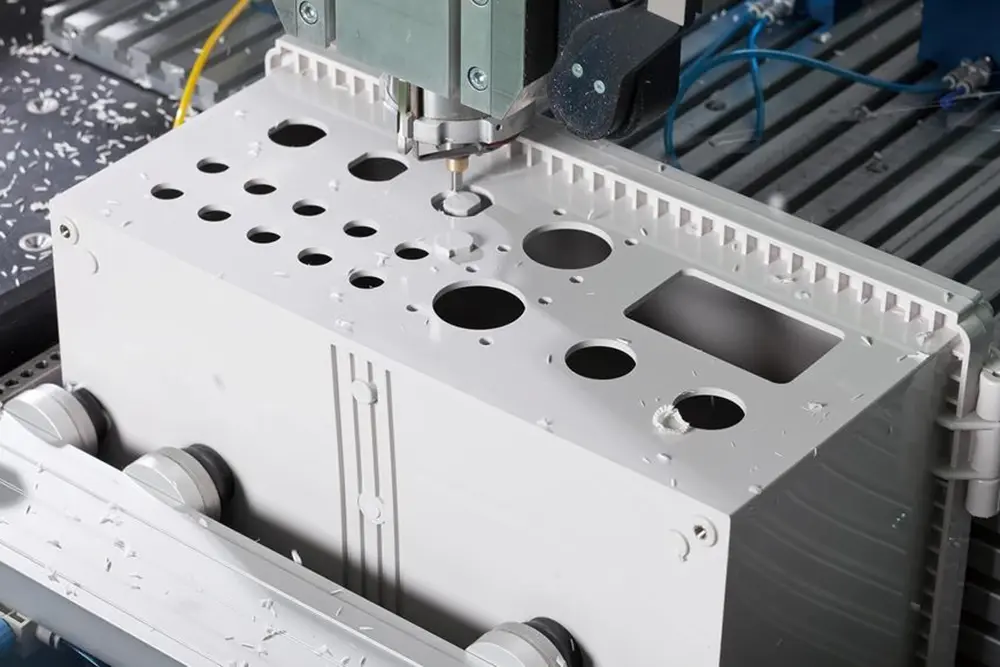
Yes, depending on the material and product requirements, vacuum-formed medical enclosures can be combined with additional machining and finishing operations.
A typical workflow may include:
Vacuum Forming → Trimming → CNC Machining → Surface Preparation → Painting / Printing → Inspection → Assembly
The final process depends on:
- Plastic material
- Part geometry
- Wall thickness
- Surface condition
- Required color
- Production quantity
- Marking requirements
- Appearance standard
Vacuum forming can be useful for certain low- to medium-volume enclosure applications where large plastic housings or complex external shapes are required.
Surface finishing should be considered during the enclosure design stage because openings, edges, joints and mounting areas can affect the final appearance.
How Should You Specify Medical Enclosure Finishing in an RFQ?
A clear RFQ helps the manufacturer understand both the appearance and functional requirements.
Medical Enclosure Finish RFQ Checklist
| Requirement | What to Provide |
|---|---|
| Material | ABS, PC, PC-ABS, aluminum, sheet metal, etc. |
| Color | Pantone, RAL or physical sample |
| Gloss | Matte, semi-gloss or gloss |
| Texture | Smooth or specified texture |
| Painting | Paint/coating requirement if applicable |
| Logo | Artwork or vector file |
| Marking | Screen printing, laser marking or other method |
| Cleaning | Cleaning/disinfectant requirements |
| Durability | Relevant wear or adhesion requirements |
| Quantity | Prototype, small batch or mass production |
| Reference | Existing sample or approved appearance sample |
| Inspection | Appearance and dimensional inspection requirements |
How Zhongrongda Approaches Medical Enclosure Surface Finishing
At Zhongrongda, surface finishing is considered together with enclosure design, material selection and manufacturing requirements.
Our engineering team can work with enclosure projects involving:
- ABS housings
- PC and PC-ABS housings
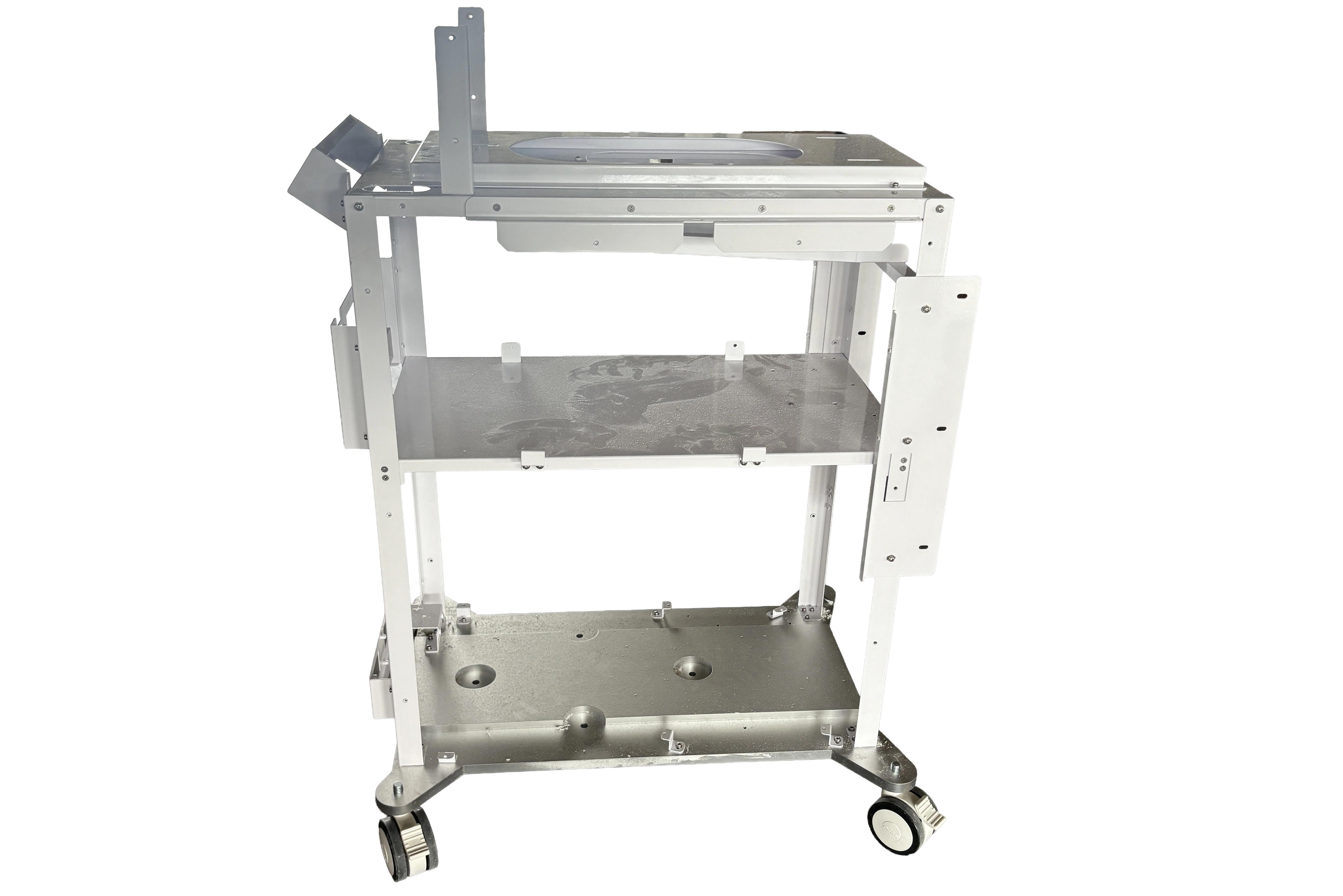
- Sheet metal structures
- Medical equipment carts
- Diagnostic equipment enclosures
- Laboratory equipment housings
- Large medical equipment enclosures
The finishing process is selected according to the actual enclosure material, geometry, appearance requirements and production plan.
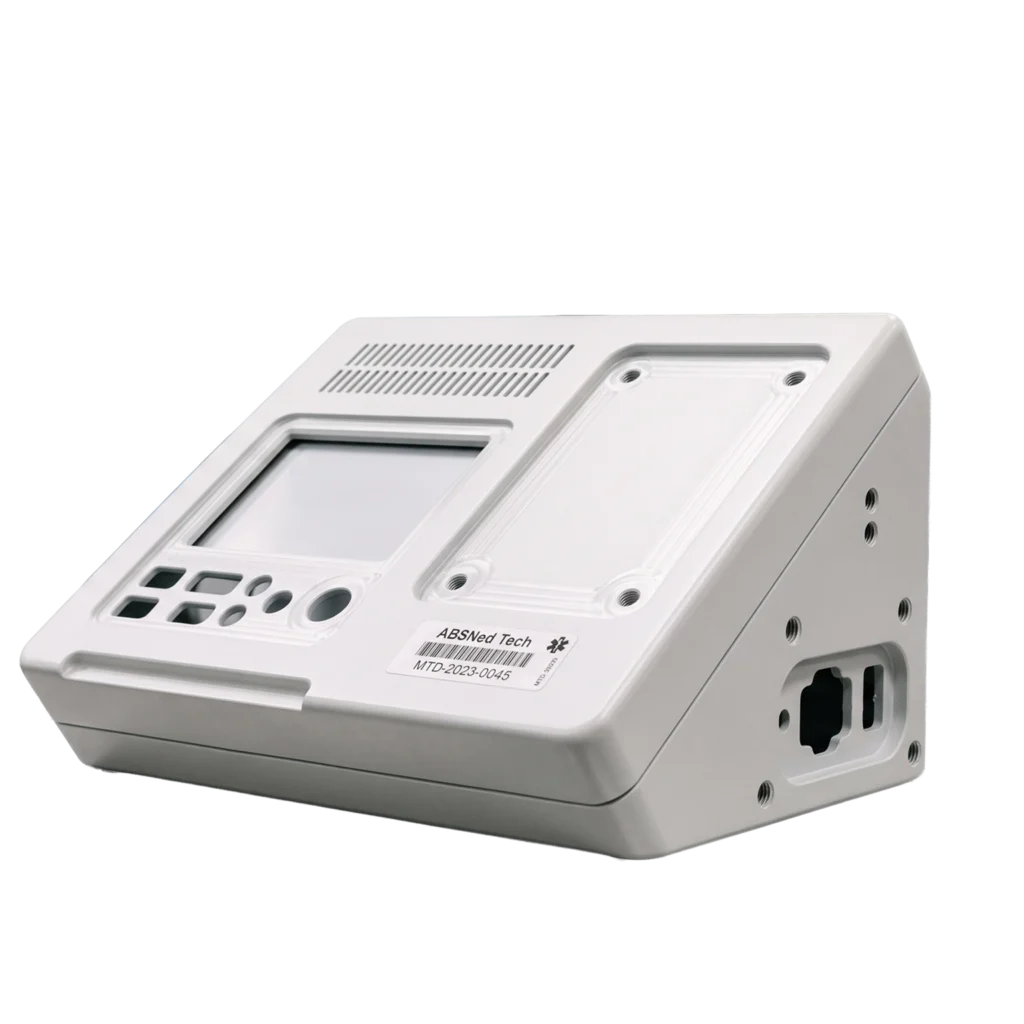
For example, an ABS prototype may require CNC machining, bonding, surface preparation and painting before final inspection. A production enclosure may require a different combination of forming, machining, coating, printing and assembly.
This is why we recommend defining the finish at the design and RFQ stage rather than treating it as a final cosmetic decision.
Medical Enclosure Surface Finishing: Practical Selection Guide
Use this simple decision process:
Choose Painting When:
- You need a specific color
- Brand appearance is important
- The natural material surface is unsuitable
- A defined surface appearance is required
Choose Texturing When:
- You want a specific tactile feel
- Fingerprints should be less visually prominent
- The product requires a controlled surface appearance
Choose Screen Printing When:
- You need multi-color graphics
- You need operating instructions
- You need logos or panel labels
Choose Laser Marking When:
- Permanent identification is important
- Serial numbers or technical markings are required
- The substrate is compatible with the selected laser process
Consider Antimicrobial Coating When:
- Antimicrobial performance is a defined product requirement
- Appropriate testing can support the claim
- The coating is compatible with the actual substrate and cleaning environment
Frequently Asked Questions
What surface finish is best for a medical enclosure?
There is no single finish that is best for every medical enclosure. The choice depends on the enclosure material, cleaning exposure, appearance requirements, marking method, handling conditions and manufacturing process.
Is painting necessary for a plastic medical enclosure?
Not always. Some plastic enclosures can use their natural material surface, while painting may be selected for color, appearance, branding or additional surface requirements.
Is laser marking better than screen printing?
Neither method is universally better. Screen printing is useful for larger or multi-color graphics, while laser marking can be suitable for permanent identification on compatible materials.
How should I specify the color of a medical enclosure?
Specify a recognized color reference such as Pantone or RAL. For appearance-critical projects, an approved physical sample can also be used together with the required gloss and texture.
Can medical enclosures have antimicrobial coatings?
Yes, antimicrobial coatings are available for certain materials and applications. Their performance should be verified using an appropriate test method and should not be considered a replacement for normal cleaning and disinfection procedures.
Can vacuum-formed medical enclosures be painted?
Depending on the material and design, vacuum-formed enclosures can undergo additional surface preparation and finishing processes. The complete process should be evaluated based on the substrate, geometry, appearance requirements and production volume.
Need Help Specifying Your Medical Enclosure Finish?
A surface finish specification does not need to be complicated, but it should be defined early enough to avoid changes during production.
Send us your enclosure drawing, 3D model, color reference, existing sample or even a basic concept.
Our engineering team can review the enclosure requirements and help define the appropriate manufacturing and finishing process before production.
Send Your Enclosure Requirements → Contact Zhongrongda