Frequently Asked Questions About Medical Robot Enclosures
FAQ
−
What types of medical robots can you support?
Answer:
We can review medical AI robots, rehabilitation and therapy robots, laboratory automation robots, mobile clinical service robots and robotic medical instrument platforms. The enclosure scope depends on the robot geometry, interfaces and project stage.
+
Can you work with our existing robot frame or internal structure?
Answer:
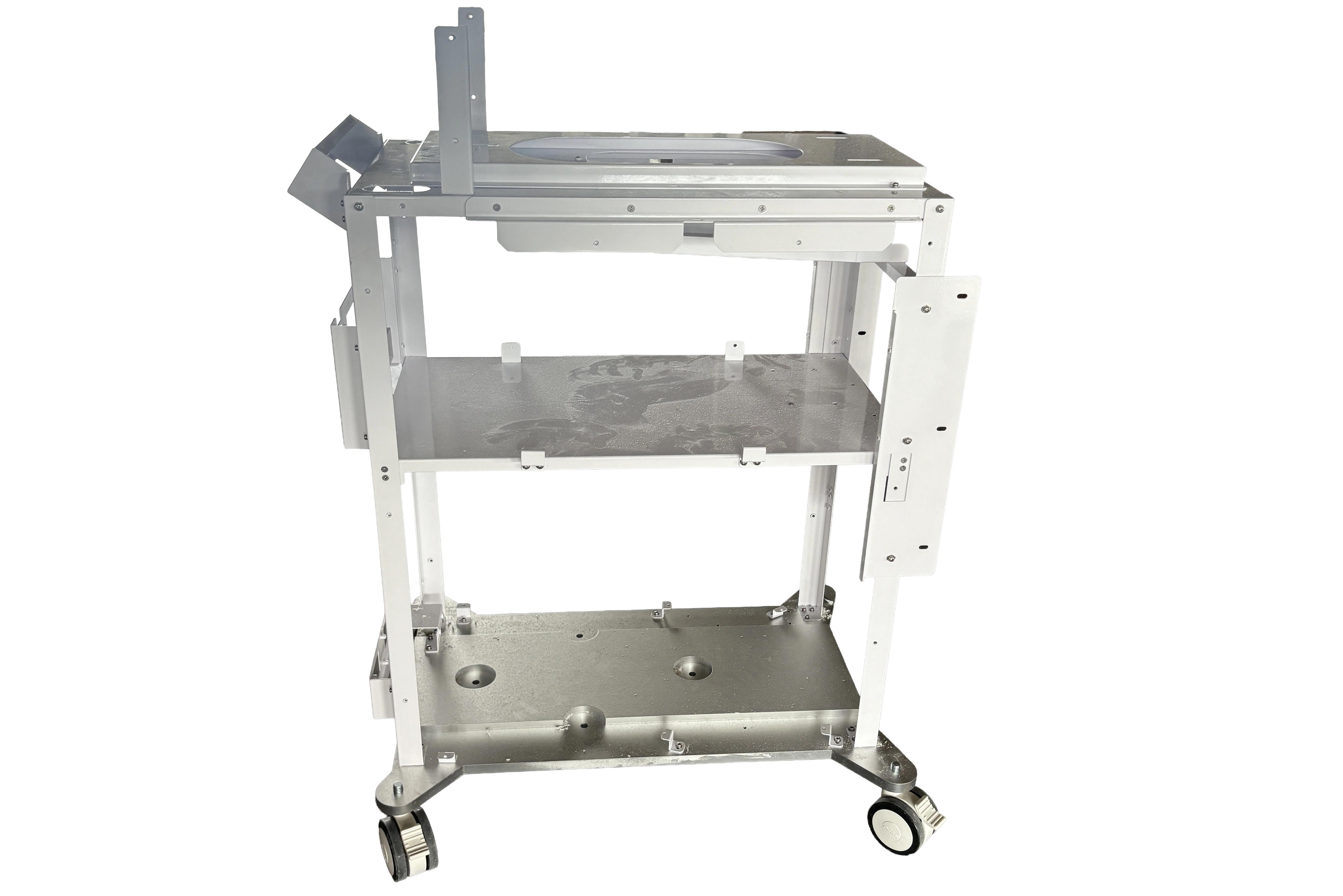
Yes. Provide the available 3D model, 2D drawings, frame data, module envelopes and mounting references. We can review the housing around the existing structure and identify missing interface information.
+
Can you design around moving arms, joints or wheels?
Answer:
Yes. The review should include the robot's motion positions, joint locations, operating envelope, service position and any accessory movement. Final clearance must be validated by the robot manufacturer as part of the complete system.
+
Can you provide openings for cameras and sensors?
Answer:
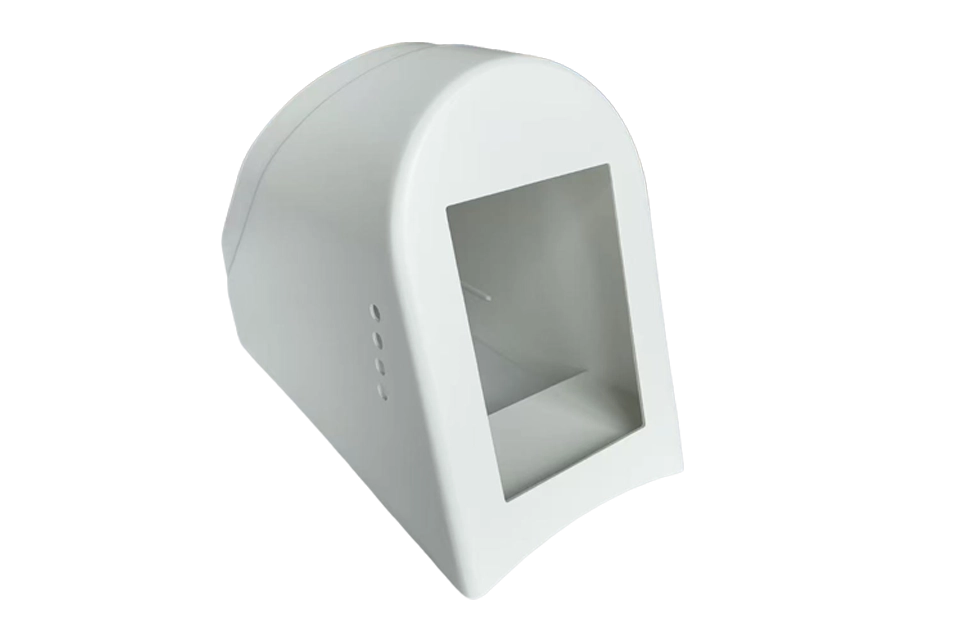
Yes. Sensor and camera positions, fields of view, mounting references, windows and openings can be included in the enclosure and CNC trimming review. The robot team must provide the required optical or sensing conditions.
+
Can you make removable panels for batteries and electronics?
Answer:
These features can be included in the enclosure design. Define the modules requiring service, removal direction, fasteners, hinges or covers and the available clearance before quotation.
+
Which process is suitable for a robot prototype?
Answer:
CNC plastic prototypes or other short-run methods may be evaluated for early validation. The right route depends on robot size, geometry, interfaces, quantity, finish and expected design changes.
+
Can one robot housing use several manufacturing processes?
Answer:
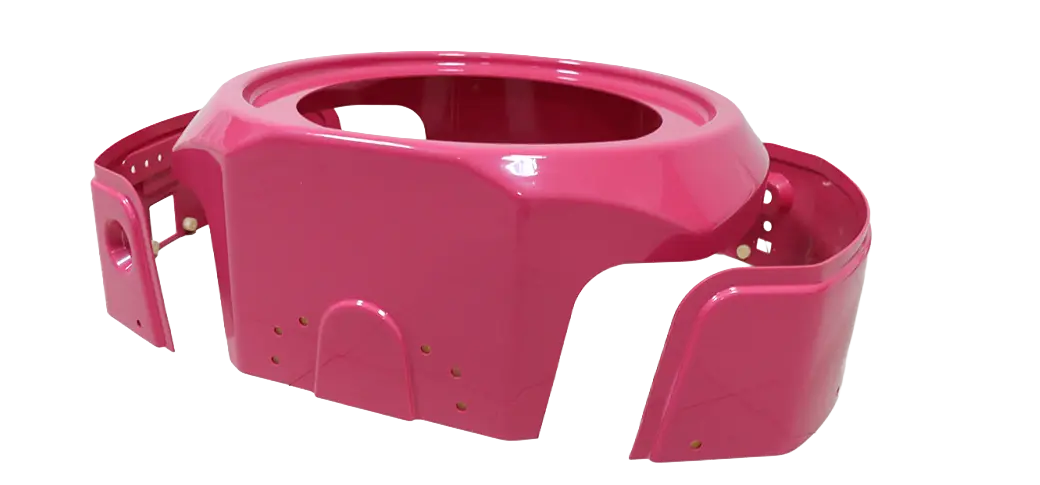
Yes. A complete housing may combine formed or molded panels, CNC-trimmed openings, internal supports, inserts, hardware, finishing and assembly.
+
Can you match the robot's exterior color and finish?
Answer:
Color, texture, gloss, printing and visible panel alignment can be evaluated against customer specifications, color references or approved samples. Acceptance criteria should be confirmed before production.
+
Can you guarantee robot motion safety or collision performance?
Answer:
No performance should be assumed from the enclosure alone. Motion safety, collision behavior, sensor function, electrical integration and complete-system risk assessment must be specified and validated by the robot manufacturer.
+
Are you responsible for the complete medical robot certification?
Answer:
No. ZRD's scope is the enclosure and agreed related manufacturing services. The robot manufacturer remains responsible for complete system validation, regulatory pathway and final product compliance.
+
What inspection documents can be provided?
Answer:
Depending on the agreed scope, available documents may include dimensional inspection records, material documentation, first-article records and final inspection records. Required documents should be listed in the quotation request.
+
What should we send for an initial robot enclosure review?
Answer:
Send the robot envelope, motion data, internal frame or module layout, sensor and actuator positions, 3D and 2D files, expected quantities, project stage, finish requirements and any service-access information.